Start your first Tulum Ruins visit smarter with timing, heat, beach, and cenote tips that could change what you do after the gate.
What grabs you first at Tulum, the cliffside ruins or the shock-blue Caribbean below? You’ll want a smart plan here, because the site gets hot, bright, and crowded fast after 10:00 AM. If you arrive at 8:00, wear light clothes, and know where to go next, the stone paths and sea breeze feel a lot more inviting. Then there’s the beach, the guides, and the cenote question waiting just beyond the gate.
Key Takeaways
- Visit between November and March, arriving at 8:00 AM or 1:00–2:00 PM to avoid the hottest, busiest 10:00 AM–1:00 PM period.
- The ruins open daily 8:00 AM–5:00 PM, with last entry at 3:30 PM; recent entrance totals are commonly reported around 515–625 pesos.
- From Tulum town, expect a 10–15 minute ride plus a 10–15 minute walk; most first visits take about two hours total.
- Wear breathable clothes, supportive walking shoes, sun protection, and a swimsuit underneath since shade is limited and no changing area is available.
- Don’t expect to climb structures; come for clifftop Caribbean views, El Castillo, Mayan trade history, and optional swimming at Playa Ruinas.

Tulum Ruins Guided Tour from Cancun and Riviera Maya
- Experience the ancient city of Tulum with our knowledgeable guides. - Enjoy our small group format and attention to detail through the Mayan’s mos...

Tulum Ruins, Cenote Cave and Swimming with Turtles From Tulum
A guided tour of the Tulum Mayan ruins, swimming with sea turtles in Akumal and a jungle oasis cenote swim in the Ri...

All-Inclusive! Tulum Ruins, Tequila Tasting + Swim in 3 Cenotes in Small Group!
At Authentic Tours Tulum we believe in giving back to our community by utilizing locations, restaurants, and employe...
When Should You Visit Tulum Ruins?

If you want the easiest first visit, plan your Tulum Ruins trip for winter, from November through March, when the weather feels more comfortable even though it’s also the busiest season. That’s the best time to go, but timing matters too. Arrive right when the ruins open at 8:00 AM, or slide in around 1:00 to 2:00 PM. Skip the 10:00 AM to 1:00 PM crunch. Smart travel tips start with a quieter day of the week, since Sundays, weekends, and holidays pull bigger crowds. You need to know the site often stays hot and humid year-round, with little shade and full sun for hours. Summer and fall can work, but June through November overlaps hurricane season, so winter remains the safest bet. For first-time visitors, this timing also makes it easier to enjoy one of the best things to do in Tulum without feeling rushed by the biggest crowds.
Tulum Ruins Tickets, Hours, and Rules
Start with the basics, because Tulum Ruins runs on a tighter schedule than many first timers expect. The site opens daily from 8:00 AM to 5:00 PM, but last access is 3:30 PM, so don’t drift in late. For tulum ruins tickets, you may pay a combined entrance fee that bundles Parque del Jaguar with CONANP INAH charges. Recent foreign totals have landed around 515 pesos after the November 2025 update, and some 2026 reports show 625 pesos.
Bring pesos for the line. You’ll usually get a cleaner deal than paying in USD, and staff may prefer local currency anyway. Staff often enforce last access strictly, so arriving early gives you more time for the archaeological zone and avoids disappointment at the gate. At Tulum ruins, climbing isn’t allowed, so keep your explorer energy for the paths, sea views, and ground level photos inside those stone walls.
How Do You Get to Tulum Ruins?
Once you’ve sorted the timing and tickets, getting to Tulum Ruins is usually the easy part. For most travelers, you’ll Travel to tulum first, often through Cancún, then hop to the archaeological zone by taxi, cab, or combi. Many first-time visitors find that Cancún airport transfers make the overall trip to Tulum simpler, especially if you’re arriving without a rental car.
From Tulum town, catch a van toward the ruins of Tulum. The ride takes about 10 to 15 minutes, then you’ll walk another 10 to 15 minutes. It usually costs around 25 MXN per person. If you want less waiting and more breeze through the window, grab a taxi for roughly 100 to 150 MXN. Staying near Tulum beach? Take a combi into town, then switch to a combi. Coming from farther away, use the ADO stop marked Tulum Zona Arqueológica and visit the Tulum ruins.
What Should You Wear at Tulum Ruins?
Because the Tulum Ruins sit out in bright coastal heat, you’ll feel happiest in loose, breathable clothes that let the breeze do its job. Choose light fabrics, supportive sandals or walking shoes, and skip flimsy flip-flops on the uneven paths. Lightweight sleeves help when the sun bounces hard across the Tulum archaeological site.
| Pick | Why |
|---|---|
| Shoes | Grip |
| Swimsuit | Beach |
If you’re visiting Tulum and want the beach, wear your swimsuit under your clothes since there’s nowhere to change once you visit the Tulum archaeological. If you plan to cool off later, many travelers pair their ruins visit with best cenotes near Tulum, so quick-drying layers are a smart choice. For smart travel to Tulum, carry a refillable bottle filled with cold water because the archaeological area offers little shade and little drinking water. You’ll thank yourself before your shirt starts arguing with your back under that salty noon sun.

Chichen Itza with exclusive Cenote Maya and Valladolid free time
Discover the impressive archaeological site of Chichén Itzá, then cool off with a swim in a beautiful cenote at ou...

Private Guided Cenotes and Underground River Exploration
Explore an underground river system and 2 cenotes at the same location. All the photos listed here you will see in p...

Tulum Instagram Photo Experience
Discover the most Instagrammable spots in Tulum carefully selected for this unique experience. Elevate your Instagr...
How Long Do Tulum Ruins Take?
You can see the Tulum Ruins in about 1 hour with a private guide, or closer to 1.5 hours if you want time to linger for ocean views and photos. If you go early and move at an easy pace, you’ll likely spend around 2 hours total once you add your walk through the site. Give yourself extra time for parking or the shuttle, and remember the near full sun can slow you down fast. If you’re planning a full day in the area, many travelers pair the ruins with beach and cenotes for a classic Tulum itinerary.
Average Visit Duration
If it’s your first visit, expect to spend about two hours total at the Tulum Archaeological Zone. That’s the average visit duration many travelers find comfortable at this archaeological site. You can wander a bit, get your bearings, then join a private guide for about an hour.
In this first timers guide, think of the Tulum ruins as compact but absorbing. You’ll likely pause at El Castillo, scan the sea, and follow the paths at an easy pace. If you prefer to explore on your own, 1.5 hours on-site often covers the key structures without a rush. Arrive near 8:00 am, when the gates open, and you’ll fit your visit neatly into the day before the heat starts showing off by late morning, mercifully quiet.
If you’re mapping out a 7 Days in Tulum plan, this timing makes it easy to pair the ruins with other Riviera Maya stops later in the day.
Extra Time To Add
That two-hour estimate works best when you build in a little buffer. At the Tulum Archaeological Zone, you might spend about an hour with a private guide, but your time to visit often stretches to 1.5 or 2 hours. You’ll want a few minutes to wander on your own, snap cliffside photos, and pause in the nearly full sun for water.
If you visit the ruins right at 8:00 am, you’ll get softer light, fewer crowds, and more room to breathe before the heat presses down. A smart rhythm is to self-walk first, hire a guide at the entrance, then keep exploring. That’s the extra time to add. If you’re linking cenote tours later, treat the ruins as your anchor and leave buffer time. Since many first-time visitors pair the site with a beach or swimming stop, it helps to plan your day around Tulum travel essentials like sun protection, water, and comfortable walking shoes.
What Will You See at Tulum Ruins?
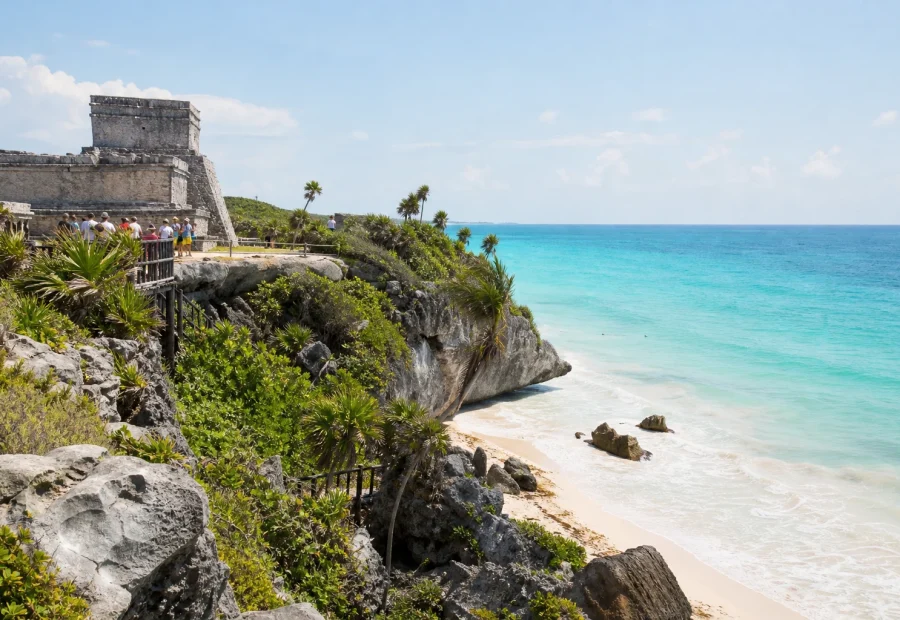
Beyond the palm-lined paths, Tulum opens with a rare mix of fortification and sea views, starting with La Muralla, the stone wall that protected the city on three sides while the Caribbean and a 16-foot drop-off guarded the fourth.
Inside these ruins, you move through an ancient Mayan site, and the Mayan city’s Casa del Halach Uinic anchors the political heart. Many travelers pair this stop with a Chichen Itza day trip from Tulum to compare two of the Yucatán’s most famous Mayan sites.
| Spot | What | Note |
|---|---|---|
| Casa del Noreste | Burials | Quiet corners |
| Casa de las columnas | Home layout | Stone columns |
| El Castillo | Main temple | Steep stairs |
You’ll also spot Casa del Cenote and the elevated Temple of the God of the Wind. Bring patience for photos there because climbing isn’t allowed anywhere, and the sea breeze can make this limestone world still feel surprisingly alive today.
Still comparing Tulum Ruins Guided Tour?
Ask for tour ideas, hotel suggestions, or a simple trip plan that combines both.
Trip Helper
Why Are the Tulum Ruins So Famous?
You first notice the setting: a walled Maya city perched above turquoise Caribbean water, with cliffs that make every photo look a little unfair. Then you realize the view wasn’t just for show, because Tulum’s high position helped protect an important Maya port and the trade moving through it. That’s why the ruins stay with you: they mix sea-breeze beauty with the sharp logic of a place built to watch, defend, and do business. On the broader Quintana Roo coast, sites like El Rey point to maritime trade and fishing networks that helped shape the region’s Maya world.
Clifftop Caribbean Setting
Perched above bright Caribbean water, the Tulum ruins grab your attention before you even start thinking about dates and dynasties. At the Tulum Archaeological Zone, you stand on a clifftop where jungle stone meets the Caribbean Sea in one clean sweep. The site feels dramatic because its three landward sides lean against rugged terrain, while the open edge faces glittering blue water. You can still spot the wall that gave Tulum its modern name, and it frames the place like a final underline. When you visit, El Castillo steals the scene with steep stairs and a breezy perch above the coastline. Add the easy trip from Playa del Carmen or Cancún, and you get ruins that look cinematic before they even start feeling historic. Historically, Tulum also stood along maritime trade routes, which helps explain why this beautiful coastal site mattered far beyond its postcard views.
Maya Port Significance
That dramatic clifftop view made Tulum famous, but the site earned its reputation as more than a pretty lookout. You can see its port significance in the walls, the sea, and the compact layout. Tulum means wall, and those stone defenses still ring three sides while the fourth drops 39 feet to the Caribbean. From 1250 to 1550, this was one of the Mayan ruins near the coast, blending trade and power. El Castillo watched the shoreline as ships approached. Inside lived nobles and priests. Outside of Tulum town, and outside the walls long ago, many more people supported the city. In any guide to Tulum, this mix of fortress, ceremony, and commerce explains why the ruins still feel sharp, salty, and alive today. Travelers often pair Tulum with a visit to the Coba Ruins for a broader look at Maya history in the region.
Should You Hire a Tulum Ruins Guide?
Although Tulum’s ruins look stunning from the first palm-lined path, hiring a guide usually makes the visit much more rewarding. If you wonder, should you hire a tulum ruins guide, yes. A private guide gives you stories for La Muralla, the Gran Señor’s palace, cenote-related buildings, and the Temple of the Wind. After your visit, many travelers pair the site with one of the best day trips from Tulum to round out the day.
| Option | Time | Value |
|---|---|---|
| Private guide | 60 min | Deep context |
| Shared Guide | 600 MXN for 2 | Save money |
| Group share | 800 MXN for 4 | Lower cost |
| Organized tours | Included | Shared tour guides |
You can roam first, ask questions on-site, then stay 1.5–2 hours total without feeling rushed at all, unlike Chichen Itza.
Tulum Ruins Guided Tour from Cancun and Riviera Maya
- Experience the ancient city of Tulum with our knowledgeable guides. - Enjoy our small group format and attention t...
Private Guided Cenotes and Underground River Exploration
Explore an underground river system and 2 cenotes at the same location. All the photos listed here you will see in p...
Tulum Instagram Photo Experience
Discover the most Instagrammable spots in Tulum carefully selected for this unique experience. Elevate your Instagr...
Can You Swim at the Tulum Ruins?
Yes, you can swim during your Tulum Ruins visit, and the small beach below the site feels like a real reward after all that sun-baked stone and sea breeze. You’ll want to know the beach access rules, go early if you can, and wear swim-ready clothes since shade is scarce and changing inside the ruins usually isn’t an option. If the beach feels too busy or you want cooler fresh water instead of salt and waves, nearby cenotes give you another excellent plan. If you want more coastal options after your visit, exploring Tulum’s top beaches can help you find even more sun, sand, and serenity nearby.
Beach Access Rules
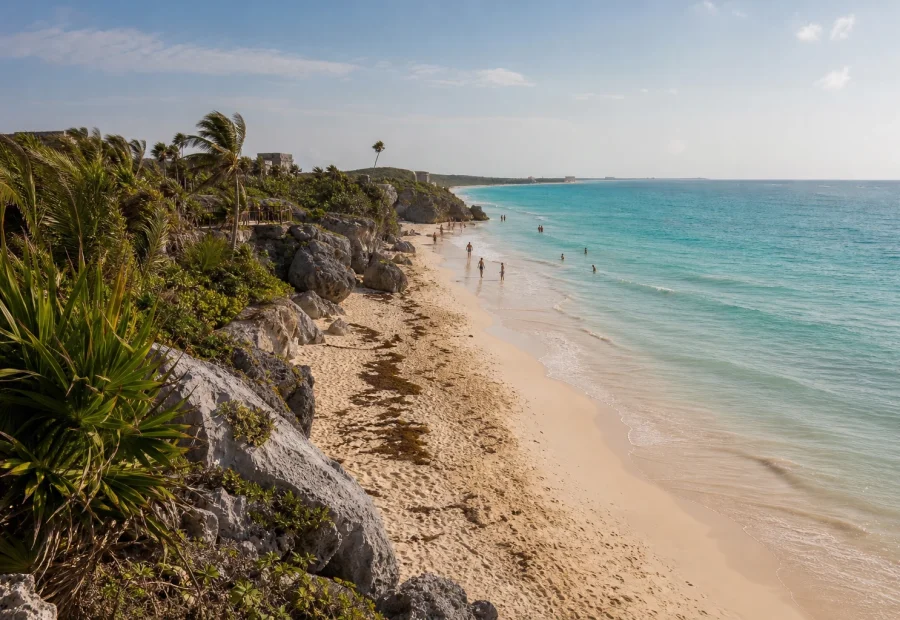
If you’re hoping for a post-ruins dip, you can swim at the Caribbean beach inside the Tulum Archaeological Zone, and after the November 2025 update, access there is described as free once you’re at the site. Keep in mind, your Tulum Beach stop fits the ruins’ 8:00 am to 5:00 pm schedule, with last entry at 3:30 pm. The beach sits right below the temples, so you’ll move from walking around stone paths to sand fast. Many visitors know this cove as Playa Ruinas, a scenic stretch tucked beneath the cliffside ruins. There aren’t changing rooms inside, so make sure you wear your swimsuit before you enter and expect little shade. It gets busier later, especially compared with private beach clubs elsewhere on the coast. Also, you can’t use nearby Playita Tortuga right now because turtles nest there for protection.
Swimming Conditions
Once you’ve sorted out beach access, the next question is simple: can you actually swim at the Tulum Ruins? Yes, you can. The ruins sit above a small Caribbean cove, and you can step into the turquoise waters right beside the site. Wear your swimsuit under your clothes because there’s no useful changing area inside. Bring water bottles, then aim to arrive near the 8:00 a.m. opening for more space and calmer water. Check signs before you enter, since some shoreline spots close to protect nesting turtles. If you want more than a quick dip when you visit Tulum, look around the parking lot for combo tickets that add boat snorkeling. You can also pair your beach time with a visit to Cenote Calavera, a hidden oasis near Tulum known for its mystical swimming setting. As always, travel insurance is a smart backup for any coastal outing there.
Nearby Cenote Alternatives
Although the cove below the ruins looks tempting, many first timers save their real swim for a cenote. You can splash in designated water areas near the archaeological zone, but they fill fast by midday and don’t offer easy places to rinse off or change. If you want a proper cool down, head to nearby cenotes right after your ruins visit. Many sit close to town and add ladders, showers, lockers, and clear water that feels like silk after a hot stone walkway. Dos Ojos Cenote is one of the best-known options near Tulum for travelers who want a more memorable post-ruins swim. If you stay in Tulum, you can go independently or book a tour that pairs ruins with snorkeling. I highly recommend checking each cenote’s rules first, including swim limits, camera fees, and costs in pesos per person. Your swimsuit will thank you.
Which Cenote Should You Visit After Tulum Ruins?
Where should you head after the Tulum Ruins bake you in the midday sun? Your best move is a cenote fast, because the heat at Tulum Ruins sticks to you. If you want the easiest cool-down, Carwash Cenote near town gives you everything you need for a quick, revitalizing stop in the Riviera Maya. Despite the name, Carwash Cenote is a well-known freshwater swimming spot near Tulum, not an actual car wash.
| Spot | Why go |
|---|---|
| Carwash Cenote | Closest, easy, shady swim |
| Escondido or Cristal | Better snorkeling, worth a short drive |
First-timers often pair Escondido and Cristal since they’re across the highway from each other. If you want a different mood, try Dos Ojos for cave floating and scratch-snorkeling. Prefer music, drinks, and a lounger after the ruins? Vesica Cenote Club turns the post-walk sweat into a civilized afternoon. Your shirt dries eventually.
What Other Ruins Are Near Tulum Ruins?
If Tulum’s sea-cliff temples leave you wanting more, you’ve got several strong ruin trips within easy reach. Muyil sits about 30 minutes away, so you can pair it with Tulum or give it a quiet morning of its own. You can also combine Muyil with the Sian Ka’an Reserve for a nature-focused day beyond the ruins. Cobá is about 50 minutes out and feels bigger, greener, and more adventurous, with jungle paths and the famous Nohoch Mul pyramid. If you’d rather skip bigger crowds, Ek B’alam lies around two hours away and rewards you with striking details on El Torre. For the classic headline stop, Chichén Itzá is roughly 2.5 hours from Tulum, which means an early start helps beat heat and tour buses. Tulum itself is smaller than these sites, but its Caribbean cliffside setting is hard to top anywhere.
Frequently Asked Questions
Are the Tulum Ruins Wheelchair or Stroller Accessible?
Not really—you’ll face uneven crowd walking paths, limited accessibility ramps, and minimal shade availability. You should arrive early for entrance timing, contact staff, and consider guided tour options if you’re using a wheelchair or stroller.
Can You Bring a Drone or Professional Camera Equipment?
Look before you leap: you can bring professional camera gear, but you can’t count on drones; photography rules may restrict them. Visit the Best time for lighting conditions, ask guided tours, and follow safety tips.
Are There Restrooms, Lockers, or Bag Storage On-Site?
No, you shouldn’t expect restrooms, lockers, or bag storage on-site; keep your belongings with you. Check entry fees and local rules, ask guided tours, use nearby parking, and arrive at the best time for visiting.
Can You Visit Tulum Ruins With Young Children?
Yes, like a family with a toddler, you’ll visit early; use Family safety tips, choose best visiting times, pack shade and water, consider guided tour options, and follow child friendly rules on uneven paths carefully.
Are Food and Drinks Available Inside the Archaeological Site?
Yes, but you’ll find limited food and drinks inside; rely on agua yucatan, snack opciones, and occasional vendedores locales. Check horarios cafe near the entrance, and follow this hidratacion consejo: bring water and snacks early.
Conclusion
If you time it right, Tulum Ruins feels less like a checklist and more like a vivid morning by the sea. You’ll walk past limestone walls, hear waves below the cliffs, then cool off on the beach or head to a cenote after. Wear light clothes, bring sunscreen, and give yourself two easy hours. As the saying goes, the early bird catches the worm, and here it also catches softer light and shorter lines too.
Tulum Ruins Guided Tour from Cancun and Riviera Maya
- Experience the ancient city of Tulum with our knowledgeable guides. - Enjoy our small group format and attention to detail through the Mayan’s mos...
Tulum Ruins, Cenote Cave and Swimming with Turtles From Tulum
A guided tour of the Tulum Mayan ruins, swimming with sea turtles in Akumal and a jungle oasis cenote swim in the Ri...
All-Inclusive! Tulum Ruins, Tequila Tasting + Swim in 3 Cenotes in Small Group!
At Authentic Tours Tulum we believe in giving back to our community by utilizing locations, restaurants, and employe...