Start before the heat
Ruins, open cenotes, and exposed paths are more comfortable early. Save shaded meals, swims, and slower town time for later.
Tourism Tulum guide
Build a Tulum plan around the coast, cenotes, Maya history, nature, and enough open time to enjoy where you are.
Read latest guides
Ruins, open cenotes, and exposed paths are more comfortable early. Save shaded meals, swims, and slower town time for later.
Tulum is spread out. Pair places that sit along the same road instead of crossing between town, the beach, and inland sites repeatedly.
Weather, traffic, and a swim you want to extend can change the day. A flexible afternoon usually feels better than a packed checklist.
Plan with confidence
The best things to do in Tulum are not all in one compact center. The archaeological zone sits by the sea, the hotel zone stretches along the beach road, downtown has the easiest everyday food and services, and many cenotes and nature experiences require a trip inland or south. A satisfying plan connects two or three places that make geographic sense together.
Use this page as a starting point rather than a scorecard. Choose one major outing, add one swim or meal nearby, and keep enough time for the details that make Tulum memorable: limestone paths, Caribbean light, a quiet taco stop, or a long pause beside clear water.
The cliffside ruins are the clearest introduction to the destination because they bring Maya history and the Caribbean coast into one view. Go early, bring water and sun protection, and give the site time instead of treating it as a quick photo stop. A beach visit afterward works well when access and sea conditions allow.
Cenotes reveal a completely different landscape. Open cenotes feel bright and social, while cave and semi-open systems can be cooler and more atmospheric. Pick one that suits your confidence in the water, check the rules before entering, and use only reef-safe products when permitted.
Sian Ka'an and the Muyil area reward travelers who enjoy a slower pace. Mangroves, lagoons, birdlife, and Maya sites make more sense with a guide who explains the ecosystem and keeps a respectful distance from wildlife. Small-group outings generally make it easier to hear, observe, and move lightly.
Downtown Tulum adds everyday context. Walk a few blocks away from the highway, try a local breakfast or evening taqueria, browse small shops, and notice how different town feels from the hotel zone. It is also the practical place for cash machines, pharmacies, groceries, and transport questions.
Not every hour needs an attraction. A beach morning, a long lunch, and an evening walk can be a complete Tulum day. If you want a more active plan, combine a bike ride with a nearby beach or add a cenote stop to a ruins route. Avoid stacking distant destinations just because each one looks close on a map.
For tours, compare the actual inclusions, pickup area, group size, cancellation terms, and time spent at each stop. A well-paced experience that reaches fewer places can offer more value than an itinerary built around transfers and rushed photos.
Keep exploring
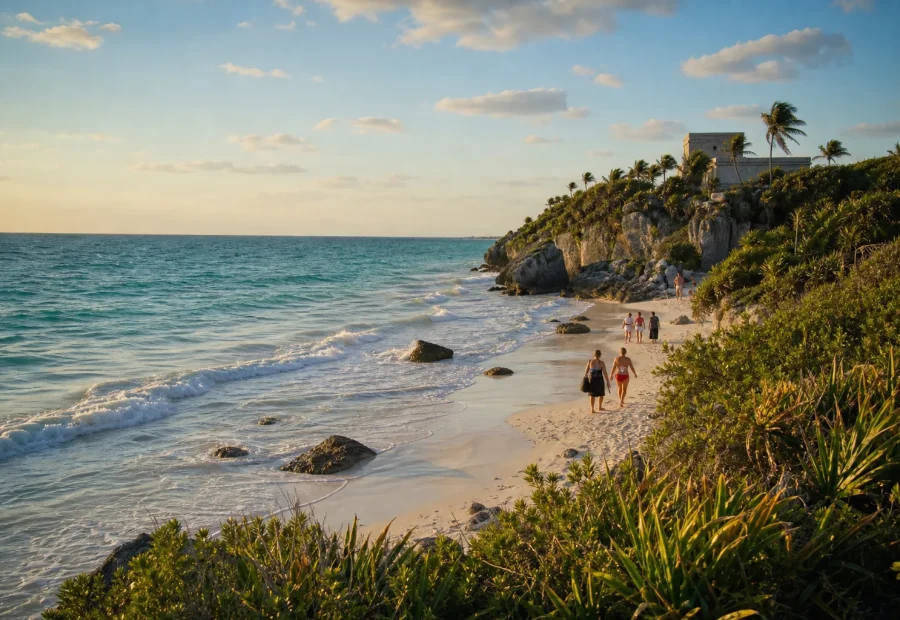
Plan a Tulum sunset outing around public beach access, Parque Nacional Tulum closing rules, changing entry arrangements, and the important distinction between free beach access and paid attractions.

Plan a visit to AZULIK Tulum with practical guidance on public access, restaurant reservations, sunset timing, dress expectations, transport, costs, accessibility, safety, and nearby attractions.
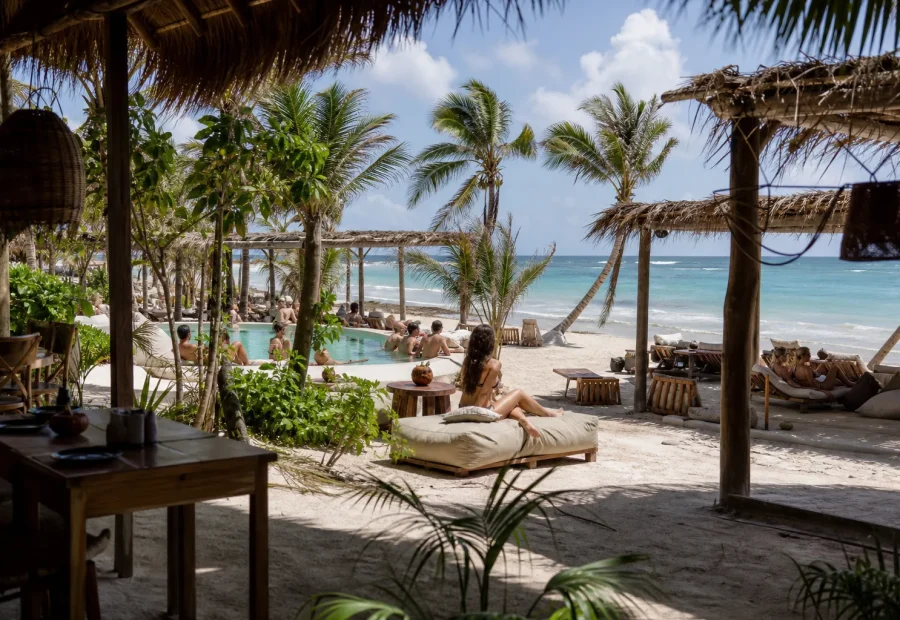
Compare Tulum day clubs by atmosphere, booking terms, amenities, age policies, dress expectations, and sargassum conditions. This practical guide covers Taboo, Vagalume, Bagatelle, costs, reservations, and what to confirm before visiting.