
Yal-Ku Lagoon Day Trip From Tulum
Plan a Yal-Ku Lagoon day trip from Tulum with practical advice on transportation, snorkeling, admission, facilities, family suitability, packing, accessibility, and current conditions.
Tulum guide archive
Explore lagoons, mangroves, reef, forest, and wildlife with operators who put the reserve ahead of the photograph.
These guides explore Sian Ka'an, Muyil, lagoons, wildlife, and lower-impact ways to experience nature near Tulum. Use the main hub to understand the reserve's different routes before comparing individual trips.
Because weather and conservation conditions matter, confirm the current route with your operator. The latest detailed guides are collected below.
Plan a Yal-Ku Lagoon day trip from Tulum with practical advice on transportation, snorkeling, admission, facilities, family suitability, packing, accessibility, and current conditions.
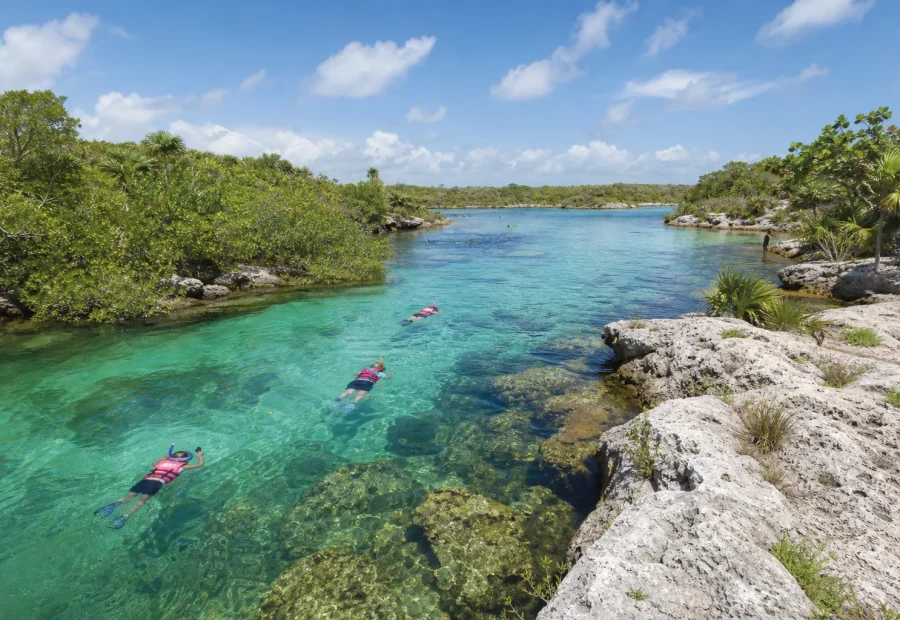
Plan a Yal-Ku Lagoon day trip from Tulum with practical advice on transportation, snorkeling, admission, facilities, family suitability, packing, accessibility, and current conditions.

Plan a Sian Ka’an boat tour from Tulum by comparing the easier Muyil route with the longer Punta Allen approach. This guide covers transport, fees, tour inclusions, reserve rules, accessibility questions, and what to confirm before booking.

Our Jaguar National Park Tulum guide reveals the gate tricks, beach rules, and one decision at entry that can make or break your day.
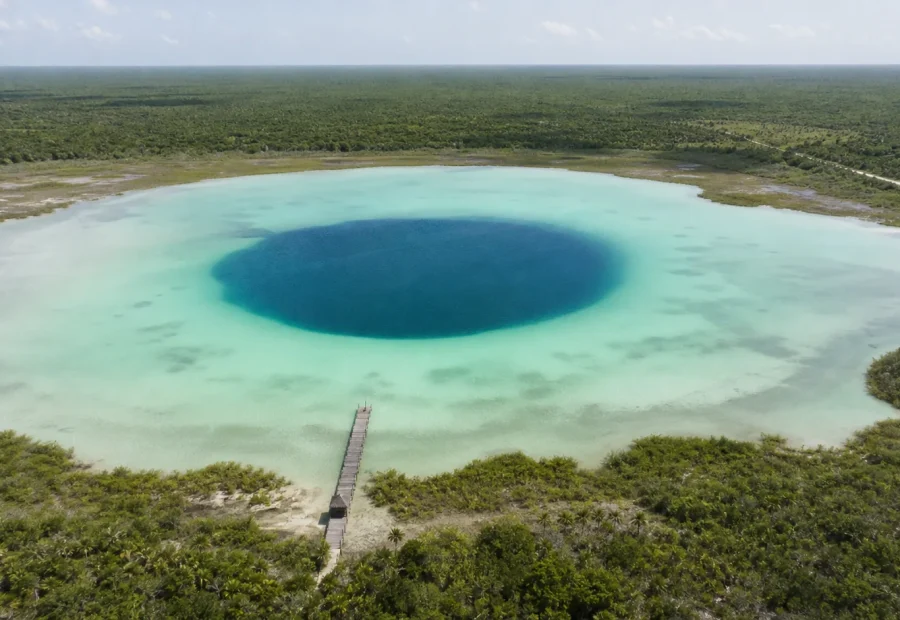
Plan a Kaan Luum Lagoon trip from Tulum with practical guidance on transport, timing, swimming, safety, facilities, and nearby stops.

Plan a Muyil ruins and Sian Kaan day trip with practical advice on transport, tickets, lagoon boats, canal floating, and timing.

On Tulum’s doorstep, Sian Kaan splits into two wildly different adventures—discover which route saves time, money, and the best wildlife.
Practical planning
Muyil lagoon routes and coastal Punta Allen routes offer different landscapes, travel times, and types of boat experience.
Wildlife is never guaranteed. A responsible guide observes natural behavior without chasing or crowding animals.
Sun, wind, insects, spray, and bumpy roads can all be part of the day. Bring compact protection and secure your belongings.
The Muyil side combines a compact archaeological site with forest paths and lagoon travel. It is generally the easier choice for a shorter nature day and offers a strong connection between Maya history and the wetland landscape. Exact activities depend on current conditions and operator permissions.
The Punta Allen route reaches the coastal portion of the reserve and can involve a long, rough road before a boat trip. It suits travelers who accept more transit for a broader marine setting. Read the itinerary carefully so you understand where the day is spent.
Look for small groups, clear safety instructions, licensed local guides, and language about observation rather than guaranteed encounters. Boats should keep respectful distances and avoid surrounding animals. Guides should explain why rules matter instead of treating them as obstacles.
Ask what happens when weather changes or wildlife is not visible. A trustworthy operator has a worthwhile nature program even without a checklist of animals and communicates cancellations or route adjustments clearly.