Get the perfect One Day in Tulum Itinerary—ruins at dawn, cenotes by noon, sunset by sea—but one timing mistake could change everything.
Sea light hits the stone walls at Tulum Ruins while palms flick in the breeze and waves thump below the cliffs. If you’ve got just one day here, you can still link the big three: ruins at opening, a cool cenote swim, and a slow beach sunset. The trick is timing, transport, and knowing what to skip before the road, and your patience, start to heat up.
Key Takeaways
- Start at the Tulum Ruins at 8:00 a.m. and spend 60 to 90 minutes seeing El Castillo and the Temple of the Frescoes.
- Buy ruins tickets online or bring small-bill pesos, since entry includes separate INAH and CONAP fees and parking may cost extra.
- Drive about 12 minutes to Gran Cenote and allow 45 minutes to two hours for swimming, snorkeling, or relaxing.
- Spend the afternoon on the Beach Strip at Playa Las Palmas, Playa Paraiso, or Playa Ruinas, with Las Palmas best for fewer crowds.
- End after dark at Casa Jaguar, Gitano, or Papaya Playa Project, and use a car or private driver to keep the day efficient.

Tulum Ruins, Cenote Cave and Swimming with Turtles From Tulum
A guided tour of the Tulum Mayan ruins, swimming with sea turtles in Akumal and a jungle oasis cenote swim in the Riviera Maya plus round-trip transpo...

Tulum Ruins Guided Tour from Cancun and Riviera Maya
- Experience the ancient city of Tulum with our knowledgeable guides. - Enjoy our small group format and attention to detail through the Mayan’s mos...
Follow This One Day in Tulum Plan

If you’ve only got one day in Tulum, start early and let the town’s best hits unfold in a simple loop. Begin at the Tulum Ruins when gates open around 8:00 a.m. You’ll beat crowds and get 60 to 90 minutes for El Castillo, the Temple of the Frescoes, and those sea views. Buy your Tulum Ruins tickets online in advance to speed up entry and make the most of your morning. Then drive 12 minutes, or bike about 20, to Gran Cenote for a swim or snorkel. Bring aquashoes because the rocks can feel slick and awkward. Later, stroll the Beach Strip and settle at Playa las Palmas for calmer water. Public sand offers almost no shade, so rent a chair and umbrella if you want a break. End One Day in Tulum at Casa Jaguar, Gitano, or Papaya Playa Project after dark.
Decide if Tulum Fits a Day Trip
Tulum can work as a day trip, but it rewards an early alarm and a little strategy. If you arrive when the ruins open at 8:00 a.m., you give yourself room for the rest of the day and dodge some heat. Need to Know: Tulum feels spread out. The beach zone and Centro can sit 20 to 45 minutes apart by car or bike, so loose plans waste time fast.
You should also think about season before you commit. November through April usually brings better weather and less seaweed. As first-time visitors, it helps to map your route in advance so you do not lose time bouncing between the ruins, Centro, and the beach zone. April through October can mean sargassum, sticky humidity, and hurricane risk. Pack sunscreen and bug spray. Even a quick day trip from Tulum feels warm, bright, and buggy by midmorning. The air hits like wet velvet.
Choose a Ruins-Cenote-Beach Route
You’ll get the smoothest one-day route by starting at the Tulum Ruins when the gates open around 8 a.m., before the stone walls heat up and the sea views fill with crowds. From there, you can drive about 12 minutes to Gran Cenote for clear water and easy snorkeling, or switch to Cenote Calavera if you’d rather pop through its three round openings like a curious dare. Gran Cenote is one of the best cenotes near Tulum for travelers who want an easy stop with good visibility and convenient access. End on the Tulum Beach Strip at Las Palmas, Playa Paraiso, or Playa Ruinas, and if you want shade for your final stretch, you’ll likely need to rent a chair and umbrella at a beach club.
Start With Tulum Ruins
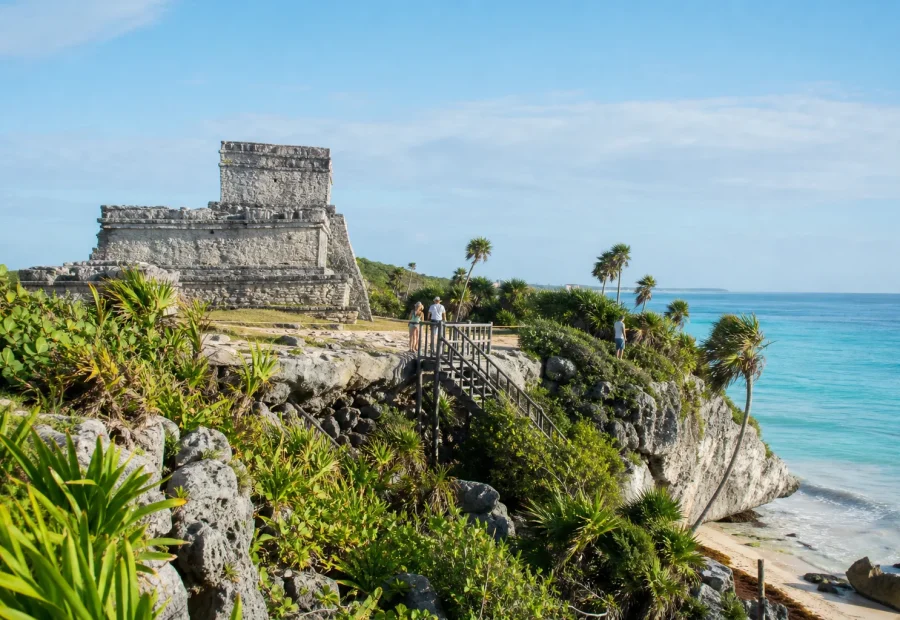
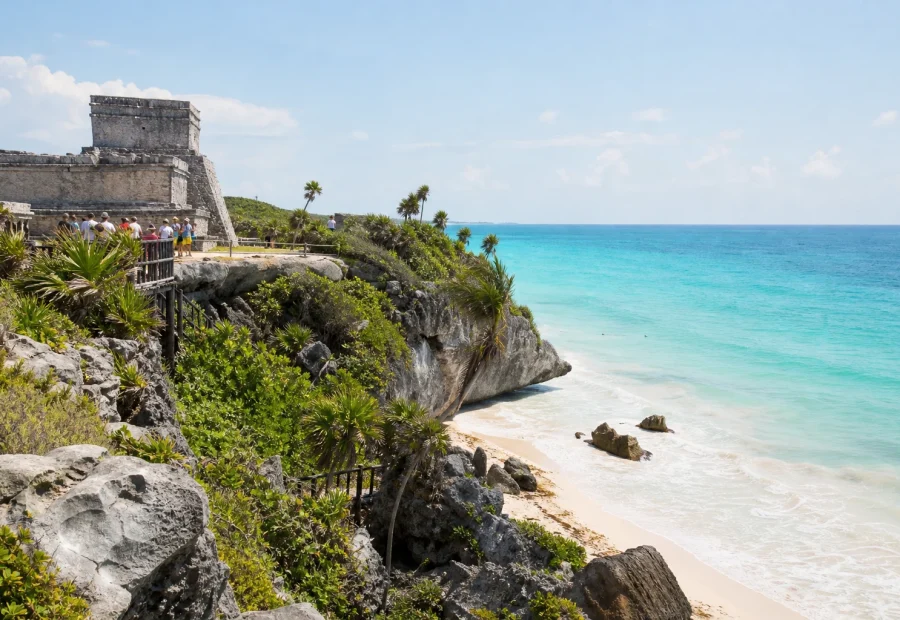
Because the coast heats up fast, start at the Tulum Archaeological Site when the gates open around 8:00 a.m. You’ll get cooler air, softer light, and a quieter first look at Tulum before tour groups roll in. The ancient Mayan ruins feel especially dramatic then, with stone walls glowing above the sea and iguanas already claiming the paths like tiny local guides.
Buy your entry with cash if needed, about 95 pesos for INAH plus 60 pesos for the CONAP bracelet. That bracelet helps later if you want nearby beach access at Playa Santa Fe, Playa Pescadores, Playa Paraiso, or Playa Las Palmas. Public sand has little shade, so an early ruins visit gives you a smart head start before the sun gets bossy. For first-time visitors, this ruins-cenote-beach route makes the most of the day by pairing Tulum’s headline sights in a logical order.

Tulum Instagram Photo Experience
Discover the most Instagrammable spots in Tulum carefully selected for this unique experience. Elevate your Instagr...
Tulum Ruins, Cenote Cave and Swimming with Turtles From Tulum
A guided tour of the Tulum Mayan ruins, swimming with sea turtles in Akumal and a jungle oasis cenote swim in the Ri...
Tulum Ruins Guided Tour from Cancun and Riviera Maya
- Experience the ancient city of Tulum with our knowledgeable guides. - Enjoy our small group format and attention t...
Cool Off In Cenotes
Once the stone walls start to glow with midday heat, swap the ruins for a cenote and give yourself a cool reset before the beach. Gran Cenote is the easy classic, close to the site and known for clear water, wooden platforms, and simple entry if you want to snorkel or even try scuba diving. You can linger 45 minutes or stay closer to two hours, depending on how long you float and explore.
If you want something moodier, head to Cenote Calavera, where the rocky bottom and slick edges make aquashoes a smart idea. Keep a little cash ready too. Many cenotes charge extra for cameras, and drones where allowed, at entry, so your turtle photos may come with a small plot twist. If you are willing to go a bit farther, Dos Ojos Cenote near Tulum is famous for its magical underwater scenery and is a favorite for snorkeling and diving.
End At The Beach
After the cool blue hush of the cenote, head for the beach strip and let the day finish where the sand turns bright white and the Caribbean flashes turquoise. You’ve done the smart part: ruins at 8:00, then Gran Cenote about 12 minutes away by car or 20 by bike. Give yourself 45 minutes or two hours in the water, aquashoes on, then choose your ending. For fewer crowds, try Playa Las Palmas. If you want to visit Tulum with a more scene, pick a beach club. Playa Paraiso stays lovely too. Just remember North Playa beaches offer little shade unless you rent a chair and umbrella. Tulum is known for top beaches that balance sun, sand, and serenity depending on the vibe you want. Walk or drive in, shake off the salt, and watch sunset pull gold across the waves. Not a bad finale.
Leave Cancun Before Sunrise
If you leave Cancun before sunrise, you’ll glide down Highway 307 before traffic thickens and reach Tulum’s ruins right as the gates open at 8:00 a.m. You’ll get softer light, cooler air, and that rare first look at the sea cliffs before the big tour buses roll in. The Tulum Ruins are especially enjoyable first thing in the morning, when the site feels calmer and easier to explore. It’s an early start, sure, but you’ll thank yourself later when you’re heading to a cenote instead of sweating through a parking lot.
Beat Highway Traffic
Because Highway 307 clogs up fast, the smartest move is to leave Cancun before sunrise and head south while the road still feels half-asleep. You’ve got about an hour and forty-five minutes on the road, so a pre-dawn start usually lands you near the ruins gate at eight a.m. For travelers continuing beyond the ruins, it helps to review Hotel Zone transportation options from Tulum Airport before you lock in the rest of your day.
That timing is your best buffer against slowdowns, checkpoints, and sticky heat that sneaks up early. Since Tulum sits roughly two hours south, leaving sooner gives you room for surprises without rattling your plan. It also sets up ruins then cenote day before late morning fills lots and trailheads. Pack water where you can grab it fast, keep sunscreen handy, and let the pale sky brighten through the windshield while the jungle wakes beside you.
Still comparing Tulum Ruins And Cenote Day Tour?
Ask for tour ideas, hotel suggestions, or a simple trip plan that combines both.
Trip Helper
Arrive Before Crowds
Set your alarm while the sky is still black and roll out of Cancún before sunrise, with Highway 307 still calm and the jungle just starting to stir. The 1-hour-45-minute drive puts you at Tulum when the ruins open at 8:00 a.m., so you arrive before crowds instead of shuffling in behind tour buses from Playa del Carmen. This early start works especially well within a wider 7 Days in Tulum plan because it frees up the rest of the day for more Riviera Maya highlights.
| Plan | Why |
|---|---|
| Leave early | Save daylight |
| Pack sunscreen | Swat bugs |
| Skip delays | See waves |
You’ll park, feel the warm humid air hit fast, and be glad you didn’t waste the morning in line. Most people spend 1 to 1.5 hours at Tulum Ruins, so this head start protects time for your next stop. You trade miles for quiet paths and the first views over the sea.
Cooler Morning Departure
While Cancún is still rubbing sleep from its eyes, you should be rolling onto Highway 307 with coffee in hand and the air still cool enough to enjoy. This cooler morning departure gives your trip to Tulum a smart start. The drive takes about 1 hour 45 minutes, so leaving before sunrise gets you to the ruins near the 8:00 a.m. opening. If you are considering the Maya Train, check current morning schedules in advance since service timing can shape how early you arrive in Tulum. You can explore El Castillo and the Temple of the Frescoes in softer light before the stones start radiating heat like a toaster. Early arrival also helps you beat the peninsula’s crowds. Plan on 1 to 1.5 hours at the site, then save cenotes or the beach for later. Keep sunscreen and bug spray handy. Tulum’s humidity doesn’t wait politely all morning.
Pick a Car or Private Driver

How do you make one day in Tulum feel easy instead of rushed? Pick a rental car or a private driver. Tulum’s headline stops, from the ruins to cenotes to beach clubs, often sit 20 to 45 minutes apart, and the town isn’t very walkable. If you start near the ruins, Gran Cenote is only about 12 minutes by road, but the walk can stretch to around 90 hot, humid minutes. A rental car gives you control over timing, route changes, and spontaneous detours. A private driver keeps things smoother when roads feel bumpy, traffic gets confusing, or the heat starts pressing down. If you’re arriving from farther north, compare transfer costs with rental rates before you decide. For travelers planning Tulum to Cancun connections, this same choice can make the trip feel far more seamless. Your future self will thank you.
Bring Pesos for Tulum Fees
Bring more pesos than you think you’ll need, because Tulum’s little on-site fees add up fast. At the ruins, the basic entrance fee usually means 95 pesos for the INAH ticket, 60 pesos for the CONAP bracelet, and around 100 pesos for parking. Card payment sometimes works for the bracelet, but don’t count on it. Bring cash pesos in small bills so you’re not stuck hunting for change while iguanas lounge nearby.
If you carry a camera that isn’t your phone, expect another 30 pesos or so. The nice twist is that the CONAP bracelet can also open nearby beaches like Playa Paraiso and Playa Pescadores that same day. Walk from the ruins to the sand, and you may dodge extra fees later too. For first-time visitors, having extra cash also helps cover small transport and convenience costs that pop up during a one-day trip around Tulum.
Tulum Instagram Photo Experience
Discover the most Instagrammable spots in Tulum carefully selected for this unique experience. Elevate your Instagr...
Tulum Ruins, Cenote Cave and Swimming with Turtles From Tulum
A guided tour of the Tulum Mayan ruins, swimming with sea turtles in Akumal and a jungle oasis cenote swim in the Ri...
Tulum Ruins Guided Tour from Cancun and Riviera Maya
- Experience the ancient city of Tulum with our knowledgeable guides. - Enjoy our small group format and attention t...
Pack Light for One Day in Tulum
For a one-day lap around Tulum, pack like you’re moving between a stone ruin, a steamy jungle trail, and a breezy beach, because you are. Pack light so you stay quick on humid paths and sandy stops.
- Quick-dry clothes
- reef-safe swimwear
- Sunscreen, bug spray, hat
- Aqua shoes for slick cenote rock
- Small dry bag, phone only
Simple layers help when morning air feels sticky, then sea wind cools your shoulders. Keep electronics minimal. Some sites charge extra for non-phone cameras, and cenotes may add camera or drone fees. A compact bag saves time during short swims and transfers. Stick to essential packing tips that keep beach gear practical and easy to carry. You’ll move easier, dry faster, and dodge that soggy-backpack feeling. Bring only what you’ll actually use, because every extra item feels heavier by noon inland too.
Start at the Tulum Ruins
You’ll want to reach the Tulum Archaeological Site right as the gates open around 8:00 a.m., when the air still feels cool and you can give the cliffside ruins a calm hour to hour and a half before the crowds roll in. Bring cash for the INAH ticket and the CONAP bracelet fee, and check camera rules at the entrance near the little bazaar so no surprise charges crash your morning. Once you’re through, you can head for El Castillo’s bright Caribbean view and the Temple of the Frescoes, where the old murals still hold your eye. If you want to keep the archaeology theme going after lunch, you can plan a Chichen Itza day trip from Tulum for another memorable experience.
Early Arrival Strategy
If you can, arrive in Tulum the night before and be at the Tulum Archaeological Site when the gates open around 8:00 a.m., because that first window gives you cooler air, softer light, and far fewer people on the paths. That early arrival lets you visit the ruins before the heat turns shirt-sticking.
- Give yourself 1 to 1.5 hours
- Head first to El Castillo
- Then see the Temple of the Frescoes
- Keep cash and a card ready for fees
- Leave early for Gran Cenote and more exploring
You’ll move faster, get cleaner photos, and still have energy for your next stop instead of wilting in the humidity by midmorning. By then, the paths buzz, the shade thins, and the stone starts radiating heat upward. If you want to add more archaeology to your day, consider planning a future side trip from Tulum to the Coba Ruins.
Ruins Entry Options
How you enter Tulum shapes the rest of your day. At the Tulum Archaeological Site, you can keep things simple with a self-guided visit, book a guide for deeper context, or choose a guided option with a snorkeling add-on. Entry is timed at the gates, so your slot matters.
Plan for the usual costs: 95 pesos for the INAH ticket in cash, the CONAP bracelet fee at 60 pesos with card accepted, and 100 pesos cash for parking. If you bring a camera, not just your phone, expect about 30 pesos more. The bracelet is the winner here. It also opens Playa Santa Fe, Playa Pescadores, Playa Paraiso, and Playa Las Palmas, so you can walk straight to the sand and skip extra beach fees. If you are heading into town afterward, Aldea Zama is one of Tulum’s best-known neighborhoods to keep on your radar.
Arrive Before the Tour Buses
At 8:00 a.m., Tulum feels briefly calm, with softer light on the stone walls and less of the tour-bus shuffle at your heels. If you arrive before the tour buses, your day opens up in the best way.
- Cooler air makes the walk easier.
- Quiet paths let you notice iguanas, wind, and waves below.
- A 1 to 1.5 hour visit still leaves room for cenotes later.
- If you’re driving, parking delays won’t hijack your morning.
- In high season, this simple plan matters most.
You’ll sidestep the hottest hours and keep a buffer for little logistics that can nibble at your schedule. That extra margin feels especially useful from December through April, when everyone else has the same bright idea and moves a bit slower. If you’re fitting this into a layover, a Tulum Airport layover works best when you keep your timing tight and start early.
Know Tulum Ruins Fees and Entry
Before you step onto those cliffside paths, you’ll want the fee puzzle sorted: expect about 95 pesos for the INAH ticket in cash, 60 pesos for the CONAP bracelet, and around 100 pesos for parking, usually in cash. You buy the ticket and bracelet separately at the entrance area, and that little CONAP band matters because it also gets you onto nearby beaches like Playa Paraíso after you’ve spent an hour or two among the stone walls and sea breeze. Check the day’s entry hours, bring small bills, and remember that extras like a non-phone camera can add about 30 pesos, because Tulum likes its rules almost as much as its view. If you’re planning more coastal stops, Puerto Morelos reef charges $125 MXN per person per day and is open daily from 06:00 to 21:00 hrs.
Current Admission Fees
The fee setup at the Tulum ruins is simple once you see the pieces. At the Tulum Archaeological Site, you’ll usually pay two entry charges, then maybe one more if you bring a camera that isn’t your phone. If you drive, parking adds another small bite.
- INAH ticket: about 95 pesos, usually cash.
- CONAP fee: about 60 pesos, often with a bracelet.
- Parking: about 100 pesos if you arrive by car.
- Non-phone camera: expect an additional cost of about 30 pesos.
- Bracelet perk: you can access Playa Santa Fe, Playa Pescadores, Playa Paraiso, and Playa Las Palmas, so walk there and skip extra beach or parking fees when you can. That little bracelet feels like a beach pass with sunshine stitched into the plastic.
If you’re planning day trips from Tulum, knowing these fees helps you budget your morning at the ruins before heading out to explore more of the coast or nearby inland sights.
Where To Buy Tickets
Near the ruins entrance, you’ll buy your entry in two parts, and that split can feel odd the first time you see it. First, pay for the INAH ticket in cash, 95 pesos. Then grab the separate CONAP bracelet for 60 pesos, where cards are allowed. If you drive, parking is another 100 pesos cash, so many travelers skip that headache, walk onward to Playa Santa Fe, Playa Pescadores, Playa Paraiso, or Playa Las Palmas, and use the bracelet as a handy beach pass. Bring a little extra if you carry a non-phone camera, since that usually adds about 30 pesos. Want to keep costs simpler? Skip the car and take an ADO bus, then stroll in with your pesos ready for the booths. If you’re exploring more of the region afterward, El Rey in Cancún’s Hotel Zone is another important archaeological site with daily hours from 8:00 to 17:00.
Tulum Instagram Photo Experience
Discover the most Instagrammable spots in Tulum carefully selected for this unique experience. Elevate your Instagr...
Tulum Ruins, Cenote Cave and Swimming with Turtles From Tulum
A guided tour of the Tulum Mayan ruins, swimming with sea turtles in Akumal and a jungle oasis cenote swim in the Ri...
Tulum Ruins Guided Tour from Cancun and Riviera Maya
- Experience the ancient city of Tulum with our knowledgeable guides. - Enjoy our small group format and attention t...
Entry Hours And Policies
Since the gates open at 8:00 a.m., you’ll have a much better shot at cool shade, lighter crowds, and that first bright view of El Castillo above the sea. Give yourself 1 to 2 hours at the Tulum Archaeological Site.
- INAH ticket: 95 pesos, cash only.
- CONAP fee: 60 pesos, card allowed, includes your CONAP bracelet.
- Parking costs 100 pesos in cash if you drive.
- A non-phone camera usually adds 30 pesos.
- Toilets are on-site, and the bracelet opens Playa Santa Fe, Pescadores, Paraiso, and Las Palmas for the day.
Plan your route from the ruins, linger at the Temple of the Frescoes, then trade stone paths for sand. It’s one of those rare tickets that feels practical and a little bit magical too.
See El Castillo First
When the gates open at 8:00 a.m., head straight for El Castillo while the air still feels cool enough to enjoy the walk and the crowds haven’t filled in. This is the view at the Tulum ruins, perched high above the Caribbean like the Mayans knew exactly where to build for drama. You’ll get the best photos and the coastal panorama before heat and humidity start bossing everyone around. Aim to spend the first part of your 1 to 1.5 hours here, then keep moving so your morning stays efficient. Since ticket setups can vary, bring cash for fees near the entrance and get that sorted quickly. Then follow the paths, listen to the surf below, and let El Castillo make the first impression.
Visit the Temple of the Frescoes
After El Castillo grabs your attention with the big coastal view, make your next stop the Temple of the Frescoes, one of Tulum’s standout structures for a completely different reason. Here, the drama sits in the walls. Inside the INAH grounds, this small temple rewards patience more than speed. You’re here for artwork, not height, and the surviving color still feels intimate. Even if the sun’s climbing, the quiet details pull you in better than another panoramic photo for a moment.
- Arrive early for cooler air and fewer people.
- Focus on murals, not just the weathered stone.
- Spot Maya deities and ceremonial scenes in faded paint.
- Look closely at the detailed figures the Mayans left behind.
- Check camera rules and fees before you start snapping.
Spend 90 Minutes at the Ruins
In about 90 minutes, you can see the heart of the Tulum Archaeological Site without turning the visit into a speed walk. Arrive when the gates open around 8:00 a.m., and you’ll catch cooler air, lighter crowds, and that first bright sweep of turquoise water and white sand below the cliff. Make El Castillo your priority, since it crowns the coast and gives you the best panorama in the complex. As you wander, picture the 13th to 15th century walled trading city buzzing with maritime commerce and devotion to sun and moon gods. Use the restrooms if needed, then finish the main overlooks before you head down to the beach with your CONAP bracelet. Your camera will work overtime, but your legs won’t mutiny.
Drive to a Tulum Cenote
Hop back in the car and point it toward the Gran Cenote area, a quick 10 to 20 minute drive from central Tulum that trades stone ruins for jungle roadside and the promise of cool, clear water.
Aim the car toward Gran Cenote, where a short jungle drive swaps ancient stone for cool, clear water.
To make the most of your drive to a tulum cenote, keep a few basics in mind:
- Leave soon after the ruins to maximize swim time.
- Bring or rent aquashoes for rocky, slick footing.
- Budget for entry fees plus camera or drone extras.
- Plan on 45 minutes to 2 hours at the cenote.
- Watch the road for jungle glimpses, scooters, and sleepy speed bumps.
Gran Cenote sits ahead, and the shift from sunbaked history to shaded water feels like Tulum changing channels before your next stop calls.
Tulum Instagram Photo Experience
Discover the most Instagrammable spots in Tulum carefully selected for this unique experience. Elevate your Instagr...
Tulum Ruins, Cenote Cave and Swimming with Turtles From Tulum
A guided tour of the Tulum Mayan ruins, swimming with sea turtles in Akumal and a jungle oasis cenote swim in the Ri...
Tulum Ruins Guided Tour from Cancun and Riviera Maya
- Experience the ancient city of Tulum with our knowledgeable guides. - Enjoy our small group format and attention t...
Choose Gran Cenote for Convenience
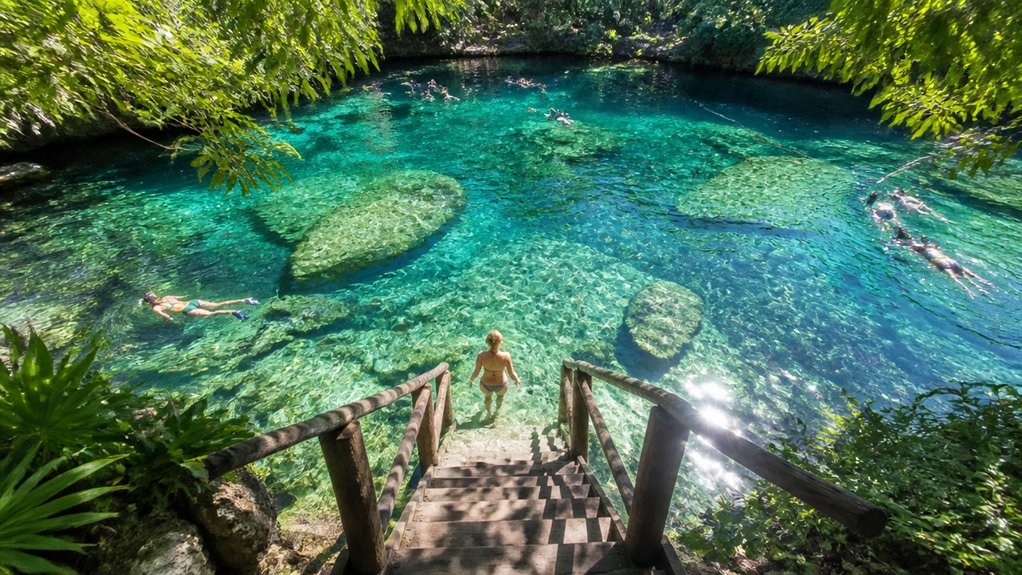
Since you’re already on the Tulum side of the day, Gran Cenote makes an easy next move. After the ruins, you can reach this popular spot quickly and still keep your itinerary full without tipping into overdone. Most cenote visits last 45 minutes to two hours, so Gran Cenote slides neatly into a one day plan.
You’ll find crystal clear water, wooden platforms, and simple entries that make it one of Tulum’s most beginner friendly cenotes. The setting feels polished but still wild, with bright water, shaded paths, and that cool cave hush. If you plan to wade over rocky sections, bring aquashoes for the slippery bottom. Also budget for extra fees, since cenote entry and camera costs can surprise you at the gate.
Pick Dos Ojos for Snorkeling
If snorkeling is the main event, Dos Ojos earns the detour with some of the clearest water around and a cavern system that’s famous for its bright visibility and sculpted rock formations. You’ll see why Ultimate Travel fans keep circling back.
- Plan 45 minutes to 2 hours.
- Expect an easy snorkeling layout.
- Guided entry helps you settle in fast.
- Try floating if you want a gentler start.
- Choose Dos Ojos over El Pit for cavern swims.
You get cool water, quiet echoes, and long views through blue light. Most visits mix orientation, gearing up, then steady snorkeling. If you want underwater life and room to build confidence, Dos Ojos feels like the smarter pick for first timers and explorers alike on a Tulum stop.
Wear Aquashoes at Tulum Cenotes
While the water grabs your attention first, the smarter move at Tulum cenotes is pulling on aquashoes before you head in. Rocky entrances, slick steps, and uneven stone bottoms can punish bare feet fast. You’ll notice the difference right away at places like Gran Cenote and Cenote Calavera, where wet paths and boardwalks lead to the water. Aquashoes give you better grip on those shiny surfaces and protect your toes from cuts and scrapes. Even when you’re swimming or snorkeling for an hour, they make every climb out and slide back in feel steadier. If tomorrow takes you toward the cenotes near Coba, keep them handy. Underground spots like Tamcach-Ha and Multum-Ha often mean more walking, steeper entries, and fewer chances to look graceful.
Budget for Cenote Extras
You’ll want to budget beyond the base ticket, because that bright blue water can come with extra camera or drone fees at the gate. If you need a life vest, snorkel, or locker, rental costs can stack up fast, especially when you’re hopping between cenotes. Keep small bills in your pocket for showers, parking, or a quick snack, so you’re not standing there dripping and wrestling with a soggy wallet.
Camera And Drone Fees
Even on a simple cenote stop, photo gear can quietly push your budget past the posted entrance price. Many sites charge extra for non-phone cameras, and some add camera and drone fees too. At the Tulum ruins and nearby cenote circuit, travelers have noted about 30 pesos for a non-phone camera, so keep small cash handy. Before you go, double-check policies, since booking pages may contain affiliate links and not list every onsite rule.
- Budget beyond the base entrance fee
- Expect around 30 pesos at some stops
- Ask about drones before arrival
- Leave 45 minutes to 2 hours per cenote
- Add a small contingency for filming permits
That tiny line item can surprise you faster than a cenote splash.
Gear Rental Costs
Past the camera fee, cenote costs keep stacking in small, slippery ways. You should treat protective gear as part of your cenote budget, not an afterthought. Rocky bottoms can feel sharp, so aquashoes help you keep your footing and enjoy the swim instead of tiptoeing like a cartoon crab.
| Extra | What to expect |
|---|---|
| Aquashoes | Rent or pack them for grip on slick rocks |
| Basic cenote entry | Some spots run around 300 pesos |
| Scuba cenote day | A package near $160 USD can still add a separate ~33 USD cenote entrance additional fee |
If you’re booking scuba, check whether full gear, tanks, flashlights, lunch, and transport are included before you assume the headline price covers everything. That review saves surprises and keeps your underwater day smooth.
Cash For Small Extras
Often, the cheapest part of a cenote day is the number on the entrance sign. You’ll want cash for small extras because little fees pop up fast, and many spots prefer bills.
- Camera permits can cost extra, especially for non-phone gear.
- At Tulum ruins and the CONAP area, keep about 30 pesos ready.
- Some cenote stops charge for showers, lockers, or required access items.
- Rocky bottoms make aquashoes worth the money for grip and comfort.
- Tours and scuba quotes may skip entrance fees, so leave a buffer.
Since visits often run 45 minutes to two hours, you might add a second cenote or upgrade to a day-club setup once you hear the water calling. That small stash saves time and keeps your plans flexible.
Stop for Lunch in Tulum Town
After a morning on the beach strip or at a cenote, swing into Tulum town for lunch, where Centro feels more local, more relaxed, and usually much kinder to your budget than the beach zone. The drive often takes 20 to 45 minutes, so timing a mid-afternoon meal keeps your day flexible.
| Why stop here | What it gives you |
|---|---|
| Better value | More room in your budget |
| Calmer pace | Easier reset before sunset |
In Tulum town, local restaurants and everyday street scenes make lunch feel grounded. You trade beach-club markups for good food, shade, and a quieter rhythm. Then you can head toward another cenote or roll back to the hotel zone by car or bike for sunset without that rushed end-of-day scramble tourists know well.
Choose Casual Spots in Tulum Centro
Usually, Tulum Centro is where you’ll find the easiest version of Tulum: relaxed streets, local energy, and meals that don’t torch your budget before sunset. After ruins or cenotes, you can keep things light here and wander on foot.
Tulum Centro keeps things easy: relaxed streets, local flavor, and budget-friendly meals after a day of ruins or cenotes.
- Grab tacos at Bonita.
- Order a big wrap at Burrito Amor.
- Try Palma Central for cocktails, music, and easy bites.
- Browse shops between stops and listen for scooters, chatter, and clinking glasses.
- If you’re doing Tulum from Cancun, choose local restaurants here to dodge private-access pricing.
Since the coast can sit 20 to 45 minutes away by bike or car, ending in Centro keeps your evening simple, social, and pleasantly cheap. You’ll save pesos for one last drink and maybe a dessert detour before bed.
Tulum Instagram Photo Experience
Discover the most Instagrammable spots in Tulum carefully selected for this unique experience. Elevate your Instagr...
Tulum Ruins, Cenote Cave and Swimming with Turtles From Tulum
A guided tour of the Tulum Mayan ruins, swimming with sea turtles in Akumal and a jungle oasis cenote swim in the Ri...
Tulum Ruins Guided Tour from Cancun and Riviera Maya
- Experience the ancient city of Tulum with our knowledgeable guides. - Enjoy our small group format and attention t...
Decide Between Town and Beach
So where should you land for one quick day in Tulum: town or beach? Choose your base by vibe, budget, and logistics. Tulum Beach gives you white sand, turquoise water, and boho hotels, but prices rise fast and shade can cost you. Tulum Centro feels calmer, more local, and easier on your wallet.
| Area | Best for |
|---|---|
| Tulum Beach | Sea views, boutique stays |
| Tulum Centro | Casual meals, easy wandering |
| Beach clubs | Party or polished lounging |
| Town base | Simpler ruins, cenotes, meals |
If you’ve only got one day, pick one side as home base. The two areas sit about 20 to 45 minutes apart, so bouncing around all day can feel like a part-time job. Most travelers stay in town and sample the coast briefly instead.
Head to Tulum Beach After Lunch
After lunch, you can head to the Tulum Beach Strip, walk the bright sand and boutique-lined road, and pick between easy public access and a beach-club splurge. If you want a quieter stretch, you’ll likely lean toward Playa Paraiso, Cinco Tulum, or Playa las Palmas, but don’t forget that shade is scarce unless you rent a chair and umbrella. If you’re craving music, a lounger, and someone else handling the details, spots like Papaya Playa Project or Mia make the choice pretty simple.
Beach Club Options
Once lunch is done, head to Tulum Beach and choose a beach club that fits your mood. They aren’t cheap, but you get loungers, umbrellas, and a built-in scene that can shape your afternoon. Show up after eating, settle in, and let the soundtrack, shade, and breeze do the rest.
- Pick Taboo Tulum if you want beach-party energy and a see-and-be-seen crowd.
- Choose Papaya Playa for breezy design, sandy seating, and thatched-roof shade by the water.
- Try Mia Restaurant & Beach Club for a calm poolside start that can roll into DJ sets later.
- Book Nomade Tulum if you like a club with strong dining, from La Popular to Kuu and Macando.
- Match the vibe to your day: party, chic, or easygoing family time.
Public Beach Access
Tulum Beach doesn’t have to mean committing to a pricey hotel setup. After lunch, walk north for public beach access at Las Palmas, Playa Paraiso, or Playa Ruinas. You’ll skip the private setup fees and choose your own vibe. Playa Las Palmas often feels calmer. Playa Paraiso draws bigger crowds. Shade is scarce, so bring sunscreen unless you rent a lounger and umbrella from a beach club nearby. If you’re budget-conscious, start with the public areas first and notice how the strip shifts from bohemian polish to a more local, barefoot rhythm nearby.
| Spot | What to expect |
|---|---|
| Las Palmas | Quieter sand, easier breathing room |
| Playa Paraiso | Popular stretch, classic Tulum color |
| Playa Ruinas | Quick access near the ruins |
| Beach clubs | Umbrellas, loungers, extra comfort |
Pick Playa Paraiso for Classic Views
If you want the classic Tulum postcard, pick Playa Paraiso. In your one day in Tulum Itinerary, this North Playa favorite gives you white sand, calm turquoise water, and an open shoreline that feels made for a long swim, a nap, and a few camera-happy pauses. You won’t get big party energy here. Instead, you hear small waves, feel soft sand underfoot, and settle into a scenic stretch that makes classic Tulum look effortless for your beach break after exploring the ruins nearby.
- Expect bright white sand and clear Caribbean water.
- Choose Playa Paraiso for a traditional beach scene.
- Enjoy easier swimming than at Playa Ruinas.
- Use your CONAP bracelet from the ruins for access.
- Bring sun protection because public areas have little shade.
Tulum Instagram Photo Experience
Discover the most Instagrammable spots in Tulum carefully selected for this unique experience. Elevate your Instagr...
Tulum Ruins, Cenote Cave and Swimming with Turtles From Tulum
A guided tour of the Tulum Mayan ruins, swimming with sea turtles in Akumal and a jungle oasis cenote swim in the Ri...
Tulum Ruins Guided Tour from Cancun and Riviera Maya
- Experience the ancient city of Tulum with our knowledgeable guides. - Enjoy our small group format and attention t...
Choose Las Palmas for Fewer Crowds
If you want a quieter stretch of sand, you’ll likely prefer Las Palmas over the busier beach-club scene farther south. You get a simpler public-beach feel here, with fewer crowds and an easy reset after the ruins or a cenote stop. Just don’t forget that shade is scarce on North Playa, so renting a lounge chair and umbrella nearby can save you from roasting by noon.
Less Crowded Sands
While Playa Paraiso and Playa Ruinas pull the bigger crowds, Las Palmas gives you a calmer stretch of North Playa where you can drop your towel and settle in with the sound of the surf. Come early for your beach day, and you’ll get the mellow version before more people drift over as the sun climbs. If beach clubs feel too packaged, choose Las Palmas instead. It gives you room to breathe, hear waves clearly, and actually relax there today.
- Skip the DJ scene and keep things quiet.
- Bring sunscreen because natural shade is scarce.
- Rent a lounge chair if you want an umbrella.
- Stay put and enjoy an easy North Playa afternoon.
- Watch the water sparkle and let the surf set the pace.
Public Access Tips
Where do you go when you want a public beach day in Tulum without the shoulder-to-shoulder shuffle? Head to Playa Las Palmas in the North Playa area. Public options like Playa Paraiso and Playa Ruinas can feel different, but Las Palmas usually stays calmer. If you’re coming from town or the beach road, it’s a quick bike or car ride along the north coast plan.
Arrive early so you can claim a patch of sand before traffic stacks up at the access points. Bring water, sunscreen, and maybe a hat you won’t mind chasing. Public beaches here offer fewer extras, and there’s basically no shade unless you pay for nearby lounge chair and umbrella setups at a beach club with music, food, and drinks.
Book a Tulum Beach Club
On Tulum’s beach, booking a beach club can change your whole day. You’ll get a lounge chair, an umbrella, and a base for food, drinks, and long sea views.
A Tulum beach club gives you shade, a lounger, and an easy home base by the sea.
- Pick your vibe. Taboo Tulum brings party energy while Nomade Tulum feels polished and calm.
- Nomade also keeps you fed with La Popular, Kuu, and Macando right onsite.
- Papaya Project, better known as Papaya Playa Project, offers open air seating on sand and a quieter resort feel.
- Prices aren’t cheap but comfort matters when you want shade, service, and zero need to bounce around.
- For a longer scene, Mia Restaurant and Beach Club may roll from daytime lounging into DJ sets after dark.
Reserve ahead, settle in, and let the surf handle your day’s soundtrack.
Use Public Beaches for a Quick Swim
For a fast dip without beach club prices, head to one of Tulum’s public beaches on the north side, like Las Palmas, Playa Paraiso, or Playa Ruinas.
Public beaches work best when you want a quick reset, not a full-service day. Choose a spot in North Playa around Tulum where you’re staying, slip into the water, and keep expectations simple. The tradeoff is clear: bright sun, hot sand, and usually no shade. Bring sunscreen and plenty of water, because the jungle heat sneaks up fast. If you want an umbrella or lounger, you’ll probably need to rent a chair from a club. Otherwise, enjoy the soft sand, the salty breeze, and that cool-off, then head back to your itinerary feeling human again.
Walk the Tulum Beach Road
After that quick saltwater reset, trade the simple public beach scene for a walk along Tulum Beach Road, the hotel zone that runs beside the Caribbean in a long ribbon of palms, boutiques, and beachside restaurants. If you walk the Tulum Beach Road in the afternoon, you can browse, snack, and slip into warm turquoise water between stops.
- Chic boutiques and breezy cafés
- Beach clubs with pricey drinks
- Playa Paraiso for a stop
- Playa las Palmas, sandy option
- Quieter public stretches for calm
Tulum: La glamour shows fast, since this strip feels shinier and costlier than Centro, with hotel gates, music, and wind competing for your attention. Shade can be scarce without a lounge chair, so choose club energy or quieter public sand today.
Rent a Bike for Beach Stops
You’ll cover more ground on a bike in Tulum, where the ruins, cenotes, and Playa stops sit just far enough apart to make walking drag. Pedal the coastal route with salt in the air and palms flicking overhead, but watch the rough dirt patches because the ride can get bumpy fast. Your best beach stops mix easy public sand at Las Palmas, Playa Paraiso, or Playa Ruinas with quick breaks for water, snacks, and maybe a shady chair if the sun starts bossing you around.
Scenic Coastal Bike Route
Because Tulum’s beach strip packs boutique cafés, little shops, and bright slices of Caribbean water along one narrow road, renting a bike early turns the coast into an easy, slow scenic loop.
Start at sunrise for cooler air and quieter pedals. If you begin near the ruins, Gran Cenote takes about 20 minutes by bike, so save time if you won’t rent a car. Pack:
- sunscreen
- a cap
- aquashoes
- water
- cash for shade
Then cruise toward the beach strip, browsing boutiques and cafés as turquoise flashes through palms. Playa Project works well as a landmark, not a destination, when you’re keeping the ride loose. You’ll hear scooters, clinking glasses, and waves while the road stays flat. Finish with salty skin, easy legs, and sunset light.
Top Beach Stop Picks
Since the beach club zone stretches out along the coast, renting a bike lets you hop between Tulum’s best beach stops without turning the day into a sweaty logistics puzzle. Start at Playa Paraiso or Playa Ruinas in the North Playa beach area, where the sand is public and you only pay if you want a club chair or umbrella. If you want zero fuss, pick a beach club for shade, because Tulums beach can feel bright and cover-free by noon. Want more scene? Try Taboo Tulum for party energy or Mia for pool, beach, and DJ sets. For a breezier boho mood, roll down to Papaya Playa Project, where beachfront seating, music, and salty air make lingering very easy for you after all.
Keep a Rainy Day Backup Plan
When the sky flips from bright blue to slate in Tulum, don’t scrap the day, just switch the script. June through October storms can hit hard, so plan flexible moves before you travel around Tulum.
- Pick a covered cenote day club.
- Keep aquashoes ready for slick rocks.
- Choose shorter routes near your base.
- Expect power cuts during wind and rain.
- Pair early ruins with a cenote later.
That backup keeps you moving without betting on long beach hours or sea swims. You’ll hear rain hammer palm roofs, then fade. If the forecast looks messy, choose activities that still work without electricity and don’t require a long transfer between the beach road and closer inland spots by car or bike once clouds start plotting overhead.
Swap the Cenote for Tulum Centro
If the cenote block doesn’t fit the mood, swap those afternoon hours for Tulum Centro and let the day settle into a more local rhythm. You’ll trade entry lines, rinsing rules, and camera fees for shady streets, easier prices, and a calmer pace. Tulum Centro feels more lived in than the beach strip, and it works well when you want to walk, cool off, and reset.
Think of this as a getting around decision as much as a vibe shift. From the beach, town usually sits 20 to 45 minutes away by car or bike, so commit to relocating your afternoon. You can linger over lunch at Bonita, Burrito Amor, or Palma Central, then enjoy cocktails without cenote clocks ticking nearby for once today.
Shop and Snack in Town
After the beach, you can slip into Tulum Centro, where walkable boutiques and open-air storefronts feel more local and a lot less polished than the beach strip. You keep it snack-sized with quick stops at Bonita, Burrito Amor, or Palma Central for easy bites, cold drinks, and prices that don’t make you blink. Since town sits about 20 to 45 minutes from the coast, you’ll want to shop, stock up, and head back in time for sunset by the water.
Walkable Town Boutiques
In Tulum Centro, the day loosens up a bit, and you can actually wander from boutique to café without feeling like every stop comes with a beach-club cover charge. Here, the walkable town boutiques, restaurants and shops feel made for real travelers, not just resort crowds. If you’re based in La Veleta or Aldea Zama, a quick bike ride or taxi gets you downtown for easy browsing, small souvenirs, and cocktails that won’t make you wince.
- Browse linen, ceramics, and easy gifts.
- Refuel near Bonita between short shopping loops.
- Dip into Burrito Amor, then keep wandering.
- End with music and people-watching at Palma Central.
- Split beach and town time smartly. They’re often 20 to 45 minutes apart by car or bike, depending on traffic.
Affordable Local Eats
Once the ruins and beach have had their turn, Tulum Centro feels like a reset button, with better-value plates, cold drinks, and shaded tables that don’t carry beach-club prices.
In Tulum Centro (town), you can browse downtown storefronts, then duck into local restaurants like Bonita, Burrito Amor, or Palma Central for a snack or full plate. The ride from the beach usually takes 20–45 minutes, so fuel up here and save the beach strip for sunset splurges. Near the ADO terminal, food stops fit nicely into your logistics.
| Spot | Why stop |
|---|---|
| Bonita | Quick, tasty meal |
| Burrito Amor | Easy grab-and-go |
| Palma Central | Lively bites and drinks |
You’ll spend less, hear scooters buzz past, and still eat well before pedaling back toward the sand again later on.
Catch Sunset on Tulum Beach
As the heat starts to ease, head to the Tulum Beach Strip, where the jungle backdrop and bright turquoise water make late afternoon feel especially scenic. Arrive before hour so you can settle in, hear the surf, and watch the light soften over the palms. If you want to catch sunset on tulum beach without scrambling for space, plan ahead and choose your vibe.
Head to the Tulum Beach Strip before golden hour, when surf, palms, and turquoise water make sunset feel especially magical.
- North Playa public access stays limited and mostly lacks shade.
- For umbrellas and a guaranteed perch, book a beach club chair.
- Papaya Playa Project offers open-air seating and an easygoing sunset scene. Mia often turns lively too.
- Playa las Palmas feels quieter if you’d rather skip the crowds.
- November through April usually looks clearer, while seaweed appears more often later.
Book Dinner on the Beach Road
After the sky fades, book dinner on the Tulum Beach Strip, also called the Hotel Zone, so you can stay right by the coast on the main beachfront road.
You’ll pay more here than in Tulum Centro, but the tradeoff is a sandy, lantern-lit atmosphere with the soft hush of waves nearby. Choose Mia Restaurant & Beach Club for a polished meal, or head toward Playa Las Palmas for fewer crowds and a calmer scene. If you’re staying in La Veleta or Aldea Zama, allow time for a taxi or bike ride since the beach area can take about 45 minutes. It’s a smart move on your visit to Tulum, especially if you didn’t book a tour with dinner plans for the full mood.
End at Papaya Playa or Gitano
For a final stop, head deeper into the Tulum Beach Strip and choose your mood for the night. Arrive before full dark, and you’ll catch that lovely shift from warm sand to cool evening air.
- Pick Papaya Playa Project if you want music, beach parties, and events that spill right onto the sand.
- Choose Gitano for a sleek jungle backdrop, candlelight, and cocktails that feel especially good as sunset slips away.
- Both sit in the hotel zone, so you can stay by the beach instead of bouncing across town.
- If you’re staying elsewhere, grab a short car, scooter, or taxi ride since Tulum isn’t very walkable.
- Bring a little curiosity, then follow your ears or your cocktail mood. Tulum makes the choice easy tonight.
Drive Back to Cancun Safely
When the music starts to tempt you into one more round, keep one eye on the clock and head back to Cancún early enough to avoid late-night fatigue. Federal Highway 307 is your main line north, and the drive back to cancun takes about 1 hour 45 minutes by car for roughly 181 km. Give yourself buffer time for heat, humidity, and quick stop needs. Keep water, a hat, sunscreen, and a phone charger within easy reach, because the ride can still feel hot and sticky after sunset. If you need a break, use established stations or rest areas, not dark roadside pull-offs. Before you leave, check secure parking, carry cash for tolls or small incidentals, and confirm your exact Cancún drop-off point before dark.
Frequently Asked Questions
Is Tulum Suitable for Solo Travelers on a Day Trip?
Yes, you’ll find Tulum suitable for a solo day trip because you can explore safely, join Hidden cenote tours, browse local food markets, and enjoy beaches and ruins at your own pace without feeling rushed.
What’s the Best Time of Year for a Tulum Day Trip?
Visit Tulum from November through April, when you’ll get sunny weather, lower humidity, and manageable Best season crowds. Avoid late summer if you can; hurricane risk planning matters, and you’ll enjoy travel, beaches, and ruins.
Can You Visit Tulum With Kids in One Day?
Yes, you can visit Tulum with kids in one day if you plan smartly, choose family friendly activities, pack snacks, and stick to stroller friendly routes, beaches, and ruins so everyone stays happy and comfortable.
How Much Should You Tip in Tulum Restaurants and Beach Clubs?
As a rule of thumb, you should tip 10–15% in Tulum restaurants and 15–20% at beach clubs, unless service’s included for most bills. Follow Local tipping etiquette, keep service charge awareness, and you’ll avoid overpaying.
Is Tulum Accessible for Travelers With Mobility Limitations?
Yes, you can enjoy Tulum with mobility limitations, but you’ll need to plan carefully. Look for Accessible beach walkways, accessible cenote options, adapted hotels, and transportation, since sidewalks, roads, and many ruins still challenge you.
Conclusion
By nightfall, you’ve traded cliffside stone for cool cenote water and then for soft sand under a pink sky. Tulum works in a day because the route stays simple and the contrasts stay sharp. You wake in Cancun before sunrise. You end with salt on your skin and dinner on the beach road. Then you head back carefully, tired in the best way, with ruins, reef light, and maybe one smoky cocktail still lingering there.
Tulum Ruins, Cenote Cave and Swimming with Turtles From Tulum
A guided tour of the Tulum Mayan ruins, swimming with sea turtles in Akumal and a jungle oasis cenote swim in the Riviera Maya plus round-trip transpo...
Tulum Ruins Guided Tour from Cancun and Riviera Maya
- Experience the ancient city of Tulum with our knowledgeable guides. - Enjoy our small group format and attention t...