Plan a Muyil ruins and Sian Kaan day trip with practical advice on transport, tickets, lagoon boats, canal floating, and timing.
Muyil is one of the rare day trips where a Maya city, a jungle trail, a freshwater lagoon, and the edge of a vast protected wetland fit into one unhurried route. The ruins sit beside Highway 307, yet the traffic quickly fades behind palms and gumbo-limbo trees. Continue beyond the temples and the landscape opens toward the lagoons of Sian Ka’an, where narrow channels once helped connect inland settlements with Caribbean trade routes.
This is a quieter archaeological experience than Tulum or Cobá, but it rewards travelers who enjoy context as much as spectacle. Come early, leave room for the lagoon, and expect a day shaped by heat, birdsong, and water rather than a checklist of monuments.
Key Takeaways
- Muyil is about 25 kilometers southwest of Tulum, with the archaeological entrance directly beside Highway 307.
- The ruins and the Sian Ka’an lagoon experience are related but separate, so budget and plan for each one.
- Start at the ruins near opening time, then continue toward the lagoon before the strongest afternoon heat.
- Boat trips may include a guided float through a historic freshwater channel, depending on current conditions and local operations.
- Bring pesos, drinking water, sun protection, insect repellent, a swimsuit, and a dry bag.
- Current admission, boat prices, trail access, and weather rules can change, so confirm them on the day of your visit.

Sian Kaan Muyil Floating Canals
Enjoy the most magical and relaxing experience available for our travelers, guided by the experts since 1988 native, local guides. In the Mayan langua...

Tulum: Sian Ka'an Biosphere 6-Hour Private Guided Adventure
This private tour takes you into the heart of the beautiful Sian Ka'an Biosphere and the town of Muyil. We will expl...

Muyil Archaeological Site & Sian Ka'an Guided Tour from Tulum
Discover the fascinating history of the Maya at Muyil, a spectacular ancient city in the middle of the jungle. The r...

Private tour of Muyil Archaeological Site & Sian Ka'an Lazy River
Discover the fascinating history of the Maya at Muyil, a spectacular ancient city in the middle of the jungle. The r...
Muyil and Sian Ka’an at a Glance
| Detail | Practical answer |
|---|---|
| Distance from Tulum | About 25 kilometers southwest |
| Driving time | Roughly 25 to 35 minutes in normal traffic |
| Archaeological hours | INAH currently lists daily access from 8:00 a.m. to 5:00 p.m. |
| Best arrival | Close to opening time |
| Time for ruins only | About 1.5 to 2 hours |
| Time with lagoon experience | About 4 to 6 hours total |
| Best for | Archaeology, nature, birdlife, photography, and low-key adventure |
| Bring | Pesos, water, hat, repellent, walking shoes, swimsuit, towel, dry bag |
The official archaeological name is Muyil, although older references may use Chunyaxché. The nearby lagoons form part of the Sian Ka’an Biosphere Reserve, a UNESCO World Heritage site covering more than half a million hectares of tropical forest, wetlands, mangroves, coastline, and marine habitat.
Why Muyil Matters
Muyil was not an isolated ceremonial site. Its location near lagoons and waterways tied it to a wider network of movement and exchange. Occupation began well before the height of the better-known coastal cities, and the settlement remained active across many centuries.
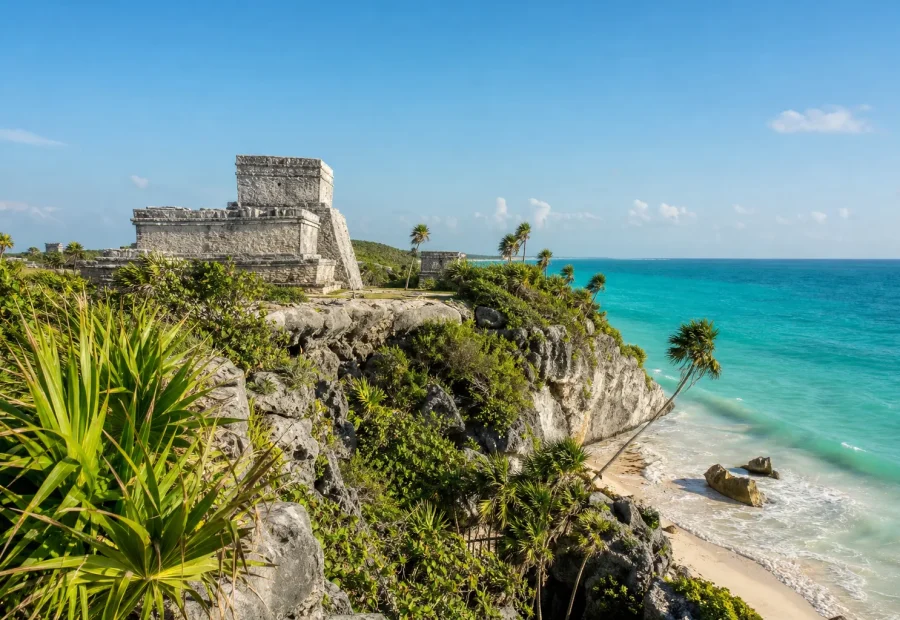
The most recognizable structure is El Castillo, a steep Petén-style pyramid that rises above the forest. Its proportions feel different from the low, wind-exposed buildings at the Tulum ruins. Here the jungle presses close, roots thread through the ground, and each cleared plaza feels like a room cut into green foliage.
Recent conservation work has improved visitor services and reopened sections of the site, including paths associated with the sacbé and Gran Plataforma. That makes the visit easier to understand, but Muyil still feels compact and intimate. You can slow down, read the landscape, and notice small details without moving with a large crowd.
The Ruins and the Reserve Are Separate Experiences
It helps to think of the day in two parts. First comes the INAH-managed archaeological zone, with its ticket office, paths, plazas, and restored buildings. The second part leads toward the reserve and lagoon, where local boat operators may offer excursions through the wetland.
One ticket generally does not cover every component. You may encounter separate charges for archaeological admission, access toward the lagoon or community-managed areas, and the boat trip. Procedures can shift, so ask what each payment includes before handing over money.
Travelers sometimes arrive expecting the canal float to begin beside the first temple. In reality, the transition takes time. Allow for walking, ticket checks, a possible wait for a boat group, and a change into swimming clothes. A relaxed schedule prevents the best part of the day from feeling rushed.
How to Get to Muyil From Tulum
Driving is the simplest option. Follow Highway 307 south from Tulum toward Felipe Carrillo Puerto. The entrance is on the left side of the highway near the village of Muyil. Watch for the archaeological signs and slow down before the turn, since vehicles on the highway can move quickly.
A taxi offers door-to-door convenience, but arrange the return before leaving Tulum. There may not be a line of taxis waiting when you finish. Ask the driver to quote the full trip clearly and decide whether they will wait or return at a set time.
Colectivos and southbound local transport can be the least expensive choice. Tell the driver you are going to the Muyil archaeological zone and confirm the pickup point for the return. The highway stop requires awareness, especially with children or luggage, and service can be less predictable late in the day.
An organized tour is useful if you want transport, historical interpretation, and the lagoon logistics handled together. Compare inclusions carefully. Some tours visit only the ruins, while others include a boat and channel float.

Tulum Ruins Guided Tour from Cancun and Riviera Maya
- Experience the ancient city of Tulum with our knowledgeable guides. - Enjoy our small group format and attention t...

UNESCO Sian Kaan Reserve and Muyil Mayan Ruins from Tulum
Experience the magic of the Mayan civilization and the breathtaking beauty of the Sian Ka'an biosphere reserve, a UN...

Sian Ka'an Biosphere Reserve private Tour
Explore the stunning landscapes of Sian Ka'an, a UNESCO World Heritage Site, and float along the serene Lazy Rivers...
The Best Time to Start Your Day
Arrive near 8:00 a.m. if possible. The ruins are cooler, birds are active, and the forest atmosphere is at its best before midday. Starting early also leaves a comfortable window for the lagoon even if ticketing or boat arrangements take longer than expected.
Late morning can still work, but the heat and humidity build quickly on open paths. Afternoon storms are common during the wetter months. Boat operators may delay or cancel departures when wind, lightning, or visibility makes the lagoons unsafe.
December through April usually brings drier conditions and more visitors. Summer is hotter and greener, with a greater chance of showers. Mosquitoes can be present in any season, particularly after rain or near still water.
What to See Inside the Archaeological Zone
El Castillo is the visual anchor, but the visit is better when you resist walking straight to it and leaving. Pause at the smaller platforms and plazas first. Their placement reveals how the settlement was organized and how ceremonial, residential, and trading functions overlapped.
Look for the differences in masonry, building height, and orientation. Some structures reflect architectural connections with regions farther south, while later additions show changing influences. Interpretive signs may be limited, so a knowledgeable guide or a little reading beforehand adds real value.
Do not climb unless a clearly posted sign says it is permitted. Archaeological access rules can change to protect fragile stonework. Even where a stair appears open, treat ropes and barriers as firm boundaries.
Allow at least 75 to 90 minutes for a thoughtful circuit. Photographers and history enthusiasts may want two hours. Shade is common, but the humid air can make the walk feel warmer than the temperature suggests.
Following the Sacbé Toward the Lagoon
A sacbé is an elevated Maya road, often surfaced with pale limestone. At Muyil, the route toward the wetland helps explain why the city stood here. The architecture and water are part of the same story.
Depending on current access, the forest path may lead toward a boardwalk, observation point, or lagoon-side area. Conditions can change after storms or maintenance, so ask staff which sections are open. Wooden surfaces can be slippery after rain, and roots may make parts of the walk uneven.
The transition is memorable. Dense forest gives way to reeds, mangroves, and a wide sky reflected in the lagoon. Listen for herons, kingfishers, woodpeckers, and the rustle of lizards along the path. Sian Ka’an supports hundreds of bird species, although any single visit depends on weather, season, and luck.
The Lagoon Boat Trip
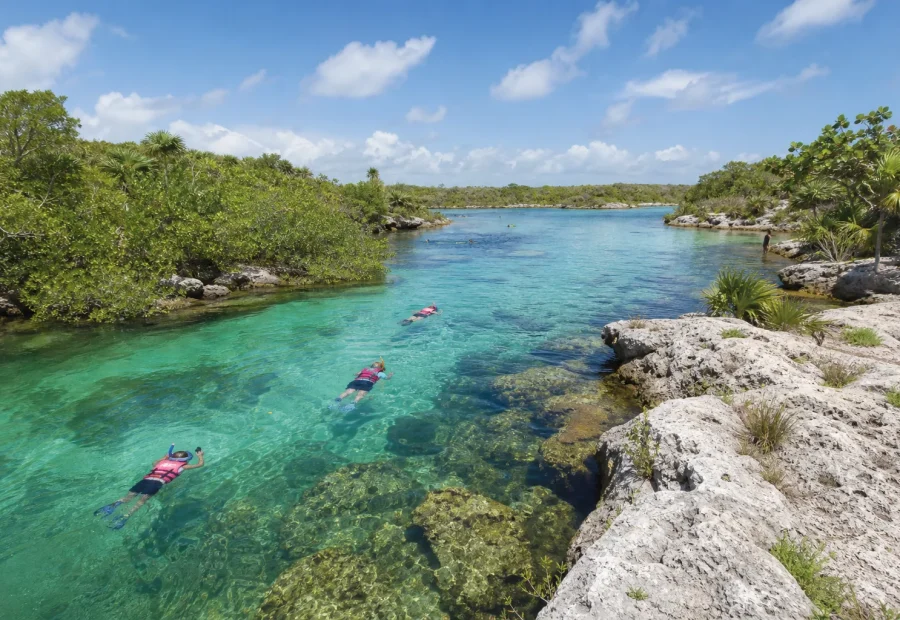
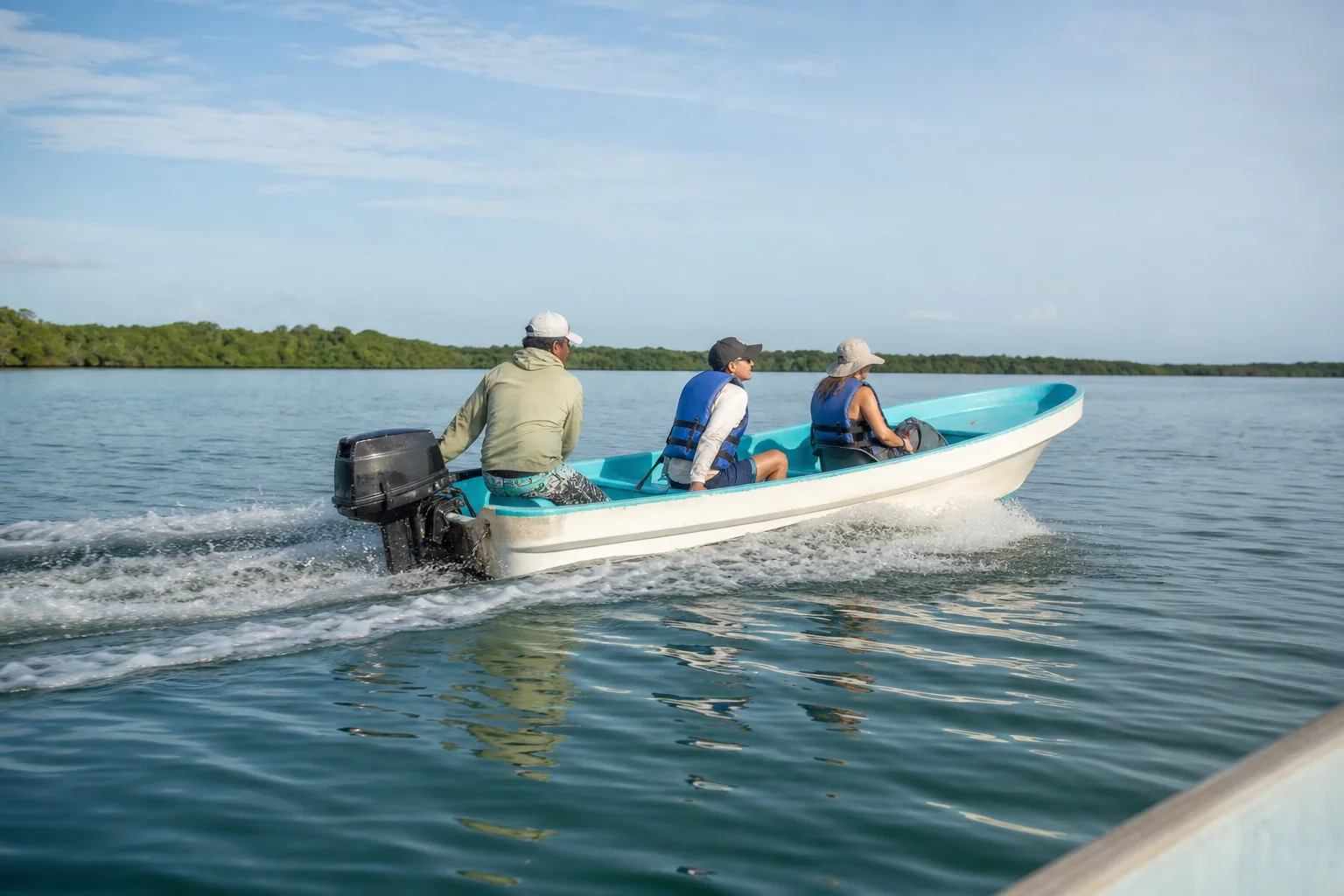
Local boat trips usually travel across freshwater lagoons connected by narrow channels. Routes and duration vary, but the experience commonly combines a fast open-water crossing with slower passages through mangroves and reeds.
Ask the operator four questions before you pay: How long is the trip? Is the channel float included? Are life jackets provided? What happens if weather ends the excursion early? Clear answers make it easier to compare options.
Boats may depart only after enough passengers have gathered, or you may be offered a private departure at a higher price. If you are traveling alone or as a couple, joining another small group can reduce the per-person cost. Carry cash in pesos because card service near the lagoon may be unreliable.
Wear the life jacket as directed, keep cameras secured, and protect loose hats during faster stretches. The water can look calm while wind builds across the open lagoon.
Floating Through the Maya Channel
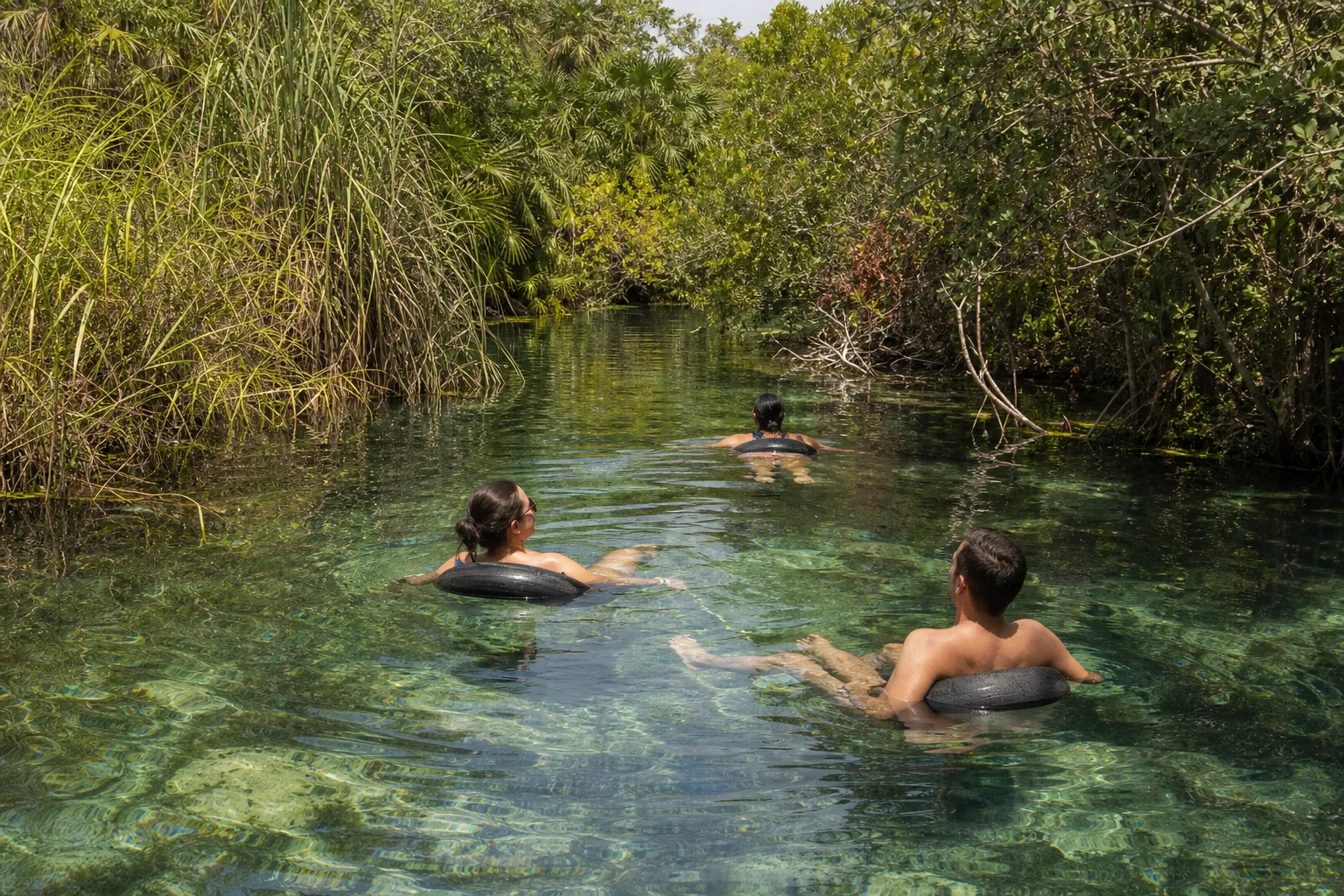
The channel float is the signature experience for many visitors. After a boat crossing, guests may enter clear, gently moving water and drift through a narrow passage bordered by sawgrass, mangroves, and low wetland vegetation. A life jacket is often worn around the hips or torso according to the guide’s instructions.
The current does much of the work. The sensation is slow and buoyant rather than athletic, but you should still be comfortable in water. Follow the guide’s entry and exit instructions, keep feet away from fragile banks, and do not wander into side channels.
These waterways carry both ecological and cultural significance. Some channels were modified or used by Maya communities to move people and goods between lagoons. Floating through one makes the geography of Muyil immediately understandable: the forest city was connected to a watery transportation network.
Conditions determine whether the float operates. Heavy rain, strong wind, maintenance, water levels, or conservation measures can alter the route. Treat it as a possible highlight rather than an unconditional promise.

Tulum Ruins, Cenote Cave and Swimming with Turtles From Tulum
A guided tour of the Tulum Mayan ruins, swimming with sea turtles in Akumal and a jungle oasis cenote swim in the Ri...

Discover Muyil: Ancient Ruins and Lagoon Serenity
This tour stands out for its blend of cultural immersion, nature exploration, and relaxation in one experience. It o...

Sian Kaan Reserve and Muyil Mayan Ruins from Tulum Combo
Experience the magic of the Mayan civilization and the breathtaking beauty of the Sian Ka'an biosphere reserve, a UN...
Tickets, Boat Costs, and Cash Planning
INAH currently lists different archaeological admission prices for Mexican nationals or residents and international visitors. The displayed rate was updated in 2026, but government fees can change. Check the official Muyil archaeological page shortly before traveling and confirm the posted amount at the ticket office.
Boat prices are set separately and may depend on group size, route, season, and whether the float is included. Rather than relying on an old number from a blog or review, bring enough pesos for a meaningful day-trip expense and ask for the complete price before boarding.
Your practical budget may include:
- Transport from Tulum and the return trip
- Archaeological admission
- Any separate reserve, trail, or community fee
- Lagoon boat and guide
- Drinks, snacks, and tips
ATMs are scarce around the site, and mobile payment service can fail. Withdraw cash in Tulum, split it between secure pockets, and carry small bills.
What to Bring
Pack for a forest walk and a water excursion in the same day. Light clothing that dries quickly is more comfortable than heavy cotton. A long-sleeved sun shirt can help with both insects and exposure on the boat.
Bring:
- At least one liter of drinking water per person
- A hat and reef-conscious sun protection
- Insect repellent, especially in wet months
- Supportive walking shoes or strapped sandals
- A swimsuit worn under your clothes
- A small towel and change of dry clothing
- A dry bag or waterproof phone pouch
- Pesos in small denominations
- A reusable bottle and a bag for your own rubbish
Apply repellent before the jungle trail and follow local guidance about sunscreen before entering freshwater. Avoid spraying products beside the lagoon.
Weather, Heat, and Seasonal Conditions
Muyil feels more humid than the exposed coast. Shade helps, but sweat does not evaporate quickly in the forest. Drink before you feel thirsty and take breaks if anyone becomes dizzy, nauseated, or unusually tired.
Rain does not automatically spoil the day. A brief shower can cool the ruins and deepen the greens. Thunder and lightning are different. The lagoon is exposed, and operators must put safety before a schedule.
During the wet season, paths may be muddy and insects more active. During the dry season, sun exposure on the boat can be intense. Hurricane-season weather can affect access even when a storm is far away, so check the forecast and local notices rather than relying on a generic monthly average.
Guided Tour or Independent Visit
An independent visit gives you control over pace and can cost less, particularly if you have a rental car and do not take the boat. It suits travelers who are comfortable arranging transport, asking local operators questions, and adjusting plans on the spot.
A guided tour adds historical interpretation and simplifies the handoff between ruins and reserve. It can be especially valuable at Muyil because the site’s significance is not always obvious from the remaining structures alone. A good guide connects architecture, trade, freshwater, and wetland ecology.
Before booking, confirm:
- Whether archaeological and reserve fees are included
- Whether the boat and float are guaranteed or weather-dependent
- Group size and pickup location
- Total time at the ruins versus in transit
- Whether lunch, water, towels, or dry bags are provided
For a wider comparison, see our Sian Ka’an Biosphere Reserve guide.
Accessibility, Children, and Swimming Confidence
The first archaeological paths are relatively straightforward, but roots, loose surfaces, heat, and longer forest sections can make the full route challenging. Recent improvements added visitor services, yet the lagoon and channel experience should not be assumed to be fully accessible.
Ask operators about boat boarding height, walking distance, railings, and restroom access based on the specific needs of your group. Wheelchair users and travelers with limited mobility should request current, detailed information before making the trip.
Children who enjoy nature may love the boat, but they need close supervision near docks and water. Confirm that a correctly sized life jacket is available. The channel float is best for children who can follow instructions and remain calm in natural water.
Non-swimmers should explain their comfort level to the guide before boarding. It may be possible to enjoy the boat while skipping the float, but confirm that choice before paying.
Combining Muyil With Other Stops
Muyil works best as the main event of a half or full day. Adding too many stops can turn a peaceful outing into a long sequence of entrances and parking lots.
Good combinations include:
- Tulum Pueblo dinner: Return from Muyil, shower, then explore the more local evening food scene in town.
- A carefully chosen cenote: Add one only if you start early and know its current closing time. Our cenotes near Tulum guide helps compare options.
- A relaxed beach afternoon: This works when you visit only the ruins and return before lunch.
- A longer Sian Ka’an experience: Choose a tour designed around the reserve rather than trying to improvise several separate excursions.
Cobá is possible on a long driving day, but each archaeological site deserves attention. Travelers with several days in the area will usually enjoy them more on separate outings. Read our Cobá day-trip guide before deciding.
Visiting Responsibly
Sian Ka’an is a living protected landscape, not an adventure park. Follow the guide’s route, keep noise low around wildlife, and never remove shells, plants, stones, or archaeological material.
Use refillable water containers, avoid single-use packaging, and carry waste back to Tulum if bins are full. Do not feed animals or pressure a boat operator to approach wildlife. Distance protects nesting birds, crocodiles, manatees, and the people observing them.
Choose operators who provide life jackets, explain rules, respect weather decisions, and keep groups within established channels. Low-impact tourism supports the communities whose knowledge and daily work make the lagoon experience possible.
The UNESCO description of Sian Ka’an offers useful background on the scale and ecological importance of the reserve.
Frequently Asked Questions
Is Muyil currently open?
INAH lists Muyil as open daily from 8:00 a.m. to 5:00 p.m. after a 2026 reopening and conservation project. Conditions can change, so check the official page before making a special trip.
Can I visit Muyil without a tour?
Yes. The archaeological zone is easy to reach by rental car, taxi, or local transport. The lagoon portion requires additional arrangements with local operators and may be simpler with a guide.
Is the Sian Ka’an boat included with the ruins ticket?
Usually no. Archaeological admission, other access fees, and the lagoon excursion are separate expenses. Confirm what each payment covers.
Do I need to be a strong swimmer for the canal float?
The current is generally gentle and life jackets are used, but you should be comfortable entering natural water and following a guide. Tell the operator if you are a non-swimmer or anxious in deep water.
Can I climb El Castillo at Muyil?
Do not assume climbing is allowed. Follow the signs and instructions posted during your visit, since access rules can change to protect the structure.
How much time should I allow?
Plan about 1.5 to 2 hours for the ruins alone. Allow 4 to 6 hours for the ruins, trail, boat logistics, and channel float, plus transport from Tulum.
Is Muyil better than the Tulum ruins?
They offer different experiences. Tulum has dramatic coastal views and a larger visitor flow. Muyil has a forest setting, deeper ties to the lagoon network, and a more intimate scale. Travelers with time should consider both.
Conclusion
Muyil makes the ancient geography around Tulum feel tangible. The temples tell one part of the story, while the lagoon and channels reveal how people moved through a landscape built from limestone, freshwater, forest, and sea.
Start early, keep the schedule flexible, and give both halves of the visit enough time. With a thoughtful guide or careful independent planning, this can be one of the region’s most rewarding days: archaeologically rich, physically refreshing, and closely connected to the living wetland of Sian Ka’an.
UNESCO Sian Kaan Reserve and Muyil Mayan Ruins from Tulum
Experience the magic of the Mayan civilization and the breathtaking beauty of the Sian Ka'an biosphere reserve, a UNESCO World Heritage Site, on our S...
Sian Kaan Reserve and Muyil Mayan Ruins from Tulum Combo
Experience the magic of the Mayan civilization and the breathtaking beauty of the Sian Ka'an biosphere reserve, a UN...
Sian Kaan Natural Reserve and Muyil Mayan Ruins from Tulum
Experience the magic of the Mayan civilization and the breathtaking beauty of the Sian Ka'an biosphere reserve, a UN...
Tulum: Sian Ka'an Biosphere 6-Hour Private Guided Adventure
This private tour takes you into the heart of the beautiful Sian Ka'an Biosphere and the town of Muyil. We will expl...
Still comparing Muyil Ruins And Sian Ka'an Tours?
Ask for tour ideas, hotel suggestions, or a simple trip plan that combines both.
Trip Helper
Experiences to explore
 Explore experience ↗
Sian Kaan Muyil Floating Canals
◷ 3 hr–5 hr
Enjoy the most magical and relaxing experience available for our travelers, guided by the experts since 1988 native, local guides. In t
See dates for Current pricing
View dates Explore experience ↗
UNESCO Sian Kaan Reserve and Muyil Mayan Ruins from Tulum
◷ 4 hr 30 min
Experience the magic of the Mayan civilization and the breathtaking beauty of the Sian Ka'an biosphere reserve, a UNESCO World Heritage
See dates for Current pricing
View dates Explore experience ↗
Sian Kaan Reserve and Muyil Mayan Ruins from Tulum Combo
◷ 4 hr 30 min
Experience the magic of the Mayan civilization and the breathtaking beauty of the Sian Ka'an biosphere reserve, a UNESCO World Heritage
See dates for Current pricing
View dates