Cenote Carwash From Tulum Guide
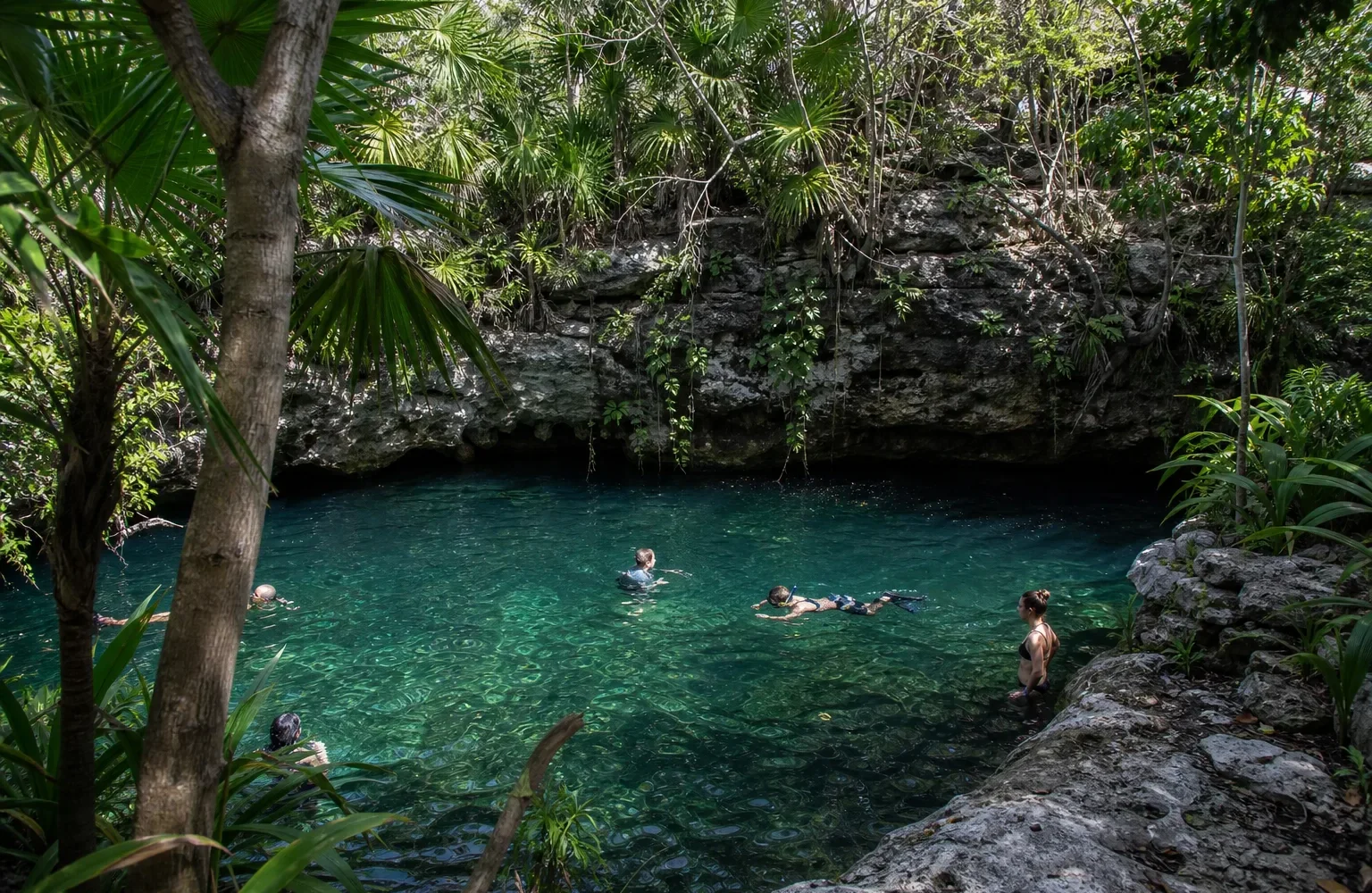
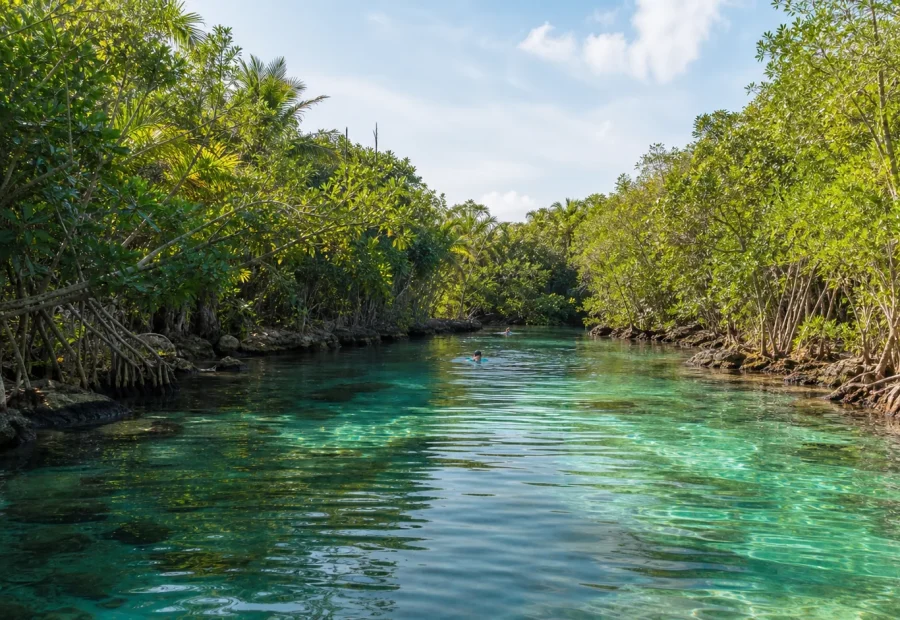
Plan a trip to Cenote Carwash, also called Aktun Ha, with practical guidance on transportation, reported hours, uncertain prices, swimming, snorkeling, diving, facilities, and accessibility.
Tulum guide archive
Choose a cenote by swimming style, setting, distance, and atmosphere instead of trying to rush through a list.
The cenote archive collects in-depth guides to individual swimming spots and comparison articles for planning a realistic route from Tulum. Each place has its own access, depth, facilities, and atmosphere.
Begin with the main cenote hub if you are still deciding between open water and caves. Then use the latest guides below for detailed preparation.
Plan a trip to Cenote Carwash, also called Aktun Ha, with practical guidance on transportation, reported hours, uncertain prices, swimming, snorkeling, diving, facilities, and accessibility.

Plan a trip to Cenote Carwash, also called Aktun Ha, with practical guidance on transportation, reported hours, uncertain prices, swimming, snorkeling, diving, facilities, and accessibility.
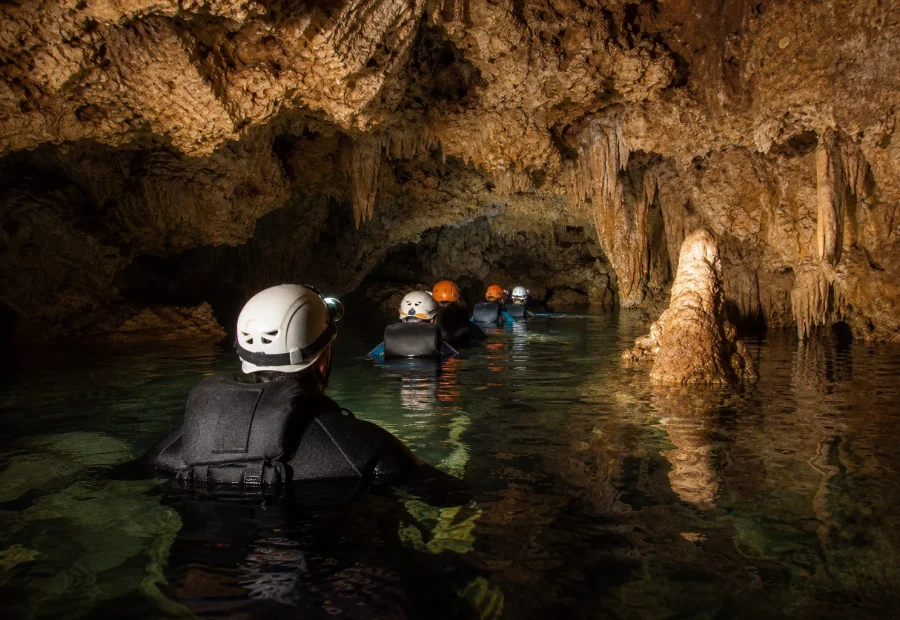
Compare guided underground-river tours and flexible cenote visits near Tulum, including transport, duration, equipment, prices, accessibility questions, and practical booking checks.
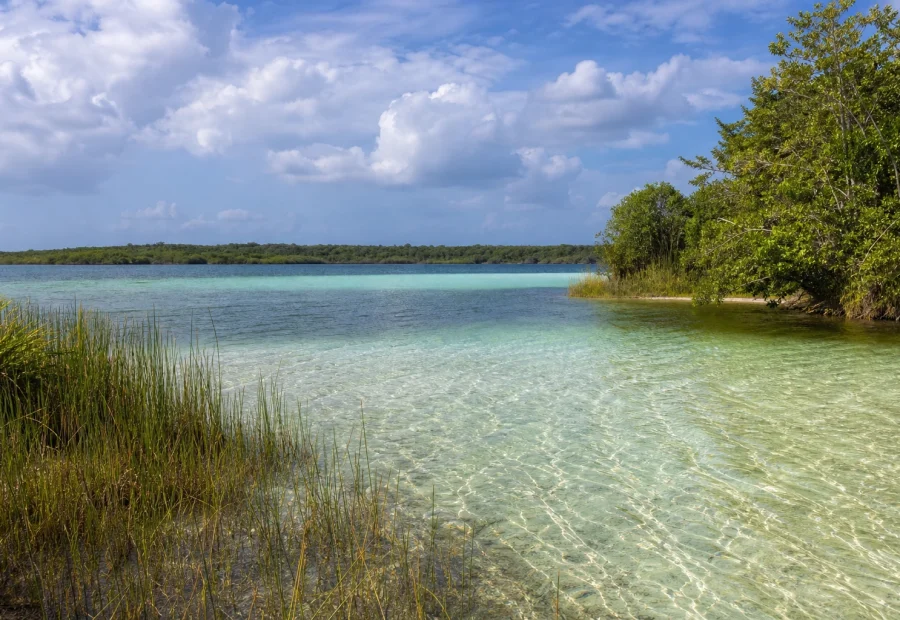
Plan a Kaan Luum and cenote tour from Tulum with practical guidance on itineraries, transportation, costs, booking questions, accessibility, packing, and responsible travel.

Plan a visit to Cenote Cristal near Tulum with practical advice on location, transport, estimated costs, uncertain opening hours, safety, accessibility, and pairing it with Cenote Escondido.

Plan a visit to Cenote Escondido in Tulum with a practical checklist for transport, timing, costs, swimming gear, accessibility, weather, and same-day verification.
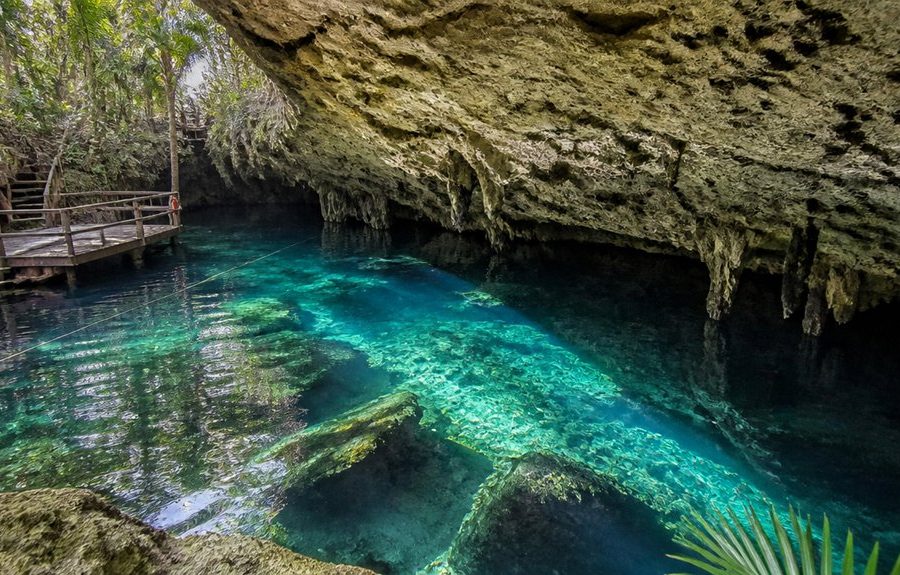
Just 20 minutes from Tulum, Cenote Dos Ojos splits into two surreal cave worlds—learn the best route, timing, and what most visitors miss.
Plan a Casa Cenote visit with clear advice on transport, timing, snorkeling, diving, wildlife, safety, and what to bring.

Best cenotes near Tulum promise wildly different swims—find out which ones are magical, which are overrated, and why one might change your whole day.
Practical planning
Open cenotes are bright and easy to understand. Cave and semi-open cenotes feel more adventurous and may have stairs or darker water.
An early arrival often means calmer water, cooler paths, and more space before tour groups reach the site.
Shower when asked, skip lotions and oils, follow life-jacket rules, and never enter a closed area for a photograph.
Families and cautious swimmers often prefer open or semi-open cenotes with visible edges, ladders, and clear shallow areas. Strong swimmers may enjoy deeper open water, while cave systems suit travelers who are comfortable with darkness, steps, and cooler temperatures. Life jackets may be required even if you swim well.
Ask about access before paying if anyone in your group has limited mobility. Limestone surfaces can be uneven and slippery, and some entrances involve steep stairs. Never assume a dramatic cave photograph represents the full visitor route.
Many cenotes are easiest to reach by rental car, taxi, colectivo plus a walk, or an organized tour. Confirm the return plan before you enter, especially at sites away from the main road. Carry pesos, a towel, water, and a dry bag. Locker, equipment, camera, or conservation charges may be separate.
Morning is usually the calmest time. On a busy day, choose a less famous site or accept that the experience will be social. If you are diving, use a properly qualified operator and do not treat recreational swimming advice as cave-diving guidance.