Unlock Tulum’s beaches, ruins, cenotes, and transport secrets for first-timers—before one costly mistake changes your entire trip.
Your first trip to Tulum can feel like two vacations in one. You wake to white sand and warm turquoise water in the Beach Zone, then bike into town for tacos, cheap coffee, and dusty jungle roads that lead to cenotes cool as caves. Add cliffside Mayan ruins and the usual Cancun-to-Tulum logistics, and you’ve got choices to make. The good ones start here.
Key Takeaways
- Tulum is ideal for first-timers seeking white-sand beaches, turquoise water, cenotes, and coastal Mayan ruins beyond a simple beach vacation.
- Stay in the Beach Zone for boho beachfront luxury, or Tulum Pueblo for cheaper food, easier logistics, and a more local atmosphere.
- Visit from November through March for better weather, clearer water, and lower sargassum risk; January through March are busiest and priciest.
- Plan at least 4 days to split time between the beach, town, cenotes, and the Tulum Ruins without feeling rushed.
- Most travelers arrive via Cancún, about 1.5 to 2 hours away, then use pre-booked transfers, buses, taxis, bikes, or the Maya Train.

Tulum Ruins Guided Tour from Cancun and Riviera Maya
- Experience the ancient city of Tulum with our knowledgeable guides. - Enjoy our small group format and attention to detail through the Mayan’s mos...

Tulum Ruins, Cenote Cave, and Turtle Swimming Tour
A guided tour of the Tulum Mayan ruins, swimming with sea turtles in Akumal and a jungle oasis cenote swim in the Riviera Maya plus round-trip transpo...
Is Tulum Worth Visiting for First-Timers?

So, is Tulum worth visiting for first-timers? Yes, if you want more than a pretty beach day. You get white sand underfoot, warm turquoise water, jungle roads, cenotes cool as caves, and Mayan ruins rising above the coast. That mix makes Tulum feel special on a first trip, especially when you plan a few smart excursions instead of only hotel time. The catch is popularity. Crowds and overhyped spots can dull the magic if you don’t use solid travel tips and wander a little farther. Tulum travel tips can help first-time visitors avoid common mistakes and make the most of their stay. Your best odds come from timing. Visit Tulum from November through March for better weather, calmer ocean conditions, and less sargassum. Many travelers leave satisfied and already plotting a return, which is usually a very good sign for you.
What Is Tulum Like: Beach Zone vs. Town?
In Tulum’s Beach Zone, you get white sand, turquoise water, stylish beach clubs, and that camera-ready boho scene most first-timers picture. In town, you trade the polished beach strip for a more local rhythm, cheaper tacos and cocktails, and easier strolls between shops, markets, and everyday essentials. Since the two areas can sit 20 to 45 minutes apart by car or bike, you’ll want to choose whether your trip feels more barefoot chic or more laid-back and practical. For many travelers, deciding between these two areas is the key to choosing one of the best neighborhoods to stay in Tulum for a first visit.
Beach Zone Vibe
While both sides are unmistakably Tulum, the Beach Zone and Town feel like two different trips folded into one. In the Beach Zone (Zona Hotelera), you step into Tulum’s polished, toes-in-the-sand fantasy. The hotel zone runs along the coast, lined with boutique stays, beach clubs, and international cuisine. You’ll hear DJ sets drifting over palms, sink into a day bed, and spend hours in a laid back rhythm that still feels stylish. Many travelers choose beach hotels here to stay steps from the sand and fully lean into the coastal experience.
- White sand underfoot
- Boutique hotels tucked behind jungle walls
- Beach clubs with music and cocktails
- Menus that jump from tacos to sushi
- Slow beach days with a glamorous bohemian glow
It’s the side where your schedule loosens, your sandals never dry, and sunset feels less like an event and more like clockwork.
Town Atmosphere
Once you leave the beach road behind, Tulum Pueblo feels like the part of Tulum that actually runs on coffee, scooters, and taco smoke. Here, you can walk to supermarkets, banks, casual bars, and small shops without the polished beach-club mood. Tulum town feels looser and more local, with street corners buzzing at dinner and prices that won’t bully your wallet. On ONE trip, you’ll probably bounce between both worlds. The beach zone serves Caribbean views and pricey reservations. Tulum Pueblo handles tacos, cocktails, errands, and people-watching. Since the two areas sit 20 to 45 minutes apart by bike or car, your travel plans matter. For first timers, town gives you the everyday heartbeat, plus a solid break from sand in your shoes daily. If you want something in between, Aldea Zama sits between town and the beach and is often seen as a more residential middle ground.

Chichen Itza, Cenote and Valladolid Small Group Day Trip
Recently selected as one of the New World Wonders, Chichen Itza is without a doubt one of the most spectacular and i...

Tulum Instagram Photo Experience
Discover the most Instagrammable spots in Tulum carefully selected for this unique experience. Elevate your Instagr...

All-Inclusive! Tulum Ruins, Tequila Tasting + Swim in 3 Cenotes in Small Group!
At Authentic Tours Tulum we believe in giving back to our community by utilizing locations, restaurants, and employe...
When Is the Best Time to Visit Tulum?
If you want Tulum at its easiest and prettiest, aim for November through March, when the air feels cooler, the sea looks clearer, and sargassum usually stays away. You’ll get warm days either way, but from April through October you face hurricane season and a higher chance of seaweed piling up along the shore. January to March also draws bigger crowds, so you’ll want to book early unless you enjoy playing chicken with hotel prices. Summer can still work well for travelers chasing sun and sand, as long as you stay flexible with weather and beach conditions.
Best Months To Visit
From November through March, Tulum usually feels at its best. If you’re choosing the best time to visit, this Time of Year brings softer sun, easier beach days, and calmer water.
- November mornings feel breezy, and the sea often looks bright blue instead of crowded with sargassum (seaweed).
- October through December can be a sweet spot if you want great weather with a little more elbow room.
- January through March draws bigger crowds, so book your hotel and favorite tours before everyone else gets clever.
- June, September, and October are often rainier, but showers usually pass fast and leave the streets steaming.
- If your plans are flexible, skip April through October for more comfortable days and smoother swims along the reef at sunrise, with ease.
This season also makes it easier to enjoy best things to do in Tulum, especially for first-time visitors planning beach time, ruins, and outdoor adventures.
Hurricane And Sargassum Season
Storms and seaweed shape Tulum’s mood more than any calendar date, and the trick is knowing when they tend to roll in. Tulum’s hurricane season usually runs April through October, which is also peak sargassum (seaweed) season. If you visit then, you might wake to rough surf, tangles of brown weed on the sand, and murkier water, so beach conditions can change fast.
For the calmest odds, aim for November through March. You’ll usually get clearer water, cleaner shorelines, and easier beach days, though January to March also brings bigger crowds and higher rates. Rain can still show up, especially in June, September, and October, but showers often pass quickly. Pack patience, check forecasts, and keep a backup cenote plan. The Caribbean likes surprises, too. If you’re entering Mexico around these months, remember the electronic FMM is a single-entry document with a maximum validity of 180 calendar days.
How Many Days Do You Need in Tulum?
How long should you stay in Tulum? For a first time visit, plan 4 days. That answers how many days do you need in tulum without rushing. You’ll get one day for the beach zone, one for town, and extra time for the Tulum Ruins or two cenotes.
Four days in Tulum gives first-timers room for beach mornings, town afternoons, and unhurried ruins or cenote swims.
- Wake to pale sand and windy palms along the hotel strip.
- Wander town for tacos, shops, and a slower local rhythm.
- Swim in two cenotes, where cool water and echoing caves reset your day.
- Give the Tulum Ruins a half day, then linger by the sea.
- Stay 5 to 7 days if Sian Ka’an Biosphere and Coba are on your list.
A one day itinerary can pair the beach, ruins, and cenotes if you want a quick sample before settling into a longer stay.
November to March gives you the best buffer for crowds, rain, and sargassum when plans shift.
Still comparing Tulum Airport Transfer And First Day Planning?
Ask for tour ideas, hotel suggestions, or a simple trip plan that combines both.
Trip Helper
How Do You Get From Cancun to Tulum?
Once you’ve mapped out your days in Tulum, the next piece is getting there. Most travelers fly into Cancun because Tulum still doesn’t have an operating airport. From there, the Cancún → Tulum transfer usually takes 1.5 to 2 hours, depending on traffic and whether you’re headed to town, the beach road, or a tucked-away hotel.
You can book a hotel transfer in advance if you want an easy arrival and one less airport puzzle. If you like public transport, BusBud lists clean, reliable bus tickets for about $11. taxis wait near the airport too, and they’ll take you straight to your hotel. Even if you’re considering renting a car later, getting from Cancun to Tulum is simple, sunny, and pleasantly straightforward for first timers. Many travelers choose Tulum to Cancun transportation options in advance to make the trip feel even more seamless.
Should You Rent a Car or Use Taxis?
If you’re picturing slow days between the beach road, your hotel, and a couple of cenotes, you probably won’t need to rent a car at all. In this Tulum travel guide, taxis usually cover easy beach runs and quick cenotes hops. For arrivals, a Tulum Airport transfer to the Hotel Zone is often the easiest first ride to arrange.
- Airport taxi lines move fast
- Hotel pickups feel effortless
- Drivers know the beach road
- Cab fares add up quickly
- Night driving isn’t worth it
If you want Coba, Chichén-Itzá, Sian Ka’an, or several cenotes in one day, rent a car. A rental car gives you freedom, and highways feel relaxed on flat terrain. Still, cities can get pushy, and you shouldn’t drive after dark. If you hate haggling or parking, taxis keep things simple. Book ahead and compare rates so your budget stays calm.
Where Should You Stay in Tulum First?

Where you stay in Tulum sets the whole rhythm of your trip. If you want to wake up near the surf, choose the Hotel Zone. You’ll be steps from the sand and close to beach clubs like Nomade Tulum, Our Habitas, Umi, Libelula, and Be Tulum. The Hotel Zone is one of the best areas to stay if you want easy beach access and a classic Tulum experience.
If you’d rather feel the local pulse, base yourself in Tulum town. You can walk to cafés, supermarkets, and banks, then head to the coast when you’re ready. La Veleta and Aldea Zama sit in a sweet spot for first-timers. They feel boutique and relaxed, with coworking nooks, shady streets, and quick access to the beach road. For something quieter, look at Tankah Bay. Search Booking.com, or try Kindred if you’d like a less ordinary stay for variety.
How Expensive Is Tulum for First-Timers?
You’ll notice Tulum’s split personality fast: beach clubs and Hotel Zone meals can hit $50 or more per person, while Tulum Town still serves filling local plates for $3 to $5. Your budget also changes with how you get around, since taxis add up fast but buses, colectivos, and even a scooter can save you a surprising stack of pesos. Then come the extras, like loungers for a patch of shade, cenote entry fees, and tours, which can turn one bright beach day into your priciest souvenir. To keep costs down, mix in free experiences like public beaches and wandering town between your paid outings.

Chichen Itza with exclusive Cenote Maya and Valladolid free time
Discover the impressive archaeological site of Chichén Itzá, then cool off with a swim in a beautiful cenote at ou...

Private Guided Cenotes and Underground River Exploration
Explore an underground river system and 2 cenotes at the same location. All the photos listed here you will see in p...
Tulum Instagram Photo Experience
Discover the most Instagrammable spots in Tulum carefully selected for this unique experience. Elevate your Instagr...
Beach Vs Town Costs
Although Tulum has a reputation for being pricey, your budget can swing fast depending on whether you spend your days on the beach road or in Tulum Town. The beach strip sells polished views and soft-linen comfort, while Tulum town keeps things casual, tasty, and far kinder to first-timer budgets.
- A hotel meal on the beach can top $50 per person.
- In Tulum town, simple local spots often cost $3 to $5.
- A Beach club usually means beds, shade, service, DJs, and a painful tab.
- Public Beaches feel freer, but you may still pay an entrance fee or rent loungers for shade.
- Mix a beach day with dinners in town, and your wallet breathes easier.
If you want the splurge experience, some of the best beach restaurants in Tulum combine ocean views with high-end menus and prices to match.
Think less champagne, more tacos after the sunset glow.
Transport And Activity Budget
Since Tulum doesn’t have its own airport, your budget starts the moment you land in Cancún. For transportation, you’ll choose a pre-booked hotel transfer, a taxi, or a bus, and bus tickets can hover around $11 while taxis hit harder. Another option is the Maya Train, which can make the trip to Tulum smoother for first-time visitors. Around town, scooter rentals usually save you money. A full day can cost about what two taxi rides do, handy when you’re bouncing between the beach road and downtown. Activities also come à la carte. Cenote entrance fees are standard, and cameras or drones may add extra charges. You’ll spend anywhere from 45 minutes to two hours swimming in cool, echoing water. For bigger outings, day trip costs rise fast. Chichén Itzá sits roughly two hours away, and guide prices vary by language there.
Is Tulum Safe for First-Timers?
For most first-timers, Tulum feels manageable when you keep your plans simple and stay in the well-traveled Beach Zone and hotel areas. Is Tulum safe? Usually, yes, if you plan ahead and use common sense.
- Book airport transfers and tours before arrival.
- Expect visible police presence near busy roads.
- Watch sargassum forecasts and stormy weather windows.
- Treat scooter rental like freedom, not a race.
- Follow safety basics: cash, bottled water, locked bags.
You’ll notice patrols, beach traffic, and a steady tourist rhythm, which can feel reassuring. Keep valuables close at cenotes or while swimming, and ride carefully in town, where driving feels sharper than the highway. Many places still prefer cash, and filtered water saves your stomach from an unplanned vacation plot twist too. It’s also smart to use insect repellent and avoid swallowing untreated water, especially around cenotes and outdoor areas.
How Do You Visit the Tulum Ruins?

If you’re driving from Tulum, start early, use the entrance parking area, and skip the road after dark because it turns pitch black fast. You can usually buy tickets near the entrance, but you’ll save time if you book ahead, and you can even hire a private guide there if you want the stories behind the stones. Aim to arrive when the Tulum Archaeological Zone opens around 8am, avoid Sundays if you can, and bring a big hat and plenty of water because the cliffside sun means business. For a smoother first visit, review a few essential tips before you go so you know what to expect at the Tulum Ruins.
Getting There
While Tulum feels like its own beachy world, you’ll usually start by flying into Cancún International Airport, then making the 1.5 to 2 hour trip south to town. This Guide covers the Need to Know basics for Getting there. You can shape your arrival to fit your budget, patience, and appetite for a sea-bright morning in Tulum.
- Book a hotel transfer if you want the smoothest landing-day handoff.
- Grab an airport taxi in Cancún when you want simple, direct movement.
- Ride the bus if you like clean seats, safe service, and low costs via BusBud.
- Reach the ruins early, around 8:00am, before the sun and tour buses flex.
- Rent a car for freedom, but avoid night driving, pack water, and wear a big hat.
Once you’re settled, Tulum also makes a strong base for day trips if you want to explore beyond the ruins and beach.
Tickets And Entry
Since the gates open around 8am, your smartest move is to show up early, before the tour buses roll in and the sea-facing paths fill up.
At the Tulum Archaeological Zone in Mexico, you’ll usually handle tickets and entry at the gate, but buying ahead can save time during peak months on the Yucatán Peninsula. Skip Sunday if you can, because locals often enter free and lines swell fast. Bring water and a big hat. These Mayan ruins sit in full sun above the Caribbean, and you’ll keep walking from lookout to lookout rather than drifting through quiet galleries. Get in before the main groups, and you’ll hear waves, catch breezes off the cliffs, and spend more time exploring than standing in line there. Check the latest Tulum Ruins tickets details before you go, since entry rules and pricing can change.
Best Time To Go
Timing shapes your whole visit at the Tulum ruins, and the sweet spot is an early start on a weekday morning. You’ll beat the crowds, skip the fiercest heat, and see the World Heritage cliffside glow. During the festive season, Christmas travel in Tulum can bring a livelier atmosphere and more visitors, so booking ahead matters even more.
- Aim for the 8:00am opening, when the paths still feel wonderfully quiet.
- Avoid Sunday if you can, since local free entry can pack the site fast.
- November to March is the best time to visit, with better weather and cleaner beach views.
- Expect more sargassum (seaweed) and hurricane risk from April to October, so plan with care.
- Give the ruins a full morning. Bring water, a big hat, and prebooked tickets so you can wander, take photos, and avoid lines before tour buses and the hard noon glare.
Which Tulum Beaches Are Best?
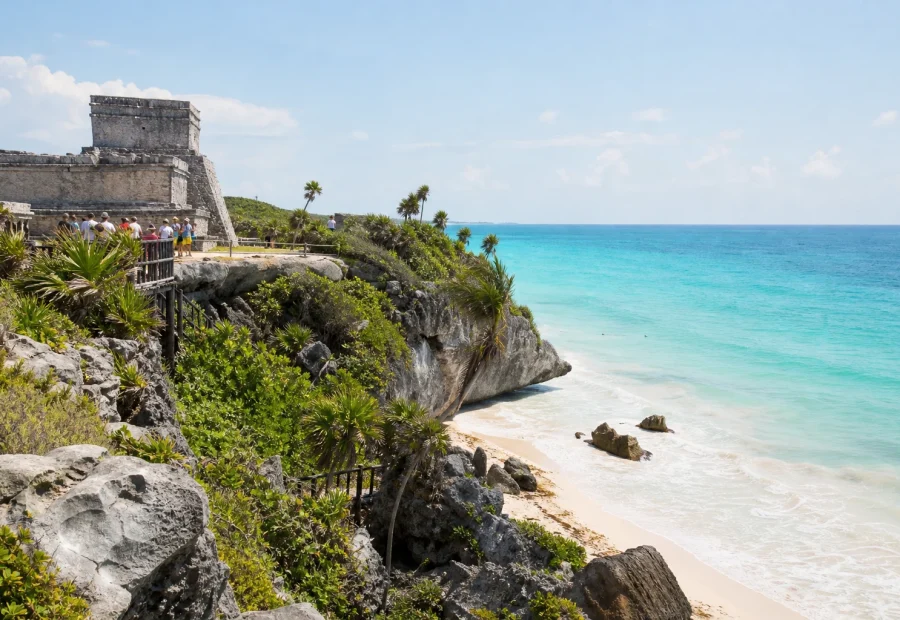
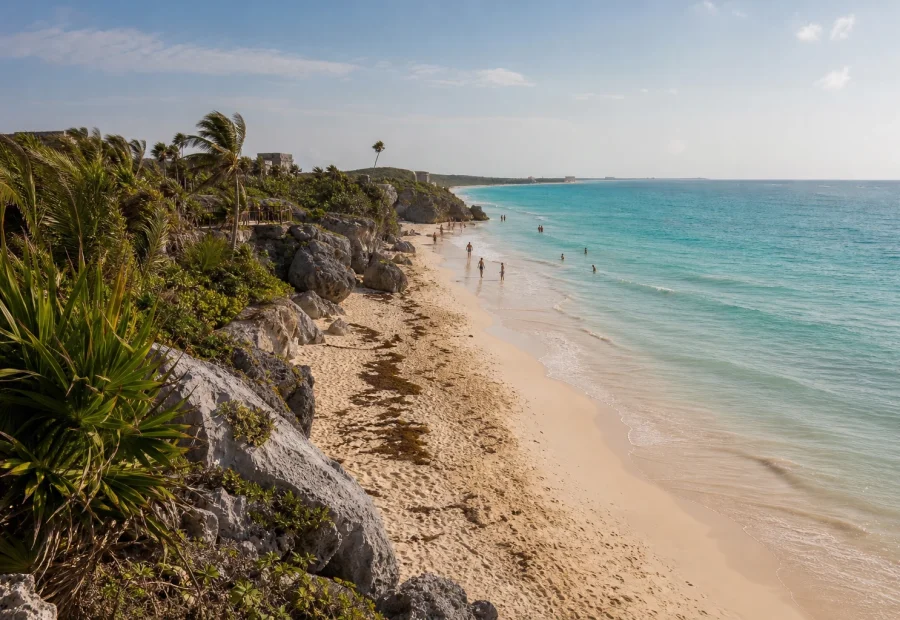
If your idea of Tulum is white sand, bright turquoise water, and a long swim before lunch, start on North Playa. In this beach area of Tulum, Playa Paraiso, Las Palmas, and Playa Ruinas give you crystal clear water, soft white sand, and an easy beach day with postcard views. Playa Ruinas adds a dramatic backdrop with ruins above the shore.
You should know the sun means business here. Public stretches have little shade, so bring water and plan ahead. If you want the simplest setup, book a beach hotel and roll straight from breakfast to the sea. That wake-up-and-go access feels good when you want an early swim, fewer people, and sand still cool under your feet before the crowds arrive each day. These spots are often considered Tulum’s top beaches for travelers chasing sun, sand, and serenity.
All-Inclusive! Tulum Ruins, Tequila Tasting + Swim in 3 Cenotes in Small Group!
At Authentic Tours Tulum we believe in giving back to our community by utilizing locations, restaurants, and employe...
Tulum Ruins Guided Tour from Cancun and Riviera Maya
- Experience the ancient city of Tulum with our knowledgeable guides. - Enjoy our small group format and attention t...
Chichen Itza with exclusive Cenote Maya and Valladolid free time
Discover the impressive archaeological site of Chichén Itzá, then cool off with a swim in a beautiful cenote at ou...
Are Tulum Beach Clubs Worth the Money?
If you want a cushioned daybed, real shade, and a cold drink within reach, a Tulum beach club can feel like a smart upgrade since much of the public beach offers little cover. You’ll pay more for that comfort, though, and the mood changes fast from place to place, from DJ-driven party spots to calmer lounges where the soundtrack is mostly waves and clinking glasses. To decide if it’s worth it, you should match the price to what you actually want for the day and pick a vibe that won’t make your wallet, or your ears, regret it.
Cost Vs Experience
While Tulum’s beach clubs can look overpriced at first glance, they often make more sense when you think about the kind of beach day you want. The real cost vs experience question is simple: on Tulum Beach, do you want to spend for shade, a chair, and lunch in one easy visit, or patch it together yourself?
- Day passes at Nomade, Umi, or Libelula buy you loungers, umbrellas, and attentive service.
- Public beaches like Las Palmas look dreamy, but you’ll usually pay extra for shade.
- Food arrives to your chair, so you skip coolers, bags, and sweaty setup.
- A single booking can cover transport, lunch, and comfort in one smooth visit.
- If you hate hunting for space under blazing sun, the spend feels smarter.
Choosing The Right Vibe
Price only tells half the story on Tulum Beach. If you want music, shade, and drinks brought around between swims, beach clubs can feel worth it. If your budget is tight, a cenote day club may beat the coast because bundles often include food, music, and even spa extras.
| Vibe | Go | Why |
|---|---|---|
| Party | Taboo, Mia | DJs, pool, service |
| Chill | Papaya, Libelula | Softer beats, beautiful sand |
| Stylish | Nomade | Dining and Tulum mood |
| Value | cenote day club | Bundles more for less |
For a calmer vibe, head farther down the Hotel Zone or try public beaches near North Playa, but you’ll usually pay extra for chairs and shade anyway. Choose the scene, not just the bill. Beautiful views are free, but comfort rarely is in Tulum too.
Which Tulum Cenotes Are Worth Your Time?
For sheer variety, Tulum’s best cenotes each give you a different kind of swim. You can float through caves, leap from platforms, or slip into clear water before the crowds arrive. Each stop feels like your own little cave adventure.
From cave drifts to cliff jumps, Tulum’s cenotes turn every swim into its own small underground adventure.
- Dos Ojos lets you snorkel a vast cave system, drift in a life jacket, and spot underwater life.
- Cenote Escondido + Cenote Cristal work best together: Cristal brings a jump platform, while Escondido feels quieter.
- Gran Cenote is easy to enter by wooden platforms, so go early before it turns busy.
- Cenote Calavera drops you into a sunken pool, then makes you climb out by ladder.
- Cenote Car Wash (Carwash Cenote) is an easy open-air stop, but entry and camera fees can sneak up.
What Should You Do in Tulum Town?
After a morning of cenotes or beach time, head into Tulum Pueblo, where the pace slows and the streets feel made for wandering. In Tulum town, you can shop, sip cheaper cocktails, and eat at Bonita, Burrito Amor, or Palma Central. Bring pesos, since ATMs thin out once you walk away from Pueblo. Use the beach-town split smartly. Spend the day by the water, then spend a day exploring local streets and maybe Tuesday salsa after bachata class. If beach clubs drain your budget, town feels like a Great day trip, with better prices and easy nightlife.
| Town stop | Why you’ll linger |
|---|---|
| Shops | Easy gifts and sandals |
| Bonita | Bright bowls and coffee |
| Burrito Amor | Big wraps and juices |
| Palma Central | Tacos, music, Tuesday dancing |
All-Inclusive! Tulum Ruins, Tequila Tasting + Swim in 3 Cenotes in Small Group!
At Authentic Tours Tulum we believe in giving back to our community by utilizing locations, restaurants, and employe...
Tulum Ruins Guided Tour from Cancun and Riviera Maya
- Experience the ancient city of Tulum with our knowledgeable guides. - Enjoy our small group format and attention t...
Chichen Itza with exclusive Cenote Maya and Valladolid free time
Discover the impressive archaeological site of Chichén Itzá, then cool off with a swim in a beautiful cenote at ou...
Is Sian Ka’an Worth a Tulum Day Trip?
Wondering whether Sian Ka’an deserves a whole day on your Tulum trip? Yes, especially if you want wildlife, shifting ecosystems, and a wilder part of Mexico than the beach strip.
Yes—if you want wildlife, shifting ecosystems, and a wilder side of Mexico beyond Tulum’s beach strip, Sian Ka’an earns the day.
- Muyil works best for a day exploring, with ruins and a lazy float through ancient canals.
- Punta Allen offers stronger wildlife odds, but usually needs a booked guided tour or longer stay.
- You might spot manatees, crocodiles, dolphins, turtles, and noisy birds.
- The reserve spans over 2,000 square miles, so travel time matters.
- Tours can mix boat rides, reef snorkeling, and sunset bird watching, which fits ultimate Tulum travel.
If you’re asking whether Sian Ka’an worth a day trip, the answer is yes for first timers who crave nature, water, and fewer crowds overall.
Should You Visit Coba From Tulum?
If Sian Ka’an is your nature day, Coba is your jungle ruins day. You can reach Coba in about 45 minutes to one hour, so it’s one of Tulum’s easiest archaeological escapes. The Great draw is motion. You rent a bike, pedal shady sacbé paths, and roll between temples with birds calling overhead.
| Why go | What you get |
|---|---|
| Easy trip | 45 to 60 minutes |
| Big site | Nohoch Mul Pyramid |
| Best vibe | Bikes through jungle |
It feels active and spacious, with roots under your tires, warm stone in the sun, and fewer megaphones in your ear today. In this Guide to Tulum, choose Coba if you want a less tour-bus feel. Plan at least one cenote stop.
Is Chichen Itza Worth a Tulum Day Trip?
Although it sits about two to two and a half hours from Tulum, Chichén Itzá is absolutely worth the day trip for most first-timers. You get a world-famous archaeological site in one straightforward outing, so I highly recommend going early. At 8:00am, the stone feels cool, the plazas sound calmer, and you can still dodge the bus crowds.
Chichén Itzá is an easy, worthwhile day trip from Tulum—especially if you arrive early and beat the crowds.
- Book tickets ahead if possible, because entry lines can snarl your morning right at the gate.
- Bring water and a big hat. The sun gets bossy fast.
- Choose a rental car or tour bus. Either keeps the route simple.
- Hire tour guides for 60 to 90 minutes in English or Spanish.
- It’s a good idea since Chichén Itzá gives you major history without extra lost days.
Where Should You Eat in Tulum Beach and Town?
For meals, Tulum really gives you two different cities. On the beach, you pay for the scene as much as the food. Upscale hotel zone dinners often run $50 or more per person, and the busiest spots usually need reservations. It’s a good pick for a long sunset dinner with sand under your chair.
If you want better value, head to Tulum town. In Pueblo, small local places can cost just $3 to $5 per person. Try Bonita, Burrito Amor, or Palma Central for casual bites and drinks every day. For a cenote trip, grab oats, fruit, or trail mix at Gypsea Market, or stop at Liefs for vegan fuel. Chase taco stands too, and carry pesos because some counters are cash only there.
Frequently Asked Questions
Do You Need Cash in Tulum, or Are Cards Widely Accepted?
Cash is your lifeline in Tulum; cards work widely, but you’ll need pesos for local transit options, day trip planning, certain best beach areas, lower restaurant price ranges, and safer spending for safety at night.
Can You Drink Tap Water in Tulum?
No, you shouldn’t drink tap water in Tulum; common contamination makes filtered options and bottled brands smarter. For Emergency hydration, choose sealed water, and ask about safer cenotes if you’re swimming or accidentally swallowing water.
What Should First-Timers Pack for Tulum’s Climate and Cenotes?
Pack light yet prepared: you’ll need Lightweight clothing, cenote swimwear, reef safe sunscreen, mosquito repellent, and waterproof dry bags. Tulum’s heat drenches you, while cenotes cool you, so you’ll stay comfortable and ready all day.
Do You Need to Speak Spanish in Tulum?
No, you don’t need Spanish in Tulum; English works widely. Learn basics for local etiquette tips, use tourist transportation options smartly, ask best time visiting, practice common scams awareness, and enjoy must try local food.
Is Wi-Fi Reliable in Tulum for Remote Work?
Yes—Tulum’s Wi‑Fi can be your lighthouse, but you’ll work best from coworking spaces and Best coffee spots; check mobile data coverage, avoid public beach Wi‑Fi, and schedule uploads during reliable internet hours for fewer disruptions.
Conclusion
Tulum rewards your first visit with bright beaches, breezy bike rides, and cenotes cool as caves. You can split your stay between the Beach Zone’s polished sands and Pueblo’s taco stands, then slip off to ruins, reefs, or the wild reaches of Sian Ka’an. Give yourself four days, go between November and March, and keep pesos handy. You’ll leave with salt on your skin, jungle dust on your sandals, and plans to come back soon.
Tulum Ruins Guided Tour from Cancun and Riviera Maya
- Experience the ancient city of Tulum with our knowledgeable guides. - Enjoy our small group format and attention to detail through the Mayan’s mos...
Tulum Ruins, Cenote Cave, and Turtle Swimming Tour
A guided tour of the Tulum Mayan ruins, swimming with sea turtles in Akumal and a jungle oasis cenote swim in the Ri...