Just 20 minutes from Tulum, Cenote Dos Ojos splits into two surreal cave worlds—learn the best route, timing, and what most visitors miss.
Is the theory true that Cenote Dos Ojos gives you two cave worlds in one stop from Tulum? You drive about 20 minutes north, step into cool 25°C water, and float over white sand under sharp beams of light. One eye glows blue. The other turns quiet and shadowy. Add easy access and clear navigation lines, and you’ve got a trip that seems simple until the details start to matter.
Key Takeaways
- Cenote Dos Ojos is about 19 km north of Tulum, roughly 20 minutes by car via Highway 307.
- Drive, take a taxi, or ride a colectivo to the highway entrance, then walk about 2 km down the dirt road.
- Arrive early, especially on weekends, for calmer water, fewer crowds, and stronger morning light in the western eye.
- Expect crystal-clear sapphire water, a white sandy floor, stalactites, and the contrasting Blue Eye and Black Eye cenotes.
- Entry is about 350 pesos; bring a swimsuit, towel, water shoes, and avoid sunscreen before swimming.

Tulum Cenote DOS OJOS Unforgettable Scuba Dive Tour
Get ready for a once in a life time experience as we take you through the world’s largest underwater cave system and one of Tulum’s most iconic ce...

Go for 2 dives in cenote Dos ojos for certified divers
Diving in a cenote is like floating in another universe. It’s like evolving on a turquoise planet full of sacred h...

Discovering Breathtaking Cenotes in Tulum
Booking a tour that includes Cenote Dos Ojos and Cenote Manati is a must-do experience for any traveler looking to e...

Tulum Area Experiences 2 Tank Guided Scuba Dives at Dos Ojos Cenote's + Lunch
This very unique 2 tank scuba dive is conducted by professional dive guides who will take you to some not so well kn...
Why Visit Cenote Dos Ojos?
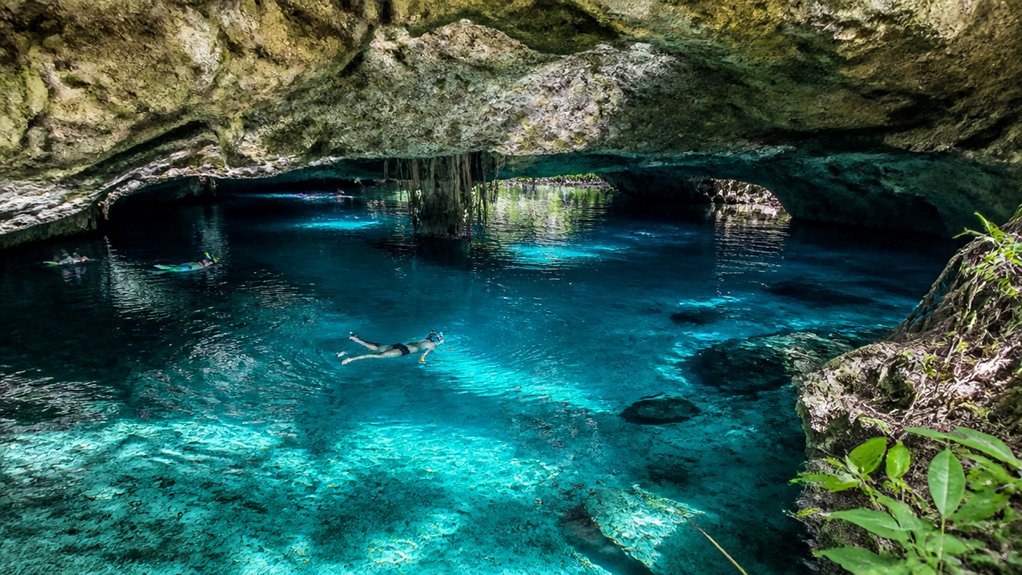
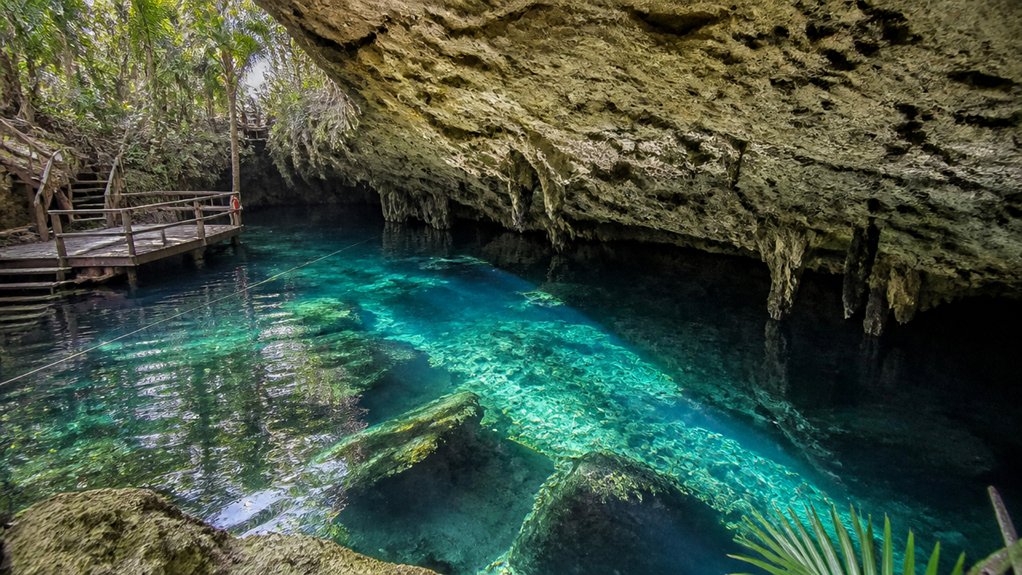
Why make time for Cenote Dos Ojos when Tulum has so many cenotes? You come for the double personality. Cenote Dos Ojos pairs the broad Blue Eye with the moodier Black Eye, and both glow with crystal-clear water. As you snorkel, the white sandy floor brightens the whole scene, while stalactites and stalagmites hang above and rise below like a stone gallery.
If you dive, the underwater cave system opens up even more. Easier routes like the Barbie Line let you glide through striking formations at modest depth. The Bat Cave line adds a larger air-filled dome and a darker, more dramatic feel. Year-round water stays around 25°C to 26°C, so you won’t get a nasty cold shock. That’s always nice on a hot day. It’s also widely considered one of the best cenotes near Tulum for both snorkeling and cave diving.
How Far Is Dos Ojos From Tulum?
How close is it, really? If you’re wondering how far is dos ojos from tulum, the answer is pleasantly short. Cenote Dos Ojos sits about 19 kilometers north of town, and you’ll usually reach the area in around 20 minutes along Highway 307. That puts it in the Dos Ojos and Sac Actun zone between Tulum and Akumal, close enough to feel easy but far enough to trade traffic for jungle hush. It’s also one of the best day trips from Tulum if you want something easy to reach without losing the sense of adventure. Once you arrive, you’re at a cave system with two famous entrances: the bright Blue Eye, great for snorkeling, and the deeper Black Eye. A 40 meter passage links them underground. Even from Playa del Carmen, Dos Ojos is only about 45 minutes away, so it fits into a half day adventure.
How Do You Get to Dos Ojos?
Best of all, getting to Dos Ojos is pretty simple once you point yourself north from Tulum on Highway 307 toward Cancun. About 20 minutes later, you’ll spot the signed turnoff for Dos Ojos Park and head down the access road. If you’re arriving without a car, the Maya Train can make reaching Tulum easier before continuing onward to Dos Ojos by taxi or colectivo.
If you’ve rented a car or grabbed a taxi, you can drive straight to the entrance and use the free parking. Just set up your return taxi in advance, since drivers don’t usually hang around. If you’re taking a colectivo, ask to be dropped at the park entrance on Highway 307. It costs around 40 pesos. From there, you’ll walk about 2 kilometers down a dusty dirt road to the water. The route also works if you’re coming from Playa del Carmen too.
When Should You Visit Dos Ojos?
You’ll get the best mix of calm water and fewer people if you arrive early, especially on weekends, when Dos Ojos feels more peaceful and the sounds stay to dripping water and fins. If you can, pick a weekday, give yourself a full day for both entrances, and snorkel sooner in the morning when the western eye catches stronger natural light and the water looks extra clear. Since the water stays around 25°C to 26°C year-round, you won’t plan around temperature so much as crowd levels, daylight, and whether you want time for a proper Bat Cave Line briefing. For first-time visitors, arriving early also makes the experience feel less rushed and easier to navigate.

2 cenote divings (including one deep diving) for advanced divers in Tulum
Diving in a cenote is like floating in another universe. It’s like evolving on a turquoise planet full of sacred h...

2 tanks Cenote Diving Adventure in Tulum for Certified Divers
Diving in a cenote is like floating in another universe. It’s like evolving on a turquoise planet full of sacred h...

Nature Adventure at Cenote 2 Ojos and Gran Cenote! Tulum Ruins
Explore the best of Tulum in a single, well-rounded day filled with culture, nature, and authentic local experiences...
Best Time Of Day
In the early morning, Dos Ojos feels calmer, cooler, and much easier to enjoy, especially since this popular cenote can get busy on weekends and around midday. If you’re snorkeling, aim for late morning light through the western eye, because the Barbie Line looks bright, clear, and wonderfully relaxed. For budget explorers, going early can also help you enjoy a more peaceful visit before the busiest hours.
| Time | Why go |
|---|---|
| Early | Calmer between both eyes |
| Late morning | Best light on Barbie Line |
| Earlier dive | Easier Bat Cave control |
| Any comfortable hour | Cool 25–26°C water |
Go earlier for Bat Cave Line too. You’ll have calmer water for strong finning and careful buoyancy, so you won’t puff up white sand. With two entrances and a connecting passage, a quieter hour lets you move between the broad eye and the deeper one without feeling rushed.
Weekday Vs Weekend
On a weekday morning, Dos Ojos feels easier to enjoy from the moment you reach the park. You’ll usually find fewer people at the entrance, less waiting near the main chamber, and smoother access to the Barbie Line and Bat Cave Line areas. If you’re snorkeling, that calmer flow matters. The water stays astonishingly clear, and you’ll notice fewer fins, bubbles, and splashy traffic around the drift sections.
On a weekend, the park gets busier, especially by midday and parking tight. Guided groups often bunch up at the Blue Eye and Black Eye entrances, so you may spend more time pausing than exploring. If you’re coming from Tulum and want the most relaxed visit, go early on a weekday. Your mask will thank you. For travelers planning free experiences around Tulum, choosing the right day here also helps stretch your budget by making the visit feel more worthwhile.
Season And Weather
After you pick the right day, the season matters less at Dos Ojos than many first-time visitors expect. The water stays near 25 to 26°C year-round, so weather rarely makes snorkeling feel too cold. Winter can feel slightly cooler, especially if you dive, since Dos Ojos often feels a bit colder than the Caribbean Sea. For the best cave glow, choose a bright day. Sunlight from the western entrance creates those clear, refracted beams underwater. If you want to turn your cenote day into a full coast outing, Tulum’s top beaches are ideal for extra sun, sand, and serenity.
- Bright skies give you better light in the passageways.
- Early starts help you dodge weekend and midday congestion.
- Warm afternoons are nicest if you want hammocks, lawn time, or sunbathing.
If you’re pairing nearby cenotes around Sac Actun, go early regardless of season. Your photos and patience will thank you.
How Much Does Cenote Dos Ojos Cost?
Wondering what Cenote Dos Ojos will do to your budget? At Ojos Cenote, standard entry usually runs about 350 Mexican pesos per person, which makes it pricier than many cenotes around Tulum. If you didn’t pack gear, snorkel rental is about 100 pesos, and extras like life vests or lockers can nudge your total higher.
If you book through a tour company, you may see snorkeling experiences from around $46, with guided options climbing from there. Certified divers should budget at least 1,500 pesos for local packages. Third party sites sometimes list two dive trips from about $114, while other options jump closer to $180. In short, plan for entry, gear, and maybe a guide, because this blue wonder doesn’t exactly come cheap either. If you’re comparing options, Cenote Escondido is often mentioned as another Tulum favorite with a very different budget and vibe.
Still comparing Cenote Dos Ojos?
Ask for tour ideas, hotel suggestions, or a simple trip plan that combines both.
Trip Helper
What Entry Rules Apply at Dos Ojos?
Dos Ojos isn’t a free-for-all swim hole, and that’s part of what keeps it so striking and safe. You’ll choose between Blue Eye and Black Eye, but access still follows set routes, especially if you dive with a guided tour. Like the Tulum Ruins tickets, entry procedures at major Riviera Maya sites often come with specific rules and visitor guidance.
- Stay on the cave navigation line and keep your gear tidy.
- Leave prohibited items, including knives, out of the water.
- Keep two flashlights on, follow depth limits, and space about 2 meters apart.
At Dos Ojos, recreational divers usually stay where sunlight remains visible. Your guide controls turnaround points too, with routes like Barbie Line around 8 meters and Bat Cave near 10. It’s orderly, yes, but that structure lets the cenote feel wild without getting reckless. Think of it as adventure with guardrails.
What Facilities Does Dos Ojos Have?
At Dos Ojos, you’ll find on-site bathrooms, lockers, and a simple setup that makes changing and stashing your stuff easy. If you didn’t bring your own gear, you can rent snorkels, life vests, and more, and you can book a guide if you’d like help finding the best routes. You can grab snacks between swims and park for free, which feels like a small vacation miracle in the jungle. If you’re comparing cenotes in the area, Casa Cenote in Tulum is another popular option known for its own unique jungle setting.
Bathrooms And Amenities
If you like your jungle swim with a few practical comforts, Cenote Dos Ojos makes the day easy. You won’t be roughing it here. On-site bathrooms let you rinse off and reset between dips, and locker rentals keep your clothes, phone, and car keys safely tucked away while you explore Cenotes Dos.
- Bathrooms on-site for quick pre-swim and post-swim stops
- Lockers for valuables so you can move freely
- Snack shop and free parking for an easier visit
The snack stand is handy when you want water or a simple bite before the drive back toward Tulum. Free parking also removes one small travel headache. After bigger outings like Chichen Itza, those basics feel surprisingly luxurious in the middle of the trees on hot days. Back in town, many travelers like to reward themselves with a meal at one of the best Tulum beach restaurants after a cenote day.
Gear Rentals And Guides
Because the water is the main event here, Cenote Dos Ojos makes it easy to show up without hauling a trunk full of equipment. You can rent snorkels, life vests, and lockers on site, so you don’t have to juggle wet towels and loose valuables before your swim. For most snorkelers, a life jacket is the go to extra, and you likely won’t need a wetsuit in the clear, cool water. As one of the area’s best snorkeling tours, Dos Ojos also appeals to travelers who want an easy, well equipped cenote experience near Tulum. If you want more than a casual float, Dos Ojos also supports guided dives. Professional cave guides lead certified divers along famous routes like the Barbie Line and Bat Cave. Dive packages can include extra gear, tanks, and entry support, which keeps your setup simple and lets you focus on the blue hush below.

Coba and Cenote Private Day Trip from Tulum
Enhance your transfer by selecting one of three optional cenote stops, or choose your own along the way. Visit Cenot...

Private Day Trip: Chichen Itza, Valladolid and Two Eyes Cenote
Explore the wonders of Yucatán on this unforgettable private day trip from Tulum. Visit the iconic Chichen Itza, on...

Tulum Discover Scuba Diving: Wonders of the Underwater World
Are you ready to explore a whole new world underwater? Join us on our Discover Scuba Diving tour in Tulum, where you...
Food And Parking
- Free parking and bathrooms near the main access
- Snacks, drinks, and cash-friendly purchases on site
- Lockers and rental gear so your stuff stays dry
Because both entrances sit inside the same park, you can plan a full day here. Bring cash for small purchases, stash your belongings securely, and enjoy the rare luxury of jungle adventure with useful basics close by all day. Travelers comparing cenotes around town often also look at Secret Cenote Carwash when deciding which Tulum-area swim spot best fits their day.
What Should You Bring to Dos Ojos?
When you pack for Dos Ojos, keep it simple and water-ready: bring a swimsuit, a towel, and water shoes or flip-flops since you’ll step through more than one shallow, rocky area on the way in. Skip sunscreen, even biodegradable sunscreen, before you swim because cenote water is sensitive, and follow any rinse or shower rules on site. If you’re snorkeling, you can stick with your swimsuit and a life jacket because the water stays around 25 to 26°C. If you’re diving, plan on using the provided 5 mm neoprene and booties, and remember the cave route requires two flashlights. Snorkel gear is often available to rent, so you don’t need to haul every fin. Still, your own towel and footwear will feel like packing. Since cenotes are among the best things to do in Tulum for first-time visitors, it also helps to bring a waterproof phone pouch or dry bag for the rest of your day.
What Is Cenote Dos Ojos Like Inside?
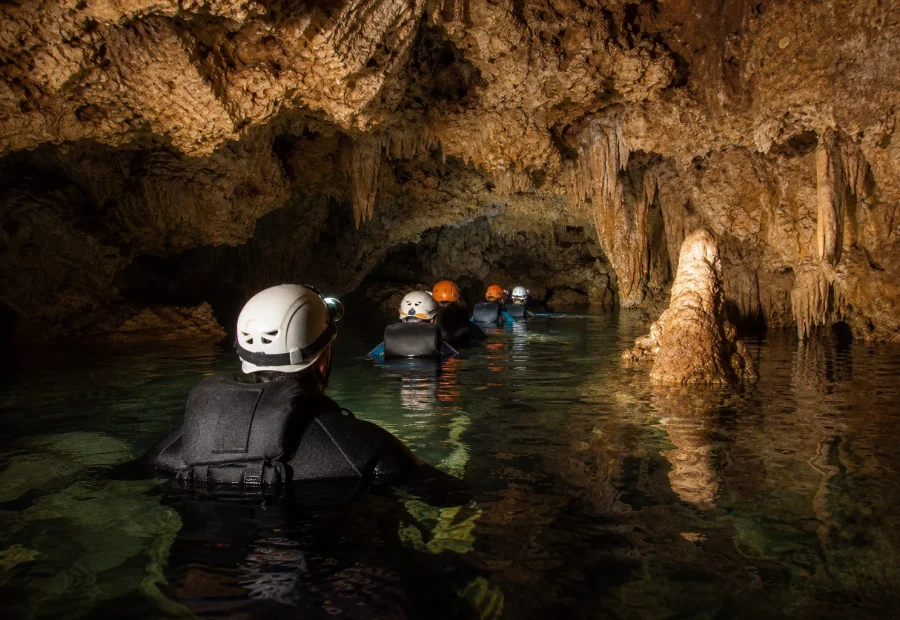
Once you slip into Dos Ojos, you float through crystal clear caverns where the white sand floor and glassy water make everything look almost weightless. Above you, stalactites hang from a colorful dome, and shafts of sunlight cut through the chambers like stage lights. You can snorkel from the brighter Blue Eye, or follow one of two underwater routes from the shared entry if you want darker passages, bats, and even a Barbie with a crocodile problem. Like Cenote Calavera, Dos Ojos offers that hidden-oasis feeling Tulum cenotes are known for.
Crystal Clear Caverns
Inside, Cenote Dos Ojos feels less like a swimming hole and more like a flooded cathedral with two front doors. You enter crystal clear caverns through the Blue Eye or Black Eye, then glide above a white sand floor while the water looks almost weightless. Wooden platforms make gearing up easy, and marked guide lines keep routes organized. If you are planning more water adventures nearby, many Tulum boat tours pair well with a cenote day for a fuller Riviera Maya experience.
- Blue Eye gives you wider views and vivid blue visibility.
- Black Eye feels smaller, deeper, and more mysterious.
- A 40 meter passage links both entrances into one underwater world.
If you dive, you’ll usually start in a huge chamber, then follow the easier Barbie Line or fin carefully toward the Bat Cave. Either way, Cenote Dos Ojos keeps you curious from your first kick to exit.
Stalactites And Light Beams
Although Cenote Dos Ojos is a cave, it doesn’t feel gloomy for long. You step into main chambers where a white sand floor brightens everything beneath you. Above, the dome blooms with stalactites and stalagmites in white, ocher, orange, and black, so the ceiling looks decorated rather than severe. Sunlight slips through the two entrances and breaks into clean refracted beams that stripe the water and walls. The effect feels oddly weightless, as if the cave has its own slow motion filter. At the western Blue Eye, the chamber opens wider and the water turns a richer blue, which makes the light even stronger. Even the quiet seems textured here. You hear soft drips, see shifting glow, and forget you’re inside a cave at all. If you’re planning more swimming stops after this, Yal-Ku Lagoon also makes an easy day trip from Tulum.
Snorkeling And Dive Routes
Those light beams also help you read the cave like a map. You drop into a big chamber with a white-sand floor and water so clear it looks edited. At Dos Ojos, snorkelers usually enter through the calmer Blue Eye, while scuba divers often use the Black Eye platform near the deeper section. From there, guides lead two classic routes:
- Barbie Line loops right, passes the famous doll, and tops out around 8 m.
- Bat Cave line goes left to a huge bat-filled dome and stays under 10 m.
- Strong finning and buoyancy matter here, unless you want to dust the cave like an awkward houseguest.
You can swim as long as you like, and snorkeling trips reach features near the bat dome with a guide. It’s one of the best Tulum adventure tours for travelers who want an easy mix of cave scenery, snorkeling, and diving in one stop.
Is Dos Ojos Good for Snorkeling?
Few places make snorkeling feel this surreal, and yes, Dos Ojos is one of them. You slip into clear sapphire-turquoise water, drift above a sandy bottom, and watch light play across rock formations in mostly shallow sections. It feels like entering a different world, but one that’s easy to enjoy without being a deep-water pro. You can usually swim and snorkel around the cenotes on-site for as long as you like, and rentals for snorkels, life vests, and lockers make logistics simple. The water runs cooler than the Caribbean at about 25 to 26°C, yet you probably won’t need a wetsuit. If you want more cave scenery, guided snorkeling can reveal more, while divers follow separate routes and the whole place stays quietly mesmerizing. It’s also a standout stop if you’re exploring Tulum’s scuba diving tours, since Dos Ojos is widely known for its underwater cave scenery.
What Is the Blue Eye Route?
You’ll usually enter the Blue Eye route from the main area, where the broader opening and deep blue water make it the easygoing side for snorkeling. With more sunlight pouring in, you get clearer views, calmer drifting, and those bright underwater rock shapes that make you stop and stare for a second. If you’re following a cavern-style route, this access often links with the right-hand Barbie Line toward the western eye, but it’s also the side where you can keep things simple and just enjoy the show. Like Cenote Cristal, it offers a more relaxed way to enjoy Tulum’s freshwater scenery without needing an advanced cave-diving setup.
Blue Eye Route Overview
Clarity sets the tone at the Blue Eye route, the broader deep blue entrance at Cenote Dos Ojos and the side most people choose first for snorkeling. You step into a massive chamber with a white sandy bottom, clear water, and stronger natural light, so the route feels open and easy to read.
- Better light helps you relax and get oriented fast
- The entry is broad, so Blue Eye feels less intimidating
- It links into the shared Dos Ojos circuit with clear route lines
Since Blue Eye connects to Black Eye by a roughly 40 meter passage, your choice is mostly about where to begin. If you want an easier first impression, start here and let the cave system introduce itself at your pace.
Tulum Cenote DOS OJOS Unforgettable Scuba Dive Tour
Get ready for a once in a life time experience as we take you through the world’s largest underwater cave system a...

Tulum Private Day Trip with Car and Walk
Join this private full-day journey from Tulum and travel deep into southern Quintana Roo to discover one of the Yuca...

Dos Ojos Cenote Cavern Dive- The Barbie Line and The Bat Cave
The name Dos Ojos (Meaning Two Eyes) originates from the two circular cenotes which are located close to each other...
Sights Along The Route
Because the Blue Eye opens into a broad chamber with a white-sand floor, this route feels more like a grand first look than a tight cave squeeze. You enter the clearest, best-lit side of Dos Ojos, where sunlight turns the water a deeper blue and makes the pale bottom glow. As you move through the linked cenotes, you notice clean limestone walls, gentle shadows, and rock formations that seem carved for a movie set. Many divers continue toward the western eye, following the familiar line through the 40 m passage. Along the way, the route serves up easy visibility and a few naming cues, including the playful Barbie Line prank. Compared with the darker Black Eye, this side keeps things open, calm, and inviting.
Which Dos Ojos Dive Routes Stand Out?
Once you drop into the main chamber, Dos Ojos makes its split personality obvious: both classic cave dives start from the same white-sand basin of astonishingly clear water, then branch into the Barbie Line on the right and the Bat Cave Line on the left.
Guides watch air, so you should reach the landmark with two-thirds remaining for safety. You’ll feel the contrast fast.
- Barbie Line stays brighter, loops on a loop at 8 m, and the Barbie doll prank means you’re already heading home.
- Bat Cave Line pushes focus harder, drops to 10 m, and ends in a giant dome alive with bats.
- If you want more sunlight and less squeeze, choose Barbie. If your trim is sharp, Bat Cave rewards clean finning.
Is Cenote Dos Ojos Beginner-Friendly?
If you’re wondering whether Cenote Dos Ojos works for beginners, the short answer is yes. For snorkeling, you step in by stairs, pull on a life jacket, and float through clear, shallow water around 25°C to 26°C. You drift above white sand and rock formations with that unreal, different-world visibility, not tricky navigation. If you’re a certified new diver, Cenote Dos Ojos still feels beginner-friendly. The main routes stay fairly shallow, and fixed lines help keep things organized. You’ll do simple gear and weighting checks, use a flashlight, and keep steady spacing. Your biggest test isn’t depth. It’s staying calm in cool, low-light cave conditions and holding buoyancy so you don’t puff up the silt. Fins love drama less here than your average pool session.
Do You Need a Guide at Dos Ojos?
While Dos Ojos feels easy to enter, whether you need a guide depends on how you plan to see it. If you’re snorkeling, you can usually explore the main swimming area on your own after walking down the steps and renting a vest, snorkel, or locker inside the park.
- Snorkeling stays simple and flexible.
- Scuba diving requires a professional guide, lights, and line navigation.
- The Bat Cave route especially calls for precise buoyancy and strong finning.
On guided dives at Dos Ojos, groups stay small, usually four divers max, with about two meters between each person. Your guide handles weighting, the golden main line, and the thinner white fork markers, so you can focus on the surreal blue water under pale limestone arches and shadows.
Tulum Cenote DOS OJOS Unforgettable Scuba Dive Tour
Get ready for a once in a life time experience as we take you through the world’s largest underwater cave system a...
Go for 2 dives in cenote Dos ojos for certified divers
Diving in a cenote is like floating in another universe. It’s like evolving on a turquoise planet full of sacred h...
Discovering Breathtaking Cenotes in Tulum
Booking a tour that includes Cenote Dos Ojos and Cenote Manati is a must-do experience for any traveler looking to e...
How Safe Is Cenote Dos Ojos?

Although Cenote Dos Ojos looks like a portal into another world, it’s generally very safe when you follow the park’s rules and use the gear they recommend. If you dive, keep your flashlight always on, stay about two meters from other divers, and follow the marked guide lines. Recreational routes remain in the daylight zone, not the true cave. The water is clear, so make sure you’re properly weighted and avoid kicking up silt. It also feels cooler than the Caribbean at 25 to 26°C, so wear the wetsuit they suggest. If you snorkel at Cenote Dos Ojos, use the life jacket, walk down the steps, and enjoy the calmer shallow drift. No superhero moves needed here unless your cape packs its own flashlight.
How Long Should You Spend at Dos Ojos?
Your timing at Dos Ojos depends on how you want to experience it. If you’re snorkeling the shallow, sunlit sections of Cenote Dos Ojos, set aside 1 to 2 hours. Want the full Crystal Water route, plus hammock time and a snack after your cenote tour? Plan for 3 to 4 hours.
- Snorkel only: 1 to 2 hours, especially with rental gear and a life jacket.
- Full snorkel visit: 3 to 4 hours for the route, lawn, hammocks, and snacks.
- Diving: half a day to a full day with briefings, the easy Barbie Line, or the trickier Bat Cave Line.
Come early. Midday crowds can steal precious underwater minutes. Weekends get busy, and Bat Cave usually takes longer than the calmer Barbie route.
Which Cenotes Pair Well With Dos Ojos?
So which cenotes make the best second stop after Dos Ojos? If you want contrast, head to Casa Cenote for open-water snorkeling, a clear upstream stretch, a U-shaped turn-around, and possible manatee sightings. Prefer easy logistics? Grand Cenote gives you rentals, lockers, shallow sandy zones, and that super freezing shower before you enter. Right on the same side road, Cenote Jaguar adds fish, mangroves, and an optional zip line, which feels like a playful bonus. For a cave-heavy follow-up, book a guided Cenote Sac Actun tour. It’s dark, long, and about an hour underground within the wider Sac Actun and Dos Ojos system. Or choose Calavera near Tulum if you want clear water and a 4 meter jump through those famous narrow holes there.
Frequently Asked Questions
Can You Pay by Card at Cenote Dos Ojos?
You shouldn’t count on paying by card at Cenote Dos Ojos; bring cash instead. For the Best time to visit, go early, and for what to bring, pack pesos, swim gear, and sunscreen-safe essentials too.
Is Cenote Dos Ojos Wheelchair Accessible?
No, you can’t count on Cenote Dos Ojos being fully wheelchair accessible; you’ll face steps, uneven terrain, and water-entry ladders. For safety and etiquette, contact staff ahead. Best time to visit: early, when assistance’s easier.
Are Drones Allowed at Cenote Dos Ojos?
You can’t confirm drones are allowed at Cenote Dos Ojos, so ask the park desk before you arrive. Follow Safety rules, know what to bring, and check the best time to visit for fewer crowds.
What Wildlife Might You See Around Dos Ojos?
At one cavern, you might see hundreds of bats overhead; around Dos Ojos, you’ll spot small turtles, tiny fish, and birdlife near trails. Wildlife seasonality affects sightings, and clearer, unstirred water lets you see more.
Is There Cell Service or Wi-Fi at Dos Ojos?
You’ll find spotty cell service and unreliable Wi‑Fi at Dos Ojos, mainly near entrances, so download beforehand. During Diving certification options or Guided tour timing, you shouldn’t count on using your phone underground or snorkeling.
Conclusion
From Tulum, you can trade highway dust for sapphire silence in about twenty minutes, then spend a few easy hours floating above white sand and shadowy stone. Dos Ojos gives you two moods in one stop, bright Blue Eye and brooding Black Eye, with clear water, cool comfort, and simple access. Pack cash, basic snorkel gear, and your curiosity. You’ll leave salty, smiling, and a little smug about finding a classic that still feels secret.
Tulum Cenote DOS OJOS Unforgettable Scuba Dive Tour
Get ready for a once in a life time experience as we take you through the world’s largest underwater cave system and one of Tulum’s most iconic ce...
Go for 2 dives in cenote Dos ojos for certified divers
Diving in a cenote is like floating in another universe. It’s like evolving on a turquoise planet full of sacred h...
Tulum Area Experiences 2 Tank Guided Scuba Dives at Dos Ojos Cenote's + Lunch
This very unique 2 tank scuba dive is conducted by professional dive guides who will take you to some not so well kn...
Discovering Breathtaking Cenotes in Tulum
Booking a tour that includes Cenote Dos Ojos and Cenote Manati is a must-do experience for any traveler looking to e...