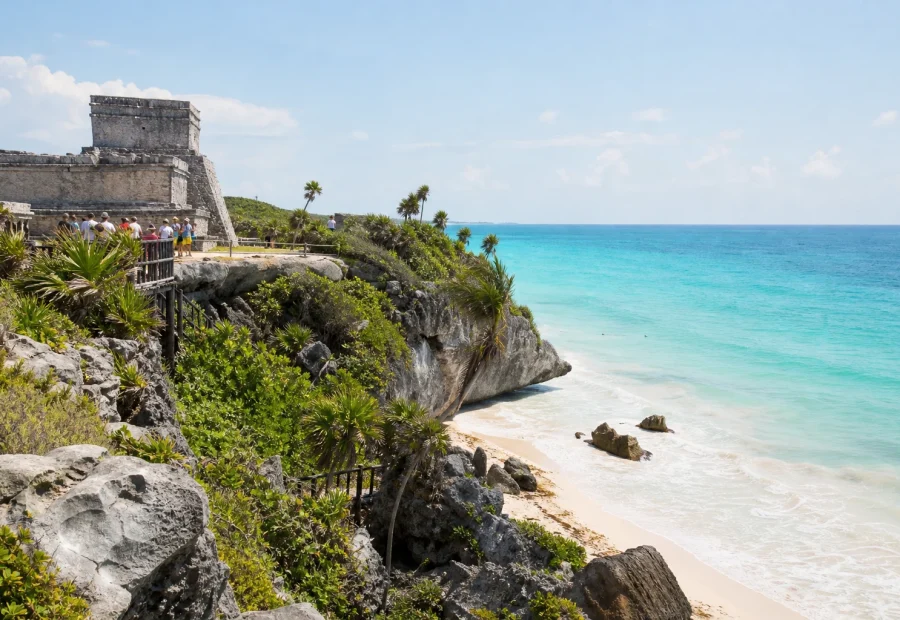
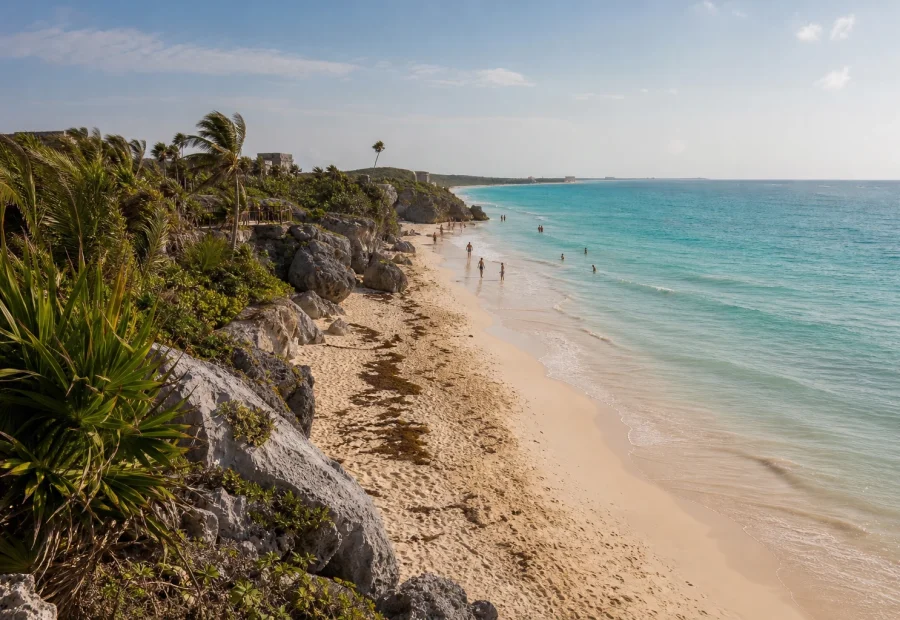
Catch the essential Tulum travel tips for first timers, from timing and transport to hidden mistakes that could shape your whole trip.
Your first Tulum trip gets easier when you know a few local moves. You’ll want the right season for blue water and less seaweed, the right neighborhood for your budget, and a plan for getting down from Cancún without wasting half a day. Add pesos, reef-safe sunscreen, and a cenote shortlist, and you’re already ahead of the game. The details that save time, money, and one sweaty mistake start here.
Key Takeaways
- Visit from November to April for dry weather, bright mornings, and minimal sargassum; choose late October or early November for fewer crowds.
- Stay in the Hotel Zone for beach access, or choose Centro, La Veleta, or Aldea Zama for lower prices and easier local dining.
- Fly into Cancún, then plan a 1.5-hour road transfer to Tulum by bus or taxi, and confirm your hotel drop-off in advance.
- Skip a rental car if you mainly want beaches and cenotes near town; bikes, scooters, taxis, and buses are often easier.
- Bring Mexican pesos for taxis, small shops, and beach access, and expect beach clubs and stylish restaurants to cost much more than town spots.

Tulum Ruins, Cenote Cave and Swimming with Turtles From Tulum
A guided tour of the Tulum Mayan ruins, swimming with sea turtles in Akumal and a jungle oasis cenote swim in the Riviera Maya plus round-trip transpo...
Choose the Best Time to Visit Tulum

If you want Tulum at its easiest and most beautiful, plan your trip for November through April. That’s the best time to visit Tulum if you want dry air, bright mornings, and little to no sargassum (seaweed) drifting onto the beach. For a similar feel with fewer people, try the shoulder season in late October or early November. You’ll still catch that November–April ease, minus some lines and packed beach clubs. Skip December and January if crowds make you twitch. The low season from May to October can save you money, and bookings come easier, but heat rises, rain rolls in, and hurricane season adds risk. Think about your Time of Year like a trade: postcard weather, or softer prices and a wild-card drama. For a balance of breezy weather and lighter crowds, autumn adventures in Tulum can be an especially appealing choice.
Pick the Best Area to Stay in Tulum
Where you stay in Tulum shapes everything from your morning coffee run to how long you’ll sit in traffic after sunset. If you want sand outside your door, the Hotel Zone puts you near boutique beach hotels and beach clubs, but Centro, La Veleta, and Aldea Zama give you better prices, easier meals, and a more local rhythm. You’ll need to choose between beachfront ease and budget breathing room, with quieter spots like Tankah Bay waiting if you want something in between. For most first-time visitors, the best neighborhoods often come down to whether you want beach access, walkable restaurants, or a quieter base away from the crowds.
Hotel Zone Stays
Although the Hotel Zone puts you steps from Tulum’s pale sand and bright blue water, you’ll usually pay more here than you would in Tulum Town or Aldea Zama. In Tulums Hotel Zone, you’ll find stylish stays, from Our Habitas Tulum to glamping at Libelula and luxe Umi, plus DJs and beach clubs at Nomade Tulum. This stretch is often called the Hotel Zone and is the heart of Tulum’s beachfront stay experience.
- Book beachfront early. Hotels in Tulums beach strip fill fast in high season.
- Decide if day passes matter. Many beach clubs charge about $100 to $200 plus.
- Skip plans to rent a car. Parking is tight and scooters or bikes help between beach and town traffic.
- If you’d rather Stay in Tulum Town, visit the beach by day especially if you want lower rates and rides after dinner.
Centro And La Veleta
For a stay that feels more like everyday Tulum and less like the beach club soundtrack on repeat, look at Centro and nearby La Veleta. If you’d rather stay in town, Tulum Centro puts cafés, shops, and local rhythm at your doorstep.
| Area | What you get | Best for |
|---|---|---|
| Centro | local life, easy taxis, many hotels in Tulum | quick access |
| La Veleta | boho calm, cafés, coworking, 0.9 miles to Tulum Centro | boutique vibe |
Aldea Zama sits between town and the coast, so Aldea Zama can appeal if you want a more planned residential feel without being directly in the beach zone. You can bike or walk from La Veleta, and renting a car feels less essential than in the beach area of Tulum. Most locals live in Centro, so nights feel grounded, not staged. You hear scooters, clinking glasses, and morning coffee grinders instead of a nonstop DJ set near your hotel door.

Tulum Instagram Photo Experience
Discover the most Instagrammable spots in Tulum carefully selected for this unique experience. Elevate your Instagr...

Tulum Ruins Guided Tour from Cancun and Riviera Maya
- Experience the ancient city of Tulum with our knowledgeable guides. - Enjoy our small group format and attention t...
Tulum Ruins, Cenote Cave and Swimming with Turtles From Tulum
A guided tour of the Tulum Mayan ruins, swimming with sea turtles in Akumal and a jungle oasis cenote swim in the Ri...
Beachfront Vs Budget
If waking up to salt air and a strip of turquoise water feels like the whole point of Tulum, the Hotel Zone is the dream pick, but your wallet will feel it too. These travel tips matter because your base decides how often you actually hear the surf instead of scooter horns daily.
- If you Stay in Centro, La Veleta, or Aldea Zama, you’ll spend less on beds, bites, and bikes.
- Expect beach club fees from about $50 to $200, while public beaches cost less but offer little shade.
- Plan your time. The beach to town trip can take 20 to 45 minutes, and traffic loves drama.
- A rental car helps, but a smaller local hotel may feel more real than glossy eco claims.
If you want the classic splurge, focus your search on beach hotels in the Hotel Zone, where direct sand access is the main draw.
Know How Tulum Beaches and Clubs Work

Once you get down to the sand, you’ll notice that Tulum’s beach scene runs on two tracks: public beaches up north, like Las Palmas, Playa Paraiso, and Playa Ruinas, and a long stretch of prime shoreline controlled by beach clubs.
On Tulum Beach, Need to Know this: most clubs charge an entrance fee, often $100 to $200, and even a lower one at least one spot like Ziggy’s can still cost about $50 before lunch. For a beach club day or easy day trip, check WhatsApp first. Vibes shift fast, from Taboo’s party pulse to Papaya Playa Project and Nomade, where open-air seats, DJs, shade, tacos, and loungers turn swimming into a small ritual. Many visitors plan around the Tulum Beach Clubs scene when choosing where to spend the day. Public sand works too, but shade can feel hard to find.
Plan Your Cancun-to-Tulum Transfer
Beach time starts with the airport math: Tulum doesn’t have its own airport, so you’ll land at Cancún International and head about 1.5 hours south by road. At Cancún International Airport, build your trip around arrival ease, not guesswork. The bus is safe, clean, and cheap on BusBud, while taxis wait outside and cost more. Confirm your Tulum drop-off before you go, and keep Mexican pesos handy for the last stretch to your home base. The Tulum to Cancun route is one of the most common transfers for first-time Riviera Maya travelers, so booking ahead can make arrival much smoother.
- Choose the bus if you want a smooth, budget-friendly ride.
- Grab a taxi if you want direct service after a long flight.
- Save your exact hotel address. Required fields are marked for bookings.
- Plan early so ONE day can still include cenotes around Tulum before sunset paints palms gold.
Decide If You Need a Rental Car
If you’re staying in the Hotel Zone for beach days or making easy hops from central Tulum, you probably don’t need a rental car because bikes, scooters, and taxis handle the job just fine. Driving can sound convenient, but traffic near the beach can crawl for hours and parking can feel like a small competitive sport. A car starts to make more sense when you want longer day trips or a simple Cancun-to-Tulum run, so it’s worth weighing freedom against congestion before you grab the keys. If you’re flying in, it also helps to compare Tulum Airport transportation options to the Hotel Zone before deciding whether a rental car is necessary from day one.
Still comparing Tulum Ruins Cenote Tour?
Ask for tour ideas, hotel suggestions, or a simple trip plan that combines both.
Trip Helper
When A Car Helps
Unless your plans reach well beyond Tulum, you may not need a rental car at all. But on a first time visit, a car can still shine when you want flexible day trips. It makes early starts easier for Sian Ka’an tours via Muyil and long loops into the Coba area, where timing matters and transfers can nibble away hours. Highways feel easy enough, though town driving gets sharper, so you’ll enjoy the freedom most when the map stretches outward and your playlist finally earns its keep. If you plan to arrive by Maya Train, having a car is still most useful for those farther-flung outings rather than for getting around central Tulum itself.
- Start at sunrise and set your own pace.
- Reach trailheads, lagoons, and quiet roads with less fuss.
- Book your rental car ahead, since airport counters can sting.
- Expect traffic backups and scarce parking, especially near the beach.
When To Skip It
That freedom cuts both ways in Tulum. If you’re here for beach lounging, cenotes near town, and dinners in La Veleta or Aldea Zama, you can skip a rental car. Use a bike or scooter for short rides and taxis for the 20 to 45 minute hop between town and the beach. Tulum’s bike rentals also make it easy to explore nearby areas at your own pace without dealing with parking hassles. You’ll avoid Hotel Zone traffic, scarce parking, and a lot of pointless circling.
For bigger days, public buses and tours handle the travel fine. Chichén Itzá sits a little over two hours away, and Sian Ka’an trips to Punta Allen often work better with a guide anyway. Need one more reason? Walking local streets means less crowds, more tacos, and less stress. Just stay aware, review travel insurance, and Know Before Visiting.
Set a Realistic Tulum Budget
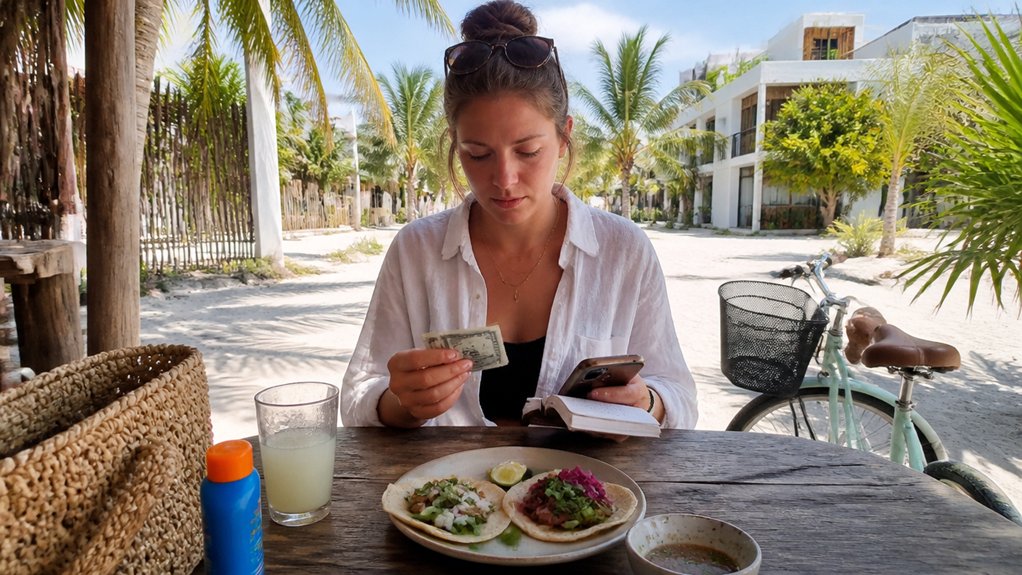
While Tulum can look like a barefoot paradise on your feed, your budget will feel very different in the Beach Zone than it does in town. To set a realistic Tulum budget, split your plans between the hotel zone and Centro. Expect to pay more around the beaches in Tulum, especially near papas Playa, where clubs often run $100 to $200, though a few sit closer to $50. For a budget travel guide, prioritize meals and stays in town, then save the Beach Zone for a few planned splurges.
- Budget $50+ per person at stylish beach restaurants.
- Hunt down local spots in town for $3 to $5 per person.
- Compare taxis, rentals, and rooms before beach days.
- Bring or exchange about $200 early for small shops and everyday rides.
That way, you enjoy the palms, playlists, and turquoise water without fainting at the check later.
Pay in Pesos and Tip Correctly
You’ll get farther in Tulum with Mexican pesos in your pocket, since taco stands, taxis, and even some InDrive rides often want cash while bigger restaurants and some hotels may take your card. Exchange about $200 USD before you go, and you’ll have a solid cushion for beach snacks, cenote entry, local transport, and the little add-on fees that can appear without much warning. ATMs near the beach zone can charge high fees, so having Mexican pesos ready before you head out can save both time and money. When the meal ends, tip about 20% unless the bill already includes service, and you’ll move through town like someone who knows the local rhythm.
Tulum Instagram Photo Experience
Discover the most Instagrammable spots in Tulum carefully selected for this unique experience. Elevate your Instagr...
Tulum Ruins, Cenote Cave and Swimming with Turtles From Tulum
A guided tour of the Tulum Mayan ruins, swimming with sea turtles in Akumal and a jungle oasis cenote swim in the Ri...
Tulum Ruins Guided Tour from Cancun and Riviera Maya
- Experience the ancient city of Tulum with our knowledgeable guides. - Enjoy our small group format and attention t...
Why Pesos Work Best
Even if your hotel runs smoothly on cards, Tulum still works best in pesos once you step onto the street. In Tulum, taxis, snack stands, and small shops often want cash, especially near Dos Ojos or Papaya Playa. Exchange about $200 USD to cover a few easy days around the Yucatán Peninsula. Your Travel Guide should note that a cenote is one place where cash speeds entry. InDrive rides may also need pesos, so confirm before you book. Keep bills dry, unlike tap water jokes. You’ll save time, dodge awkward exchange math, and sound prepared when exact change appears fast. If you’re visiting the Tulum Ruins, carrying pesos also helps with small purchases and tips around the site.
- Bring pesos for taxis and street snacks
- Carry small bills for smoother payments
- Confirm InDrive payment before requesting
- Count meal tips in pesos, not dollars
Standard Tipping Etiquette
Pesos also make Tulum tipping much simpler. Good tipping etiquette starts with your receipt. Check it first and make sure a service charge isn’t already included. If it isn’t, tip around 20% of the pre-tax meal price for sit-down meals. Pay in Mexican pesos whenever you can, especially at smaller spots where change can be tight and dollars create guesswork. Keep cash pesos with you each day so you can tip fast after tacos, coffee, or a beachside breakfast. Tulum also has plenty of top tacos and taquerías where having small peso bills makes quick, correct tipping even easier. At larger restaurants, you can often add a gratuity to your card, but cash still works best. For quick drinks or counter service, round up thoughtfully. Those small, easy moves protect your trip from awkward moments and help service feel smooth from arrival to departure.
Protect Your Health and Trip in Tulum
Before your first barefoot walk down the beach road, lock in a few health and safety basics. A solid policy with international coverage can protect your health and cushion surprise costs, especially if you book scuba diving or other adventure add-ons.
- Buy travel medical insurance before Mexico.
- Don’t drink tap water. Refill from hotel stations or trusted big jugs.
- Bring cash for extra fees at cenotes, plus pesos for taxis or urgent care.
- Keep emergency numbers saved: hospital +52 (984) 871 2271 and Touristic Police +52 (984) 849 7133.
Tulum feels easygoing, but small plans prevent big hassles. Use insect repellent and stay in screened or air-conditioned rooms to help prevent mosquito-borne illnesses. If something goes sideways, you’ll spend less time scrambling and more time listening to jungle birds, pool splashes, and scooter buzz on your way back home.
Pack for Sun, Heat, and Bugs
Good prep doesn’t stop with insurance and emergency numbers. Tulum asks you to pack for glare, sweat, and splashes. Bring serious sun protection, including a wide hat and strong sunscreen, because beach light bounces hard and cenote days often start and end in full sun. You’ll also want bug spray for jungle paths and mangrove air, where mosquitoes seem personally invested in your vacation. Expect hot humid weather from late spring through summer, so choose light, breathable clothes that dry fast. A reusable water bottle matters too, since you shouldn’t drink tap water. For all that water exposure, pack water-friendly sandals and a quick-dry bag. They’ll save your feet and keep sand, mist, and damp gear from taking over in your beach tote daily. A simple Tulum packing list can help you remember beach basics before you head out each day.
Plan Tulum Cenotes Before You Arrive
Since no two cenotes feel the same, you’ll save time if you pick your favorites before you land. To plan tulum cenotes before you arrive, match each stop to your mood, budget, and energy. Dos Ojos gives you open blue water. Escondido + Cristal feels quieter and greener. Calavera adds ladders, jumps, and cave drama. Near Tulum, Dos Ojos Cenote is especially popular for its magical feel and is worth considering if you want a classic cenote stop.
- Go early at Gran Cenote to beat crowds.
- Save cenotes near Coba for a separate day.
- Expect entrance costs, extra gear fees, and 45 minutes to 2 hours at each stop.
- Pack snorkel basics, or book a guide or cenote club for smoother logistics when amenities are sparse and you want food, drinks, music, and clear water on hot afternoons that feels like silk against your arms all day.
Plan Tulum Town Stops and Easy Day Trips
By late morning, Tulum Town gives you a different kind of energy from the beach zone. Use that shift to plan tulum town stops through central tulum, where you can Explore Tulum on foot and duck into Bonita, Burrito Amor, or Palma Central for a budget lunch. Then keep the day easy with cenotes near town. Carwash Cenote is quick, open-air, and usually less crowded. Casa Cenote sits about thirty minutes out and rewards you with clear water, baby tarpon, and a few curious crabs. If you want one bigger outing, book Chichén Itzá by ADO bus or tour and leave early. Carry pesos for tacos and taxis, and run GPS so you don’t pinball between town, the beach, and your swim stop. For a more local feel, spend an hour in Tulum Pueblo to catch the everyday rhythm beyond the hotel strip.
Frequently Asked Questions
Do I Need to Speak Spanish in Tulum?
No, you don’t need Spanish in Tulum, but you’ll benefit from learning Spanish basics and common local phrases for transportation options, tipping etiquette, bargaining expectations, beach safety tips, and cultural customs to know while exploring.
Can I Use My Phone Data Easily in Tulum?
Yes, like a flashlight flickering at dusk, you’ll get good Tulum connectivity: use SIM card options or eSIM availability, trust Wi‑Fi reliability on roads, watch roaming costs, note best coverage areas, preload offline navigation apps.
Are Tulum’s Ruins Worth Visiting on a First Trip?
Yes—you’ll find Tulum’s ruins worth visiting: Guided tours help, best time is early, entrance fees are manageable, water safety matters, follow transportation tips, pack dress recommendations, and don’t miss sunset viewpoints afterward for cliff scenery.
Is Tulum a Good Destination for Families With Kids?
Yes—but here’s the catch: you’ll love Beach accessibility for kids, family friendly activities, stroller friendly routes, safety and health tips, kid friendly dining spots, day trips options, and best family neighborhoods if you plan ahead.
Can I Work Remotely From Tulum Reliably?
Yes, you’ll work from Tulum if you choose best work neighborhoods, use Co working options, monitor internet reliability, secure reliable electricity, handle local SIM setup, budget cost of living, and plan time zone adjustments carefully.
Conclusion
Plan Tulum well and the place seems to meet you halfway. You time your trip for dry season, and by coincidence the sea turns that impossible blue on the same morning you find your favorite taco stand. You pick the right base, carry pesos, book cenotes early, and suddenly the logistics feel easy. Then all that’s left is salt on your skin, bike tires on limestone, and that soft jungle hush after each violet sunset.
Tulum Ruins, Cenote Cave and Swimming with Turtles From Tulum
A guided tour of the Tulum Mayan ruins, swimming with sea turtles in Akumal and a jungle oasis cenote swim in the Riviera Maya plus round-trip transpo...