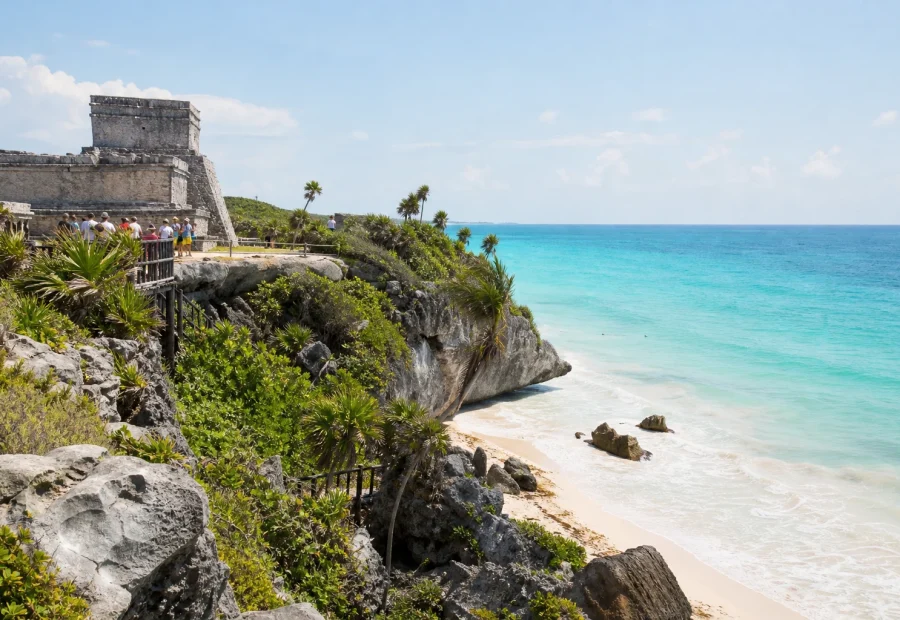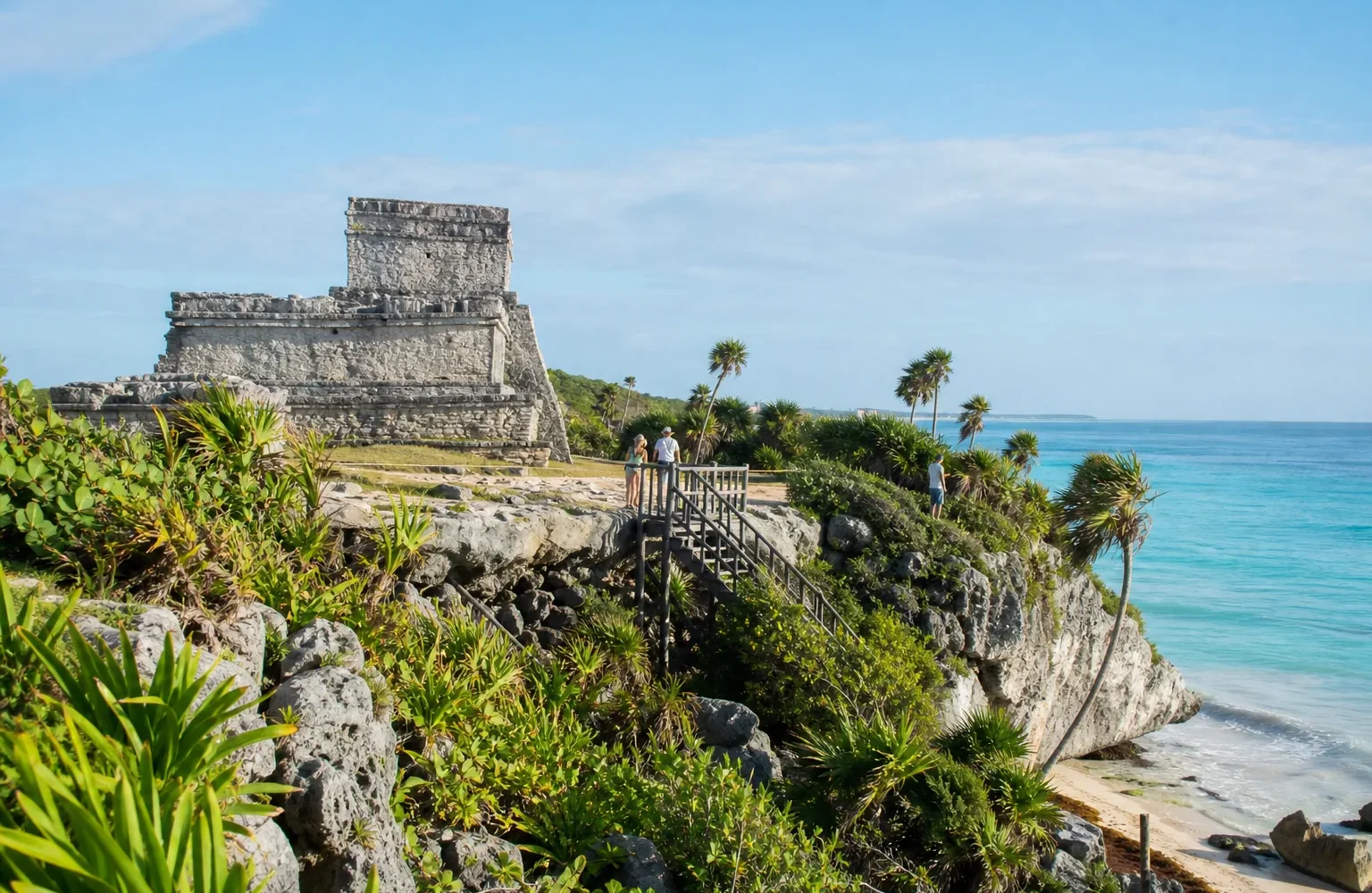
Spend one week exploring Tulum’s archaeological sites, beaches, inland swimming spots, and the Sian Ka’an area without packing every day too tightly. This flexible itinerary builds in time for transport, weather changes, and a genuinely restful beach day.
Seven days in Tulum gives you enough time to see the celebrated archaeological zone, enjoy an unhurried beach day, explore the Muyil and Sian Ka’an area, and keep space for one independently verified excursion. The key is resisting the urge to schedule every morning and afternoon. Tulum’s attractions are geographically dispersed, and current official sources do not establish one dependable transport schedule connecting every stop.
- Visit the Tulum archaeological zone at the first available entry rather than late afternoon.
- Treat Muyil and Sian Ka’an as a flexible full-day outing with transport arranged in advance.
- Keep one beach or rest day and one weather-flex day in the schedule.
- Choose accommodation only after comparing Pueblo, the beach area, and your excursion pickup points.
- Reconfirm admission charges, operating details, reserve access, and last-return transport shortly before traveling.
- Use well-lit pedestrian streets and tourist areas after dark, following current destination safety guidance.
Your seven-day Tulum plan at a glance
| Day | Main plan | Why it works |
|---|---|---|
| 1 | Arrival, check-in, and neighborhood orientation | Leaves room for delays and transport setup |
| 2 | Tulum archaeological zone early, then a light afternoon | Puts the most time-sensitive visit near the start |
| 3 | Beach and recovery day | Prevents excursion fatigue |
| 4 | Muyil and the Sian Ka’an area | Allows a full day for variable access and transport |
| 5 | Cenote or another verified water activity | Adds an inland experience without fixing an unsupported route |
| 6 | Independent excursion or flexible local day | Can absorb weather or transport changes |
| 7 | Slow morning, final meal, and departure | Avoids placing a major trip before checkout |
This order is a framework rather than a race. If the forecast looks better for your reserve trip on Day 5, swap Days 4 and 5. If your arrival is late, do not borrow sleep from the ruins morning. The built-in flexibility matters because official sources confirm several road-accessed attractions but do not provide current shared-transport timetables or universal pickup arrangements.

Tulum Ruins Guided Tour from Cancun and Riviera Maya
- Experience the ancient city of Tulum with our knowledgeable guides. - Enjoy our small group format and attention to detail through the Mayan’s mos...

All-Inclusive! Tulum Ruins, Tequila Tasting + Swim in 3 Cenotes in Small Group!
At Authentic Tours Tulum we believe in giving back to our community by utilizing locations, restaurants, and employees native to our area. Our guides...
Before booking: choose the right base and transport style
Staying in Tulum Pueblo is not logistically identical to staying in the beach or hotel zone. Your ideal base depends on where you expect to eat, how often you want the beach, and where excursions collect passengers. Use a guide to where to stay in Tulum for first timers to compare the areas before choosing a hotel solely by appearance.
A rental car or pre-booked transfer generally provides more control when visiting dispersed sites. Travelers using local transport should confirm routes, pickup points, payment methods, and last-return options shortly before each outing. The available official sources establish road-based access to the ruins, Muyil, and Sian Ka’an, but they do not substantiate a current public timetable or fare structure.
For arrival day, compare your confirmed flight time with hotel check-in and the location of your accommodation. A Tulum airport-to-Hotel Zone transportation guide can help frame the transfer decision, but verify the actual operator, meeting point, luggage allowance, accessibility, and cancellation terms before paying. Avoid building a dinner reservation around an optimistic arrival estimate.
Day 1: arrive, settle in, and learn your immediate surroundings
Keep the first day deliberately simple. Check in, unpack, buy drinking water and any basic supplies you need, then walk only around your immediate area while daylight and energy allow. Locate the pickup point for tomorrow’s transport, ask your accommodation about current road conditions, and save the relevant contact details offline.
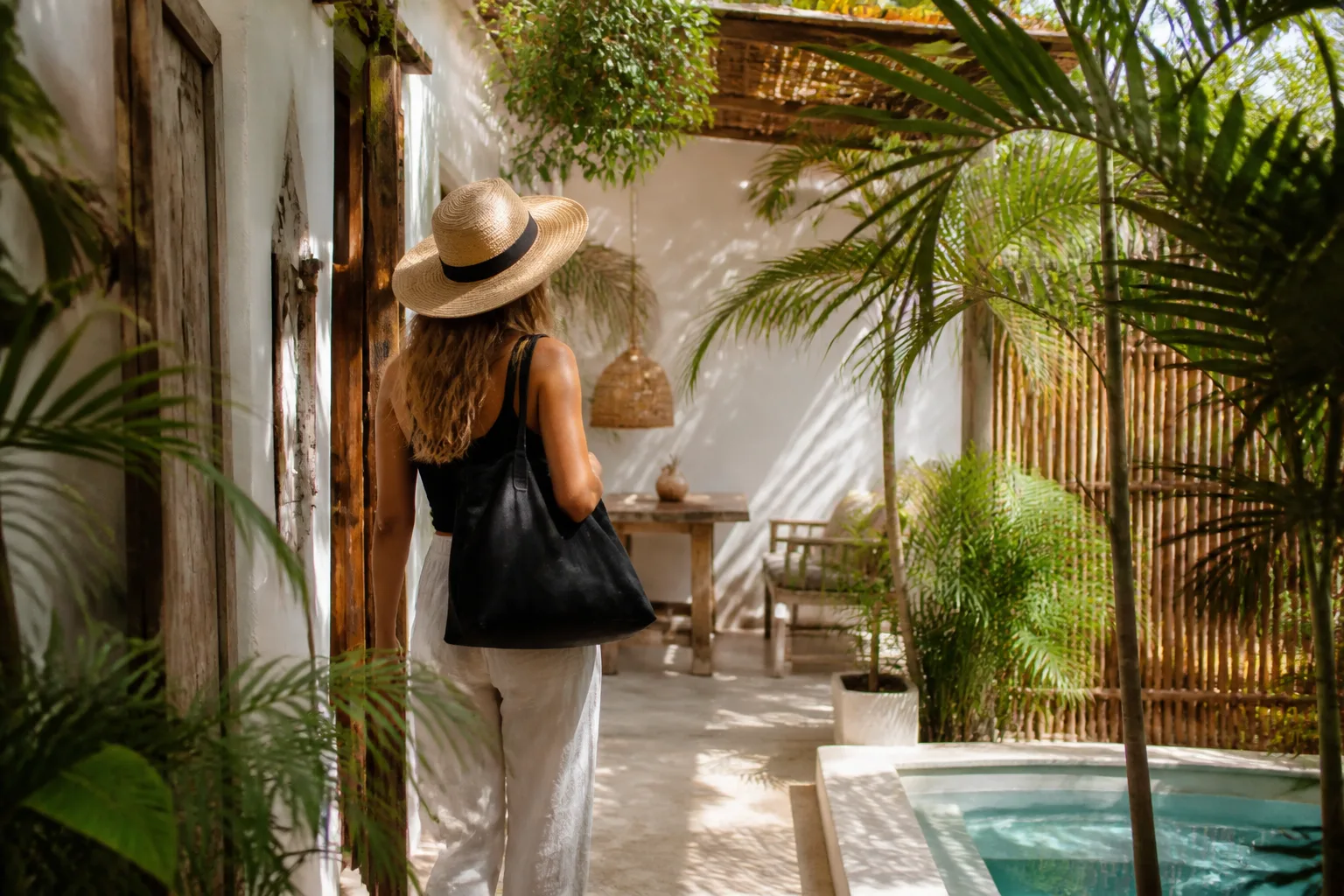
Choose dinner close to your accommodation rather than crossing town for a single restaurant. A practical guide to where to eat in Tulum can help you narrow the choices by area and dining style. Confirm the restaurant’s current details directly, especially if a reservation or special dietary accommodation matters to you.
Before sleeping, prepare a light bag for the ruins. Charge your phone, check your transport arrangement, and place sun protection where you will see it in the morning. Day 2 works best when you can leave without negotiating logistics over breakfast.
Day 2: visit the Tulum ruins at the first available entry
Make the Tulum archaeological zone the anchor of your second morning. The currently indexed INAH visitor page lists daily hours of 08:00 to 17:00, with final entry at 15:30. An early arrival creates a larger margin for the visit and is more resilient to afternoon heat and crowds. Recheck the official visitor information shortly before going because operating details are volatile.
The published foreign-visitor charges require careful reading. The indexed INAH listing shows MX$210 admission, plus separately stated GAFSACOMM and CONANP charges of MX$295 and MX$120. That could total MX$625 if all three apply. An older official page lists a different base amount, so treat these figures as published rates to reconfirm, not a guaranteed all-in price.
A Tulum ruins guide for first timers can help you prepare for the site layout and visit sequence. Carry only what you can comfortably manage, follow posted restrictions, and confirm current rules governing bags, photography equipment, food, and re-entry. Do not assume that admission automatically includes every surrounding service or protected-area charge.
Leave the afternoon light. Return for lunch, rest near your accommodation, or spend a short period by the water if access conditions suit your plan. Avoid adding another distant archaeological site. The early start and exposed outdoor visit can make a packed second half feel much longer than it looked on paper.

Tulum Instagram Photo Experience
Discover the most Instagrammable spots in Tulum carefully selected for this unique experience. Elevate your Instagr...

Private Guided Cenotes and Underground River Exploration
Explore an underground river system and 2 cenotes at the same location. All the photos listed here you will see in p...
Tulum Ruins Guided Tour from Cancun and Riviera Maya
- Experience the ancient city of Tulum with our knowledgeable guides. - Enjoy our small group format and attention t...
Day 3: slow down with a dedicated beach day
After the ruins, use Day 3 as a genuine recovery day. Pick a beach arrangement that fits your accommodation and transport plan, then confirm access conditions, spending requirements, facilities, and return transport directly. This is the day to leave room for a long swim, a shaded lunch, or an early retreat if conditions change.
Bring sun protection, drinking water, a cover-up, and a dry bag or waterproof pouch for essentials. Keep valuables to a minimum. If you plan to enter the water, follow local warnings and make a conservative decision based on conditions you can actually observe that day.
A restful day is not wasted itinerary space. It protects the following full-day outing and gives you a natural slot for laundry, changing a reservation, or solving a transport issue. If rain interrupts the morning, swap this day with your flexible Day 6 rather than forcing the original sequence.
Day 4: combine Muyil with the Sian Ka’an area carefully
Muyil offers an archaeologically focused outing outside central Tulum. INAH places the site 25 kilometers southwest of Tulum on Federal Highway 307. Pairing it with the Sian Ka’an area can create a strong full day, but only after you confirm transport, reserve access, activity arrangements, and the day’s return plan.
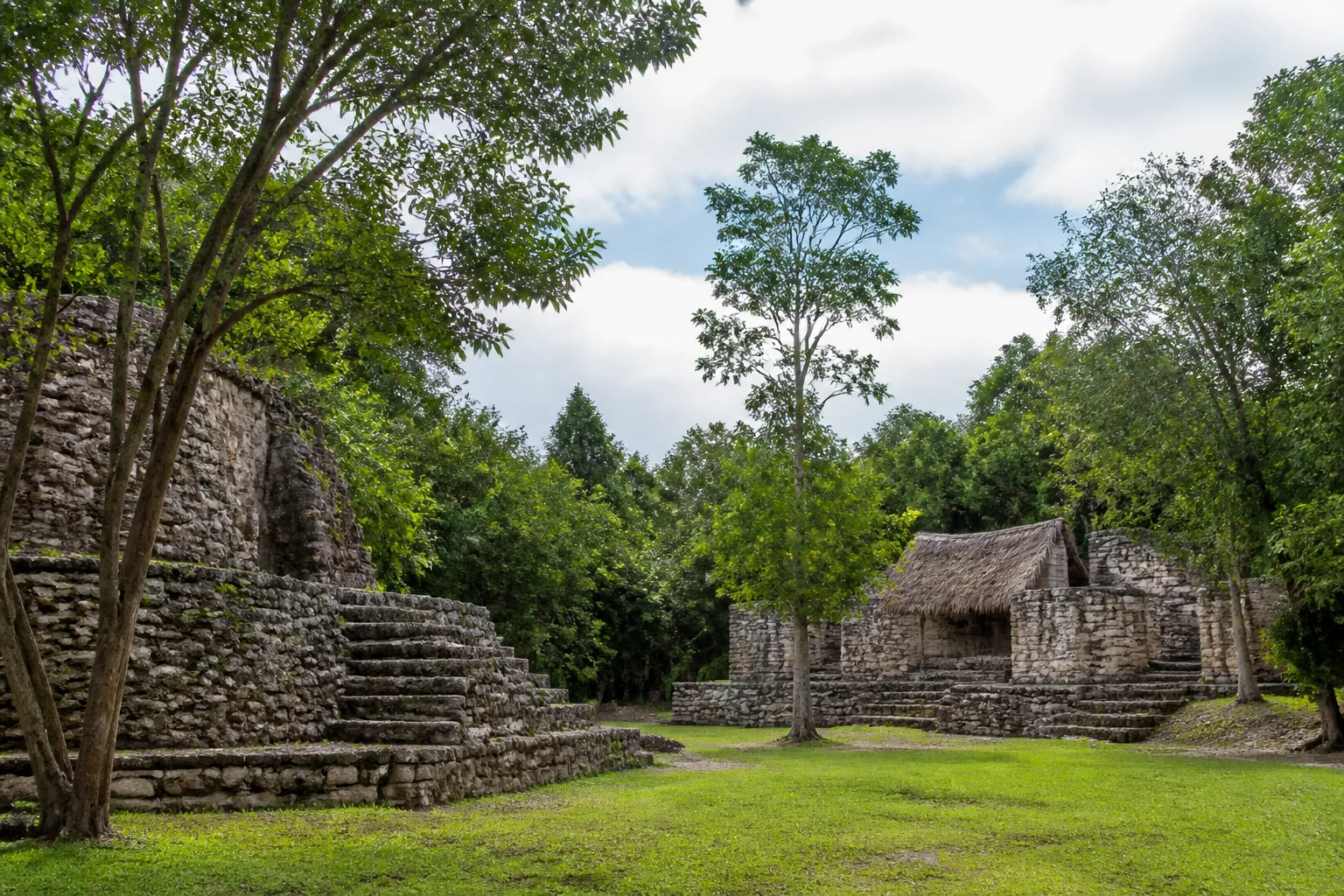
Do not treat Sian Ka’an as one simple roadside stop. CONANP states that the reserve can be accessed by land and sea. One newer description places its northern area about 15 minutes from Tulum, while an older management document describes a road entrance about 22 kilometers away. These references may involve different access points and cannot support a universal journey time.
Use a detailed Muyil ruins and Sian Ka’an guide to understand the outing’s components, then verify the current version with your chosen operator or transport provider. Ask exactly where the trip begins, what reserve access is included, how much walking is involved, when you return, and what happens if weather or road conditions alter the activity.
Keep the evening unscheduled. A full reserve-area outing may involve several transfers and a different return time than expected. Dinner close to your hotel and an early night will feel wiser than a rigid cross-town booking.
Day 5: choose a cenote or another verified water activity
Day 5 works well for a water-focused outing that you verify independently. Instead of choosing a site because it appears close on a map, compare transport, admission structure, water conditions, facilities, equipment rules, supervision, and return options. A guide to the best cenotes near Tulum can help create a shortlist without forcing you into one fixed choice.
Ask whether your selected experience includes transport, flotation equipment, lockers, changing areas, or a guide. Confirm which items cost extra and what payment methods are accepted. If accessibility is important, request operational details rather than relying on a generic accessible label.
Keep the rest of the day modest. A leisurely meal and an open evening allow wet gear to dry and give you time to reassess Day 6. If your Sian Ka’an outing moved because of weather or availability, this day can absorb it while the water activity shifts to the next suitable slot.
Still comparing Tulum Itinerary With Ruins, Muyil, Sian Ka'an, Cenotes, And Transfers?
Ask for tour ideas, hotel suggestions, or a simple trip plan that combines both.
Trip Helper
Day 6: use your flex day for an excursion or local favorite
By Day 6, you will know your energy level, the current conditions, and which part of Tulum deserves more time. Use this day for an independently verified excursion, a second beach session, a guided activity, or an unhurried local day. The best choice is the one that does not duplicate your previous five days.
If selecting a tour, confirm its meeting point, pickup window, approximate return arrangement, inclusions, cancellation terms, and physical demands. A pickup described only as “Tulum” may not mean your hotel. Pueblo, the hotel zone, archaeological sites, and reserve access points should not be treated as interchangeable locations.
This is also your main weather buffer. If an earlier outdoor plan was postponed, place it here instead of squeezing two major activities into one day. If everything ran smoothly, enjoy the rare pleasure of choosing the day after you arrive rather than months before.
Day 7: enjoy a slow morning and protect your departure window
Keep departure day close to your accommodation. Have breakfast, take a final neighborhood walk, and pack without turning checkout into a sprint. Do not place a distant reserve visit, cenote excursion, or archaeological site on this morning unless your onward schedule genuinely allows for delays.

Reconfirm your transfer, meeting location, pickup time, and the name used on the reservation. If you are driving, allow time for fuel, vehicle return, and any inspection required by your agreement. Travelers using a booked transfer should keep the confirmation and contact method available offline.
If your departure is late, store luggage through a confirmed arrangement and choose a nearby activity with an easy exit. A relaxed final meal is usually a better closing note than watching the clock beside a distant attraction.
Transport strategy for a full week
Choose transport based on the whole itinerary, not just the airport transfer. Self-driving or pre-booked transfers offer greater flexibility for dispersed attractions. Local transport may still suit some travelers, but routes and last-return options need current confirmation because the retrieved official sources do not provide a comprehensive timetable, fare list, or accessibility specification.
- Confirm the precise pickup point, not only the word “Tulum.”
- Ask for the last realistic return option before leaving town.
- Save confirmations and contact details offline.
- Check whether luggage, equipment, or mobility devices can be accommodated.
- Build extra time around reserve access and departure day.
- Avoid assuming that Pueblo and the hotel zone share identical logistics.
If you split your stay between areas, calculate the inconvenience as well as the appeal. Changing hotels consumes packing time and creates another transfer. A single well-chosen base may be easier for a seven-day trip, particularly when several excursions already involve early departures.
Costs and reservations to verify
The ruins are the only attraction in this evidence pack with specific published charges, and even those conflict across official pages. Recheck the official listing shortly before visiting. For every other activity, request the complete payable amount and ask whether transport, protected-area charges, equipment, meals, taxes, or gratuities are separate.
Reserve the least flexible pieces first: accommodation, arrival transport, and any limited-capacity excursion you independently confirm. Leave meals and simple local periods more open. This balance gives the week structure without making every delay expensive or stressful.

Horseback Ride, ATV, Ziplines & Cenote from Tulum
Begin your ultimate Cancún adventure at El Rey Polo Club on the famous Ruta de los Cenotes. Ride through peaceful j...

Tulum Guided Tour, Magical Cenote, Lagoon Snorkeling and Beachside Lunch
Get ready to enjoy a day full of history, culture and adventure. Walk through the ruins of Tulum - one of the last c...
Tulum Ruins Guided Tour from Cancun and Riviera Maya
- Experience the ancient city of Tulum with our knowledgeable guides. - Enjoy our small group format and attention t...
What to pack for this itinerary
- Comfortable footwear suitable for outdoor archaeological visits
- Sun protection, a hat, and a refillable water bottle
- Swimwear, a cover-up, and a waterproof pouch
- A light layer for air-conditioned transport or indoor spaces
- Offline copies of reservations, identification details, and emergency contacts
- Any medication and personal accessibility equipment you require
Pack for repeated transitions between outdoor sites, water activities, meals, and road transport. A small day bag is easier to manage than carrying most of your luggage around town. Check each attraction’s current restrictions before bringing professional camera equipment, food, large bags, or specialized sporting gear.
Accessibility planning requires direct confirmation
INAH’s current Tulum listing displays an accessibility-service icon and lists toilets and guided visits. It does not explain step-free routes, terrain limits, wheelchair availability, accessible transport, or beach access. Do not interpret the icon as proof that the entire archaeological zone meets every mobility requirement.
Travelers with mobility, sensory, medical, or communication needs should contact the site and each transport provider directly. Ask about the exact path from drop-off to entrance, surfaces, gradients, rest areas, toilets, vehicle access, and evacuation procedures. Repeat this process for Muyil, reserve activities, beaches, and cenotes rather than assuming conditions are consistent.
Current safety considerations for Tulum
As of the U.S. State Department advisory dated May 29, 2026, Quintana Roo, including Tulum, is classified as “Exercise Increased Caution” due to crime. The advisory states that shootings between rival gangs have injured and killed bystanders. It advises travelers to pay attention after dark and remain on well-lit pedestrian streets and in tourist zones.
The same advisory directs travelers in Quintana Roo to the state’s Guest Assist app for emergency numbers, legal advice, tourist information, and assistance with reports or service-provider complaints. Review the latest advice from your own government before departure because conditions and guidance can change.
Use ordinary precautions throughout the week. Plan nighttime transport before leaving dinner, avoid poorly lit shortcuts, keep control of drinks and belongings, and share excursion details with someone you trust. If a situation feels unsettled, leave rather than waiting to understand it.
How to adapt the itinerary without overloading it
For a more restful trip, keep Days 3, 5, and 6 local. For an activity-heavy week, add only one independently verified excursion on Day 6. Families, couples, and travelers with accessibility needs may prefer shorter outings followed by long meal breaks rather than consecutive full-day departures.
The strongest version of this seven-day Tulum itinerary has three anchors: the ruins early in the week, a carefully arranged Muyil and Sian Ka’an day, and a protected departure window. Beach time, a water activity, and the flex day can move around those anchors. That structure preserves the pleasure of discovery while keeping the practical parts under control.
Frequently asked questions
Is seven days in Tulum too long?
Seven days works well if you want a mixed itinerary rather than seven consecutive excursions. The supported structure includes an arrival day, an early ruins visit, a beach or rest day, a full day around Muyil and Sian Ka’an, and at least one flexible day for weather or transport changes.
What day should I visit the Tulum ruins?
Schedule the ruins early in the trip and arrive for the first available entry. The currently indexed official listing shows daily hours of 08:00 to 17:00 and final admission at 15:30. Reconfirm the schedule before visiting.
How much does entry to the Tulum archaeological zone cost?
The indexed INAH page lists MX$210 for foreign admission, plus separate GAFSACOMM and CONANP charges of MX$295 and MX$120. All three would total MX$625 if they apply. An older official page shows a conflicting base amount, so verify the complete current charge before visiting.
Can I visit Muyil and Sian Ka’an on the same day?
They can form a full-day itinerary after you confirm transport, reserve access, activity arrangements, and return timing. Muyil is listed 25 kilometers southwest of Tulum. Sian Ka’an has multiple land and sea access possibilities, so there is no single reliable journey time for every visit.
Do I need a rental car for one week in Tulum?
A car is not presented as mandatory, but self-driving or pre-booked transfers offer greater flexibility for dispersed sites. If you rely on local transport, confirm current routes, pickup locations, and last-return options because the official sources retrieved do not provide a comprehensive timetable or fare list.
Is the Tulum archaeological zone wheelchair accessible?
The official listing shows an accessibility-service icon, but it does not specify step-free routes, wheelchair availability, terrain limitations, accessible transport, or beach access. Contact the site directly about your requirements rather than assuming the entire archaeological zone is wheelchair accessible.
Is Tulum safe to visit in 2026?
The U.S. State Department advisory dated May 29, 2026 classifies Quintana Roo, including Tulum, as “Exercise Increased Caution” due to crime. It advises attention after dark and remaining on well-lit pedestrian streets and in tourist zones. Check the latest guidance from your own government before traveling.
All-Inclusive! Tulum Ruins, Tequila Tasting + Swim in 3 Cenotes in Small Group!
At Authentic Tours Tulum we believe in giving back to our community by utilizing locations, restaurants, and employees native to our area. Our guides...
Tulum Ruins Guided Tour from Cancun and Riviera Maya
- Experience the ancient city of Tulum with our knowledgeable guides. - Enjoy our small group format and attention t...