Find Tulum’s best photo spots, including the clifftop Maya ruins, public Caribbean beaches, protected coastal landscapes, and Sian Ka’an. This practical guide covers light, timing, access, costs, crowds, seasonal conditions, safety, and responsible photography.
Tulum’s most memorable photographs come from a rare meeting of Maya architecture, pale limestone, tropical vegetation, and intensely blue Caribbean water. The clifftop archaeological zone supplies the unmistakable landmark view, while public beaches and protected coastal habitats offer broader compositions. Conditions can change quickly, so the strongest plan combines an early ruins visit with a flexible beach session later in the day.
Tulum photo spots at a glance
- Prioritize the Tulum Archaeological Zone for the signature combination of Maya ruins, cliffs, and Caribbean water.
- Arrive for the first available ruins entry rather than sunrise, because regular public access begins at 08:00.
- Use designated public beach access points for free shoreline access, but budget separately for transport, parking, attractions, or services.
- Save late afternoon for beach photography inside Parque Nacional Tulum, where beach stays may continue until 19:00.
- Keep the schedule flexible because sargassum, storms, nesting areas, and wildlife protections can affect coastal access and appearance.
- Treat Sian Ka’an as a dedicated day-trip-style photography outing, not a quick addition to a crowded ruins itinerary.
A phone is enough for most scenes, but glare and heat can make coastal photography demanding. Bring water, sun protection, a lens cloth, and a light bag that is comfortable to carry. A polarizing filter can help manage reflections, though its effect may look uneven on very wide lenses. Keep equipment compact because several protected beach approaches involve walking on designated paths rather than driving directly to the sand.

Tulum Instagram Photo Experience
Discover the most Instagrammable spots in Tulum carefully selected for this unique experience. Elevate your Instagram feed with our exciting photogra...
1. Tulum Archaeological Zone for the classic cliffside image
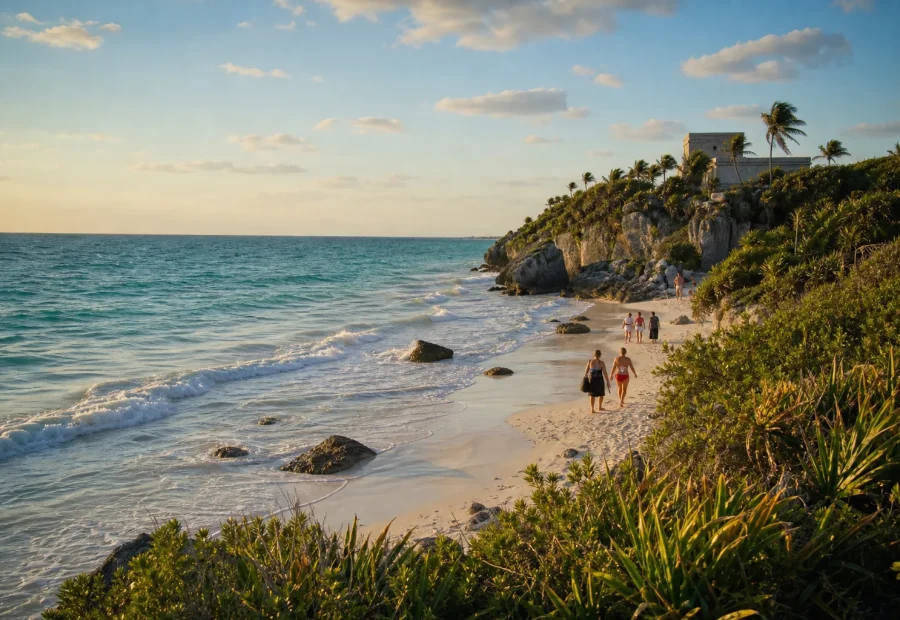
The Tulum Archaeological Zone is the essential first stop. Its Maya structures stand above the Caribbean on a limestone cliff, creating the destination’s most recognizable visual combination. Wide compositions can include architecture, palms, sea, and sky, while tighter frames reveal weathered stone against saturated water. Official tourism material also identifies Playa Paraíso below the ruins as one of Tulum’s most photographed beaches.
Regular archaeological-zone hours are 08:00 to 17:00, with last entry at 15:30. That means ordinary admission does not support a sunrise shoot. Aim for the first available entry to improve the chance of gentler light and fewer people, but expect other visitors. Our Tulum ruins guide for first-time visitors is a useful companion when planning the broader route, entry process, and time needed at the site.
How to compose the ruins without fighting the crowd
- Begin with wide establishing photographs before the paths become busier.
- Use vegetation or limestone walls at the edge of the frame to give the image depth.
- Wait for brief gaps between groups instead of blocking a path or stepping outside designated areas.
- Try vertical frames that balance a structure in the lower half with palms and sky above it.
- Capture architectural details as well as the famous coastal panorama, especially when broad viewpoints are crowded.
As of a federal tourism announcement dated July 17, 2026, admission covering the archaeological zone and protected area was stated as MXN 265 for international visitors and MXN 80 for Mexican nationals, with free national admission on Sundays. An INAH page displayed a different multi-part fee structure. Confirm the total at the official ticket point before visiting, and do not assume free beach access also makes the ruins free.
2. Playa Paraíso and the Caribbean shoreline
Playa Paraíso is the natural counterpart to the ruins. Its strongest images rely on simple elements: pale sand, blue-green water, low dunes, palms, and passing clouds. A low camera angle can emphasize patterns in the sand, while a higher standing position gives more room to the sea. Watch the horizon carefully because even a small tilt becomes obvious in an open beach frame.

The beach scene is often most flattering when the sun sits lower, but access rules matter. CONANP says beach access in Parque Nacional Tulum is permitted until 19:00, while the park-management summary lists standard non-overnight visitor access as 08:00 to 17:00. Ask locally which entrance remains usable for an evening beach stay, and leave enough time to walk back before access arrangements change.
Frames to try on the sand
- A wide horizontal frame with sand in the foreground and cloud texture above the water
- A vertical shoreline photograph using the curve of the surf as a leading line
- Close details of foam, shells, limestone, or wind-shaped sand without disturbing natural features
- A backlit silhouette near the end of the day, taken only within permitted access times
- A distant human figure for scale, photographed with permission when the person is recognizable
3. Public beach accesses for free coastal views
A hotel booking or beach-club purchase is not required for every coastal photograph. Mexico’s tourism ministry announced on July 17, 2026 that ten public beach accesses had opened in Tulum and that beach access was free for domestic and international visitors. These routes create opportunities for broad shoreline, dune, and Caribbean scenes without treating private hospitality areas as public photo sets.
Free access applies to reaching the beach. It should not be confused with free parking, transportation, equipment rental, food, reserved furniture, attraction admission, or other paid services. The exact route and current operating arrangements may vary by access point. Travelers building a low-cost shoot can pair these options with the broader free things to do in Tulum, while keeping a separate budget for getting around.
Choose a public entrance based on current seaweed conditions rather than chasing a single famous frame. One section of coast may have a different appearance from another after wind or changing currents. Ask locally about conditions, then pick the cleanest practical stretch. Never cross dunes, vegetation, ropes, or marked nesting areas to create an unobstructed angle.

All-Inclusive! Tulum Ruins, Tequila Tasting + Swim in 3 Cenotes in Small Group!
At Authentic Tours Tulum we believe in giving back to our community by utilizing locations, restaurants, and employe...

Tulum Ruins Guided Tour from Cancun and Riviera Maya
- Experience the ancient city of Tulum with our knowledgeable guides. - Enjoy our small group format and attention t...

Private Guided Cenotes and Underground River Exploration
Explore an underground river system and 2 cenotes at the same location. All the photos listed here you will see in p...
4. Parque Nacional Tulum for dunes, wetlands, and nature
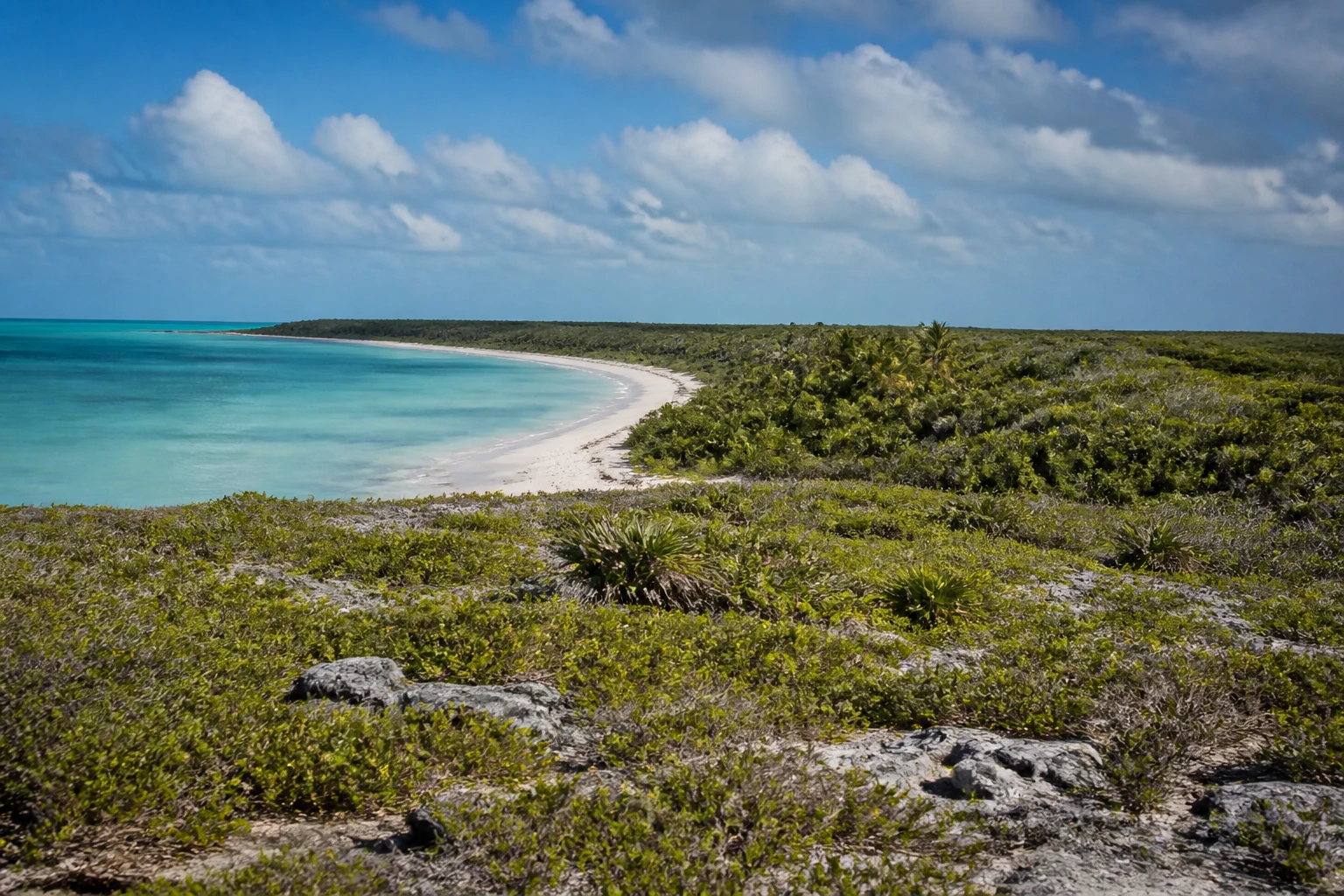
Parque Nacional Tulum adds ecological variety beyond the familiar beach panorama. Its protected landscape includes beaches, coastal dunes, wetlands, cenotes, and wildlife habitat. Look for layered scenes where pale sand meets low vegetation, or where a trail leads the eye toward the coast. A Jaguar National Park Tulum guide can help place these protected landscapes within a larger visit around the ruins and shore.
Stay on established trails and follow ranger signs. Pets are not permitted under CONANP visitor guidance, and any applicable access fee must be paid. These are working conservation rules, not obstacles to work around for a photograph. A longer lens can help isolate details without approaching wildlife or trampling vegetation, while a standard phone camera remains suitable for broad landscapes from authorized paths.
The access tradeoff photographers should expect
Walking is central to access in the protected area. The park-management summary directs visitors to enter designated public-use beach areas on foot, with parking intended in specified locations. That protects sensitive dunes but can make bulky tripods, multiple lenses, and heavy bags impractical. Pack for the route rather than the wish list, and keep both hands free for uneven natural surfaces.
The reviewed official material does not identify step-free routes, wheelchair rentals, or accessible beach mats. Travelers with limited mobility should confirm the exact entrance, surface, distance, and available assistance before relying on a particular viewpoint. CONANP describes Tulum town as roughly 30 minutes from the protected area and notes taxis, colectivos, and local passenger transportation, but real travel time can vary with the pickup point and conditions.
5. Sian Ka’an for a wilder landscape collection
Sian Ka’an is the strongest alternative when the goal is nature rather than Tulum’s built landmarks. Official material describes a biosphere reserve with beaches, coral reefs, tropical forest, dunes, and cenotes. That range supports a fuller visual story, including vegetation, water, open coast, and small natural details. It deserves a day-trip-style plan instead of a rushed stop between the ruins and dinner.

Access depends on the specific part of the reserve being visited. The reviewed sources do not provide current visitor hours, transport schedules, admission prices, or accessibility information for one universal entrance. Check the chosen access point or operator before departure. Our Sian Ka’an Biosphere Reserve guide from Tulum offers a useful planning framework, while the Muyil ruins and Sian Ka’an guide focuses on combining cultural and natural scenery.
Travel light and protect equipment from spray, sand, and sudden rain. A dry bag or sealed pouch is useful around water, while spare lens cloths handle salt haze better than a shirt corner. Avoid promising yourself a fixed shot list. Wildlife, clouds, water clarity, and access conditions are naturally variable, and responsible distance matters more than filling every frame.
Best timing for Tulum photography
| Time | Best use | Main limitation |
|---|---|---|
| First ruins entry | Clifftop architecture, stone details, and broad Caribbean views | Public entry normally begins at 08:00, so sunrise access should not be assumed |
| Late morning | Bright water color and crisp architectural detail | Hard light, glare, heat, and stronger contrast can be challenging |
| Late afternoon | Beach, dune, silhouette, and shoreline images | Confirm which access route is operating and remember the 19:00 beach limit |
| Full day | Sian Ka’an landscapes and a varied nature collection | Specific access details require a separate current check |
Trying to photograph the ruins, several beaches, and Sian Ka’an in one day leaves little room for weather or transport delays. A more realistic plan gives the ruins one early session, follows with a nearby public beach, and reserves Sian Ka’an for another day. Visitors with limited time can use a one-day Tulum itinerary to organize the central sights without adding a distant nature excursion.
Still comparing Tulum Photo Spots?
Ask for tour ideas, hotel suggestions, or a simple trip plan that combines both.
Trip Helper
Seasonal conditions that can change the photograph
Sargassum can arrive throughout the year and may substantially alter the color, texture, and usability of a beach. It does not affect every section equally, and conditions can shift. Build a backup into the day rather than treating one shoreline as the only possible location. The ruins, park trails, architectural details, and inland vegetation can still provide strong subjects when the waterline looks different than expected.
Tropical cyclones are a concern from May through November. Turtle nesting also occurs from May to November, and coastal wildlife may cross at night. Respect closures, ranger instructions, marked nests, and wildlife buffers. Do not use bright lights, move markers, or enter restricted sand for a cleaner angle. Independent night photography should not be assumed to be permitted within the park.
A practical two-session photo plan
- Reach the archaeological-zone entrance before the first available admission time and organize tickets before unpacking camera gear.
- Photograph the broad cliff-and-sea compositions first, then spend time on stone textures, palms, and architectural details.
- Leave the archaeological area before fatigue and hard light make every frame feel rushed.
- Check current sargassum and access conditions before selecting a public beach for the second session.
- Return in late afternoon for shoreline, dune, and lower-light compositions, using only designated access routes.
- Finish with enough time to walk back and comply with the park’s beach access limit.
What to bring without overpacking
- A phone or camera with one versatile lens
- Water, sun protection, and breathable clothing
- A lens cloth for salt spray, humidity, and fingerprints
- A compact waterproof pouch or dry bag
- Comfortable footwear for walking between parking, trails, and beach access points
- A small power bank and enough free storage for photos and video
Tripods, drones, commercial equipment, and organized shoots may be subject to rules not detailed in the reviewed evidence. Confirm permission requirements directly with the relevant site or protected-area authority before carrying specialized gear. Never assume that paying general admission includes commercial photography privileges or access beyond visitor paths.
Personal safety while carrying camera gear
The U.S. State Department’s Mexico advisory issued May 29, 2026 places Mexico overall at Level 2, meaning travelers should exercise increased caution. The reviewed extract does not establish a separate Tulum-specific warning, so it should not be interpreted that way. Keep equipment discreet between locations, avoid remote solo outings, and use dispatched or app-based rides instead of hailing a taxi on the street, especially after dark.
Share the day’s route with a companion, carry only the equipment needed for each session, and avoid standing in traffic for a roadside composition. If a location feels isolated or access arrangements are unclear, choose a busier authorized viewpoint. A missed photograph is considerably cheaper than a damaged camera or a difficult walk back after closing.
How to photograph Tulum responsibly
The best Tulum photographs show the landscape without leaving evidence of the photographer. Stay on paths, keep away from dunes and nests, follow signs, and give wildlife room. Do not move natural objects or architectural fragments. If a desired angle requires crossing a barrier, entering vegetation, or delaying other visitors, choose another composition.
Tulum rewards patience more than a long checklist. Start with the ruins while access and light are favorable, use public beaches for open Caribbean frames, and let current conditions determine the exact shoreline. Add Sian Ka’an when there is enough time to treat the reserve as a destination of its own. The result will be a more varied collection and a calmer day behind the camera.
Frequently asked questions
What is the most famous photo spot in Tulum?
The Tulum Archaeological Zone is the strongest landmark location because Maya ruins stand on a Caribbean-facing limestone cliff. The combination of architecture, palms, stone, and blue water creates Tulum’s most recognizable view.
Can I photograph the Tulum ruins at sunrise?
Not with ordinary admission under the regular schedule. INAH lists opening at 08:00, with closing at 17:00 and last entry at 15:30. Arrive for the first available entry, but confirm current hours before traveling.
How much does it cost to visit the Tulum ruins?
A July 17, 2026 federal tourism announcement stated MXN 265 for international visitors and MXN 80 for Mexican nationals, including the archaeological zone and protected area. It also stated that national admission is free on Sundays. An INAH page showed a conflicting multi-part fee structure, so confirm the total at the official ticket point.
Are Tulum’s public beaches free to access?
Mexico’s tourism ministry announced that ten public beach accesses were open and that beach access was free for domestic and international visitors as of July 17, 2026. Transport, parking, rentals, food, attractions, and other services may still cost extra.
Can I take sunset photos in Parque Nacional Tulum?
CONANP says beach access is permitted until 19:00, although the management summary lists standard non-overnight visitor access as 08:00 to 17:00. Late-afternoon photography may be possible, but confirm which entrance and return route are operating that day. Independent night photography should not be assumed to be permitted.
Is Sian Ka’an a quick photo stop from Tulum?
No. It is better planned as a day-trip-style outing because the reserve includes beaches, reefs, forest, dunes, and cenotes. Hours, prices, transportation, and accessibility depend on the chosen access point and require a current check.
When can sargassum affect Tulum beach photos?
CONANP identifies sargassum arrivals as possible throughout the year. Conditions can materially change the appearance and usability of a beach, so check locally and keep an alternative shoreline or inland subject available.
Are Tulum’s beach photo spots wheelchair accessible?
The reviewed official sources do not specify step-free routes, wheelchair rentals, or accessible beach mats. Several protected beach approaches involve walking on designated paths. Confirm the surface, distance, entrance, and available assistance before relying on a particular location.
Tulum Instagram Photo Experience
Discover the most Instagrammable spots in Tulum carefully selected for this unique experience. Elevate your Instagram feed with our exciting photogra...