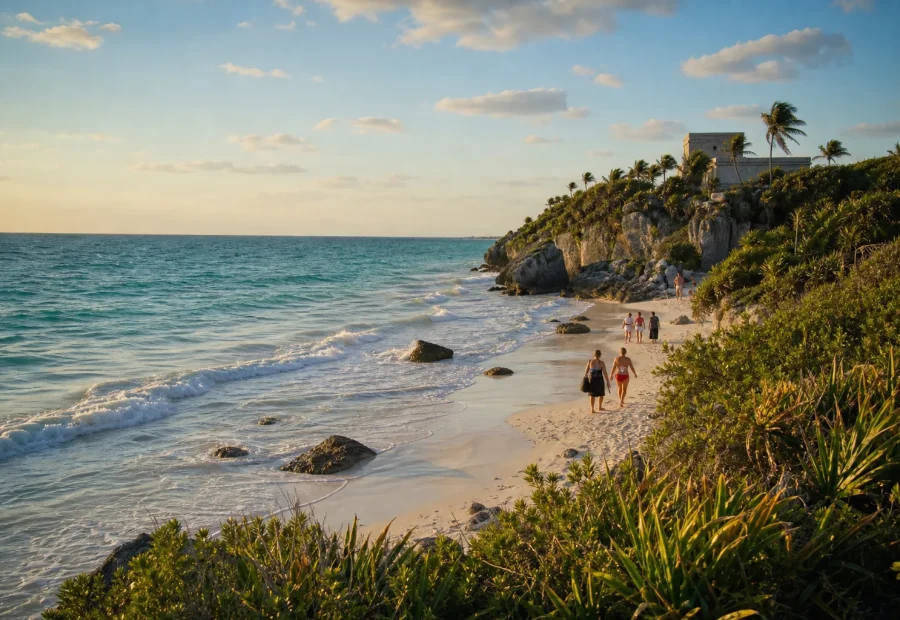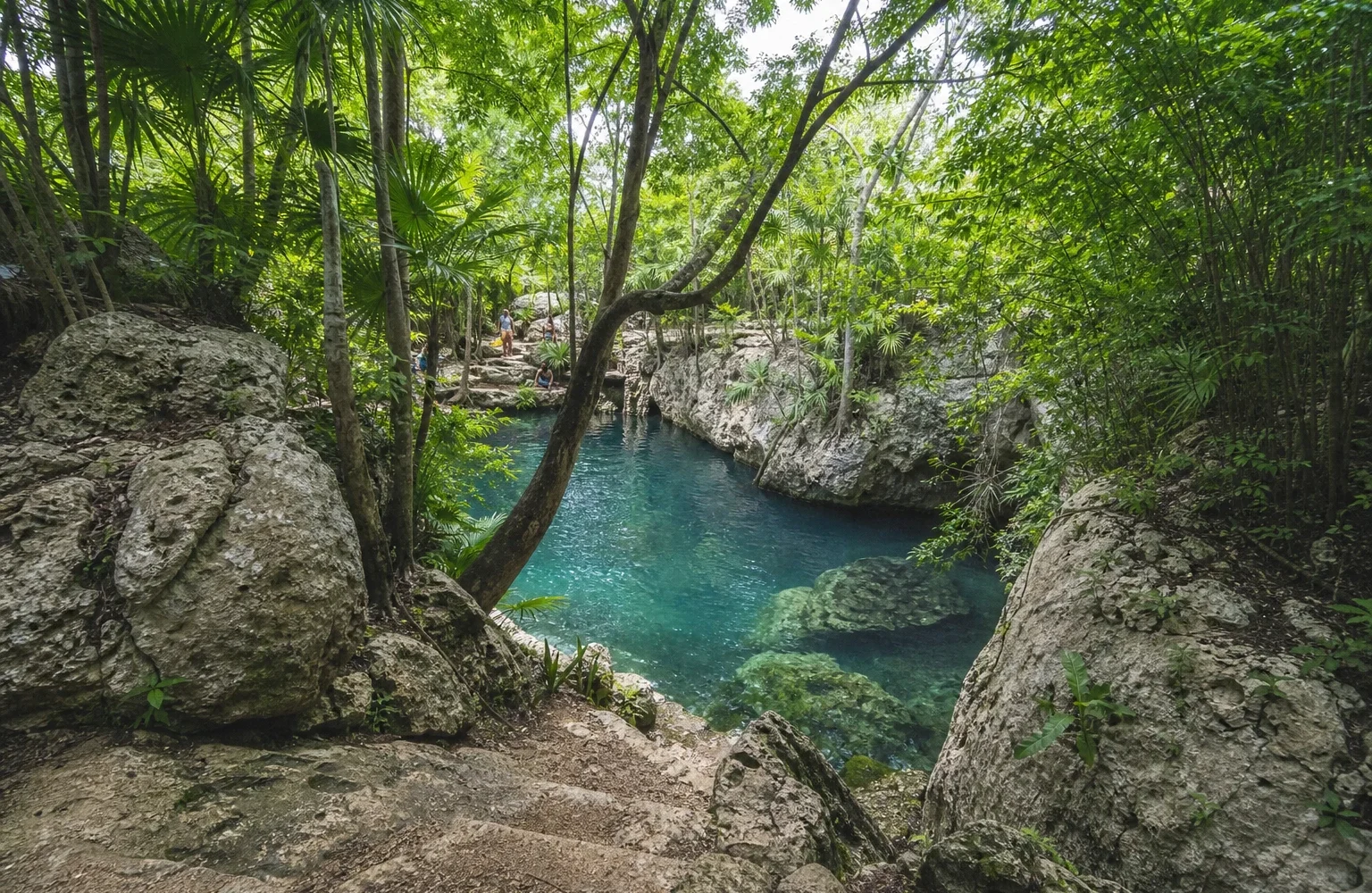
Find a more thoughtful side of Tulum with lesser-known cenotes, lagoons, cultural stops, nature trips, and practical planning advice. This guide also explains how to handle seasonal sargassum, changing fees, holiday crowds, and official ticketing.
Tulum’s most rewarding discoveries often begin with a simple decision: leave room in the schedule. A smaller cenote, an inland lagoon, a cultural space, or a long nature-focused day can reveal more than a rushed checklist. This Tulum hidden gems guide helps you choose those experiences without pretending every secluded-looking place is secret. It also separates dependable planning facts from details that require a fresh local check.
- Choose two or three lesser-known places rather than racing through a long list.
- Confirm admission, reservations, road access, payment methods, and accessibility directly before leaving.
- Keep beach plans flexible, especially from April through August when sargassum is more likely.
- Pair one inland experience with one coastal or cultural stop to reduce weather-related disappointment.
- Use official ticket offices at the Tulum archaeological area and verify the complete cost before paying.
The best choice depends on what “hidden” means to you. Some travelers want clear freshwater and shade. Others prefer archaeology, contemporary art, a long reserve excursion, or a neighborhood meal away from the beach corridor. None of these choices is automatically uncrowded. Timing, weather, road conditions, and social-media attention can turn a low-key stop into a busy one.

All-Inclusive! Tulum Ruins, Tequila Tasting + Swim in 3 Cenotes in Small Group!
At Authentic Tours Tulum we believe in giving back to our community by utilizing locations, restaurants, and employees native to our area. Our guides...

Tulum Ruins Guided Tour from Cancun and Riviera Maya
- Experience the ancient city of Tulum with our knowledgeable guides. - Enjoy our small group format and attention to detail through the Mayan’s mos...
How to use this guide
Treat the places below as planning directions rather than promises of solitude. Build a shortlist by experience type, then verify current operations through the venue, official authority, or a specialist guide. The available authoritative evidence does not establish current prices, transport frequency, reservation rules, or mobility access for the individual cenotes, lagoons, and reserve entry points discussed here.
Keep one backup in a different environment. If the coast is affected by seaweed or rough conditions, switch to an inland activity. If rain changes a swimming plan, consider a cultural stop or a relaxed exploration of town. This small amount of flexibility is more useful than an itinerary packed so tightly that one closure unravels the entire day.
Choose a lesser-known cenote with care
Cenotes are natural swimming environments, not identical pools. Conditions, entry arrangements, water access, and visitor facilities can differ. Start with the Best Cenotes Near Tulum guide to compare the broader field, then narrow the choice according to your confidence in the water, transport plan, and tolerance for crowds. Do not assume that a place described online as “hidden” will lack visitors.
Consider Cenote Escondido
The Cenote Escondido Tulum guide is a useful next step for travelers interested in a focused inland swimming stop. Before visiting, confirm whether advance booking is needed, what forms of payment are accepted, and whether flotation equipment, lockers, toilets, or changing areas are available. Ask specifically about the route from the entrance to the water if anyone in your group has limited mobility.
Compare the setting with Casa Cenote
Casa Cenote offers another named option to research when comparing Tulum-area swimming experiences. Use the Casa Cenote Tulum guide to examine the practical differences before choosing. Current water conditions, equipment policies, admission arrangements, and activity availability should be confirmed close to the visit rather than copied from an old social-media post.
Pack for a low-impact swim
- A securely closing dry bag for essentials
- Drinking water in a reusable bottle
- A towel and dry clothes
- Footwear suitable for wet, uneven surfaces
- Only the swimming equipment permitted by the site
- Cash and a backup payment method, after confirming what is accepted
Follow posted rules and staff instructions, even when they differ from advice found in an old blog or video. Avoid touching formations, leaving waste, or entering closed sections. If your swimming ability is limited, ask about flotation gear and water depth before entering. A beautiful setting does not remove the need for ordinary water safety.
Look inland for lagoon scenery
A lagoon can be a useful alternative when you want a water-centered outing without committing the day to the beach corridor. The Kaan Luum Lagoon From Tulum guide provides a focused planning resource for this option. Confirm current access, admission, transport, weather restrictions, shade, food availability, and rules for entering the water before departure.
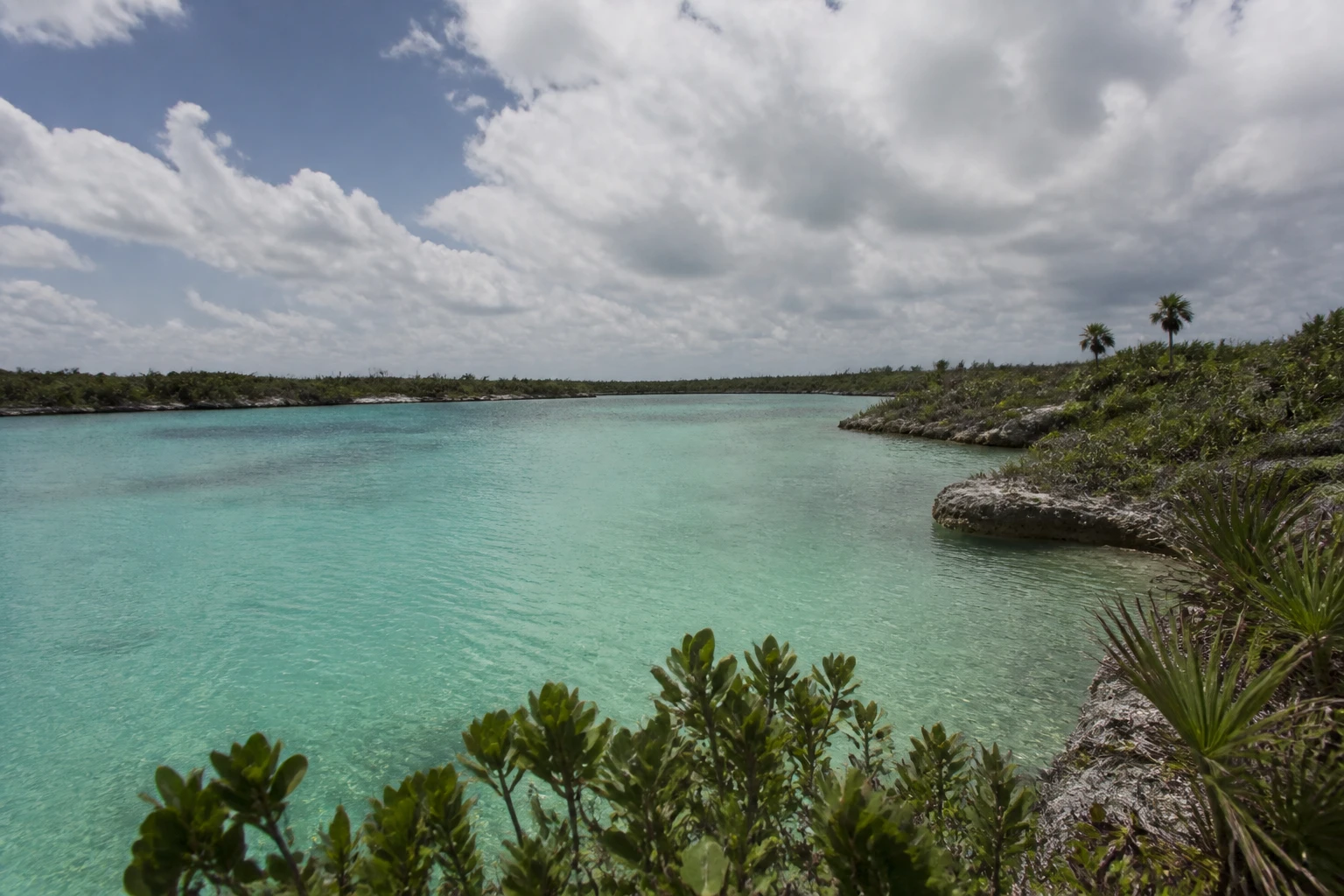
Plan the outing around exposure as well as scenery. Bring drinking water and sun protection, and do not assume that shade, meals, rentals, or secure storage will be available. Avoid taking valuable items you cannot keep with you. If rain, wind, or access restrictions affect the plan, use the time for lunch in town or a cultural visit instead of forcing a water activity.

Tulum Instagram Photo Experience
Discover the most Instagrammable spots in Tulum carefully selected for this unique experience. Elevate your Instagr...

Private Guided Cenotes and Underground River Exploration
Explore an underground river system and 2 cenotes at the same location. All the photos listed here you will see in p...
All-Inclusive! Tulum Ruins, Tequila Tasting + Swim in 3 Cenotes in Small Group!
At Authentic Tours Tulum we believe in giving back to our community by utilizing locations, restaurants, and employe...
Combine archaeology and nature beyond the main ruins
Travelers who want a less conventional archaeology day can research the Muyil Ruins and Sian Kaan guide. It brings together two themes that suit curious visitors: Maya heritage and a protected natural landscape. Because the supplied evidence does not confirm current routes, boat arrangements, entry rules, or transport, verify each part of the day before treating it as a single seamless excursion.
Allow more time than you would for a compact attraction. Nature-focused outings can involve multiple access steps, waiting, changing conditions, and limited services. Carry water, sun and rain protection, and any medication you might need. Ask a prospective operator exactly where the meeting point is, what is included, how long the activity lasts, and what happens if weather interrupts the plan.
Do not substitute the Xelhá archaeological zone without checking
The official INAH visitor listing currently labels the Xelhá archaeological zone temporarily closed. It should not be treated as a visitable hidden-gem alternative unless INAH confirms that it has reopened. This closure concerns the archaeological zone listing, so do not confuse it with similarly named attractions when researching.
Make contemporary culture part of the plan
A cultural stop creates breathing room between swimming and sightseeing days. Travelers curious about art and architecture can consult the SFER IK Museum Tulum guide before deciding whether it fits their interests. Confirm current admission, visitor rules, reservation needs, photography restrictions, age policies, and accessibility directly. Cultural venues can change exhibitions and operating arrangements, so recent confirmation matters.
Give the visit enough time to observe rather than collect photographs at speed. Wear clothing appropriate for the venue, follow staff directions, and keep voices and devices considerate around other visitors. If the location has uneven floors, steps, or special footwear rules, travelers with mobility or sensory concerns should request precise information before booking.
Explore Tulum Pueblo at a slower pace
A hidden-gem day does not need a distant destination. The Tulum Pueblo Travel Guide can help you plan time in town around food, everyday services, and a more grounded rhythm than a chain of headline attractions. Walk only where conditions feel appropriate, protect yourself from heat, and choose businesses based on current menus, posted prices, and recent local information.

Leave space for a long breakfast, a market browse, or an unhurried meal. These small pauses often reveal more about a destination than another rushed transfer. Ask permission before photographing people, avoid blocking entrances, and keep spending with local businesses deliberate rather than performative. A modest purchase and courteous conversation are better than treating a neighborhood as scenery.
Save a full day for Punta Allen or Sian Ka’an
For a larger nature excursion, compare a Punta Allen day trip from Tulum with a broader Sian Ka’an Biosphere Reserve outing. These are better treated as dedicated day plans than quick add-ons. The evidence supplied here does not verify current road conditions, departure points, boat operations, prices, or travel duration, so obtain those details directly before committing.
When evaluating a tour, request the exact meeting location, pickup window, return estimate, cancellation policy, group size, meal details, restroom plan, and included safety equipment. Ask what portion of the experience involves driving or boating. Travelers prone to motion sickness should discuss the likely conditions in advance. Bring less gear than you think you need, but carry enough water and protection for a long day outdoors.
Still comparing Tulum Hidden Gems Planning?
Ask for tour ideas, hotel suggestions, or a simple trip plan that combines both.
Trip Helper
Use the famous ruins as an early-day anchor
The Tulum Archaeological Zone is a major attraction rather than a hidden gem, but it can anchor a varied day. INAH lists daily opening from 8:00 to 17:00, with last entry at 15:30. Arriving near opening can leave the rest of the day available for a smaller cultural, town, or nature stop. Check the official listing again before departure because operating details are time-sensitive.
Understand the layered ticket charges
Official information shows that the total cost is more complicated than a single admission figure. A newer INAH listing gives different INAH rates for foreign and Mexican visitors and also identifies separate GAFSACOMM and CONANP charges. Another official page conflicts on the base fee. Verify the complete amount at official ticket points and do not rely on one old screenshot or quoted total.
INAH specifically advises visitors to purchase Tulum entry tickets directly from official INAH, GAFSACOMM, and CONANP ticket offices. This reduces the risk of fraud and resale schemes. Be cautious if an unofficial seller presents one charge as an all-inclusive official price without a clear explanation.
Know who may qualify for Sunday admission
INAH stated in August 2025 that archaeological-zone admission is free on Sundays for Mexican citizens and foreign residents in Mexico. This is not a general free-entry offer for international tourists. Documentation and eligibility matter, and separately administered charges may still require clarification. Confirm the current policy and total cost before visiting.
Check accessibility rather than assuming it
INAH’s current Tulum listing displays icons for accessibility, toilets, guided tours, and parking or services. It does not explain the extent of step-free access, surface conditions, mobility-device suitability, or accessible transport. Contact the site directly for route-specific information if someone in your group needs a step-free path, seating, accessible toilets, or assistance.
Plan Parque del Jaguar separately from the ruins
A Jaguar National Park Tulum guide can help organize the area around the archaeological visit, but do not assume that every component follows the same schedule. A 2025 INAH bulletin listed Parque del Jaguar from 8:00 to 19:00 with last entry at 17:00, while the archaeological zone closed at 17:00 with last entry at 15:30. Visit the ruins first and check the park’s current details that day.
Ask where the relevant entrance, ticket point, parking area, or transport connection is located before setting out. Similar place names can hide important differences in access. Keep screenshots of official confirmations available offline, but treat them as reference rather than proof that conditions cannot change.
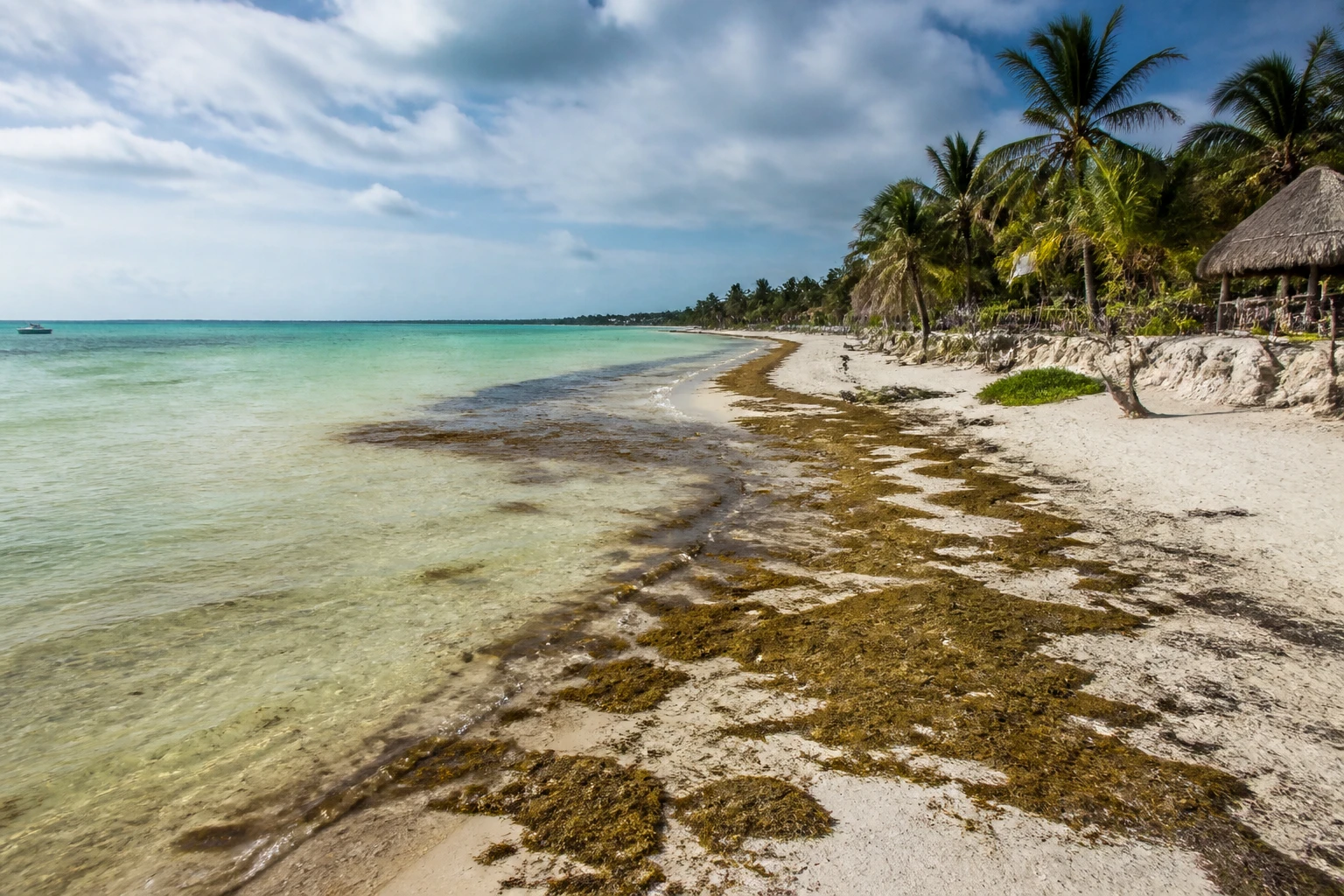
Build flexibility around sargassum season
Tulum’s municipal tourism authority identifies April through August as the period when sargassum is more likely along the Mexican Caribbean coast. This does not mean every beach is covered every day. It does mean that travelers, especially those visiting in late July, should check local beach conditions close to departure and avoid building the entire trip around one stretch of sand.
Sargassum conditions can vary by location and day, so a seasonal forecast cannot establish what a particular beach looks like now. Keep a cenote, lagoon, archaeological, or cultural backup ready. If seaweed is present, follow local instructions rather than crossing cleanup areas or assuming that the next beach will have identical conditions.
The municipal guidance advises against prolonged direct contact with sargassum because it may trigger skin reactions in some people. It also states that pets are prohibited on Tulum beaches. Families and pet travelers should account for these restrictions before choosing a beach day.
Tulum Instagram Photo Experience
Discover the most Instagrammable spots in Tulum carefully selected for this unique experience. Elevate your Instagr...
Private Guided Cenotes and Underground River Exploration
Explore an underground river system and 2 cenotes at the same location. All the photos listed here you will see in p...
All-Inclusive! Tulum Ruins, Tequila Tasting + Swim in 3 Cenotes in Small Group!
At Authentic Tours Tulum we believe in giving back to our community by utilizing locations, restaurants, and employe...
Avoid the busiest holiday periods when possible
A lesser-known location is unlikely to feel secluded when the wider destination is under heavy demand. Mexico’s federal tourism ministry described Tulum as a high-mobility destination during Semana Santa and organized a special safety operation for that period in 2026. Holiday visitors should expect more movement and allow extra time rather than treating the season as hidden-gem timing.
Outside major holidays, early starts can still improve the rhythm of a day, though they do not guarantee an empty site. Avoid advertising fragile locations in real time, respect capacity controls, and leave if an area appears unsafe or environmentally stressed. The goal is a better-planned visit, not exclusive possession of a place.
A practical two-day hidden-gem outline
| Time | Day one: inland and local | Day two: archaeology and nature |
|---|---|---|
| Early morning | Choose one verified cenote or lagoon plan | Visit the Tulum Archaeological Zone near opening |
| Late morning | Continue the same water experience without rushing | Check current Parque del Jaguar access or move to town |
| Afternoon | Return for lunch and time in Tulum Pueblo | Choose one pre-verified cultural or nature stop |
| Evening | Rest, eat locally, and confirm the next day’s details | Keep plans light after a long outdoor day |
This outline deliberately limits daily transfers. Choose either a cenote or lagoon on the first day, not several scattered water stops. On the second day, complete the ruins before their earlier last-entry time, then make a fresh decision based on heat, energy, weather, and current access. A full Sian Ka’an or Punta Allen excursion deserves its own day instead.
What to verify before leaving your accommodation
- Confirm that the destination is open and that the entrance you plan to use is operating.
- Ask about total admission, separate conservation or access charges, and accepted payment methods.
- Check whether reservations, identification, or waivers are required.
- Verify the route, meeting point, parking arrangement, pickup details, and realistic return plan.
- Request specific accessibility information instead of relying on a general icon.
- Check weather, coastal conditions, and any same-day safety notices.
Save the name and address of your accommodation offline, share the day’s plan with someone you trust, and keep enough battery for navigation and calls. If you need local assistance, use official municipal channels. Tulum’s tourism directory publishes contact details and an office location for the municipal public-security authority, which is more dependable than an unverified social-media account.
Responsible habits protect the places you came to see
A hidden gem remains appealing only when visitors respect its limits. Stay inside marked areas, follow swimming and photography rules, carry out waste, and do not remove natural or cultural material. Avoid pressuring staff to bend capacity or safety restrictions. When a place is closed, choose another activity rather than searching for an unofficial entrance.
Spend thoughtfully, ask before photographing people, and treat local neighborhoods as lived-in places. Share general impressions without broadcasting sensitive access points or encouraging rule-breaking. Tulum offers enough variety that a changed plan can still become a memorable day. Curiosity works best when paired with patience, verification, and respect.
Frequently asked questions
What are the best hidden gems near Tulum?
The strongest shortlist depends on your interests. Consider researching Cenote Escondido, Casa Cenote, Kaan Luum Lagoon, Muyil and Sian Ka’an, Punta Allen, SFER IK, and time in Tulum Pueblo. Current admission, access, reservations, transport, and accessibility should be confirmed directly because authoritative operational evidence was not available for every location.
Are Tulum’s hidden gems really uncrowded?
No place can be guaranteed uncrowded. Social-media attention, weekends, weather, and holiday demand can change attendance quickly. Semana Santa is specifically associated with high movement in Tulum, so it should not be presented as a secluded time to visit.
When is sargassum most likely in Tulum?
Tulum’s municipal tourism authority identifies April through August as the period when sargassum is more likely. That seasonal window does not predict conditions at a particular beach on a particular day, so check locally shortly before visiting.
Can international tourists enter the Tulum ruins free on Sunday?
The INAH Sunday policy applies to Mexican citizens and foreign residents in Mexico, subject to eligibility and documentation. It is not a general free-entry policy for international tourists. Confirm current charges, including any separately administered fees, before visiting.
What time should I visit the Tulum ruins?
INAH currently lists the archaeological zone as open daily from 8:00 to 17:00, with last entry at 15:30. An early visit leaves more time for another activity, but operating details should be checked again before departure.
Is the Tulum Archaeological Zone wheelchair accessible?
INAH displays an accessibility icon, but the available listing does not specify the extent of step-free access, terrain conditions, mobility-device suitability, or accessible transport. Contact the site for precise route and facility information before visiting.
Is the Xelhá archaeological zone open?
The official INAH visitor listing currently labels the Xelhá archaeological zone temporarily closed. Do not plan a visit unless INAH confirms that it has reopened, and distinguish the archaeological listing from similarly named attractions.
Where should I buy tickets for the Tulum archaeological area?
INAH advises buying entry tickets directly from official INAH, GAFSACOMM, and CONANP ticket offices. Verify the complete total because official information identifies multiple charges and contains conflicting base-fee information.
All-Inclusive! Tulum Ruins, Tequila Tasting + Swim in 3 Cenotes in Small Group!
At Authentic Tours Tulum we believe in giving back to our community by utilizing locations, restaurants, and employees native to our area. Our guides...
Tulum Ruins Guided Tour from Cancun and Riviera Maya
- Experience the ancient city of Tulum with our knowledgeable guides. - Enjoy our small group format and attention t...