Plan four days in Tulum with a practical route through the ruins, beaches, cenotes, Pueblo, and Sian Ka’an, plus transport, hotel, and budget tips.
Four days in Tulum gives you enough time to see the coast, swim in a cenote, walk through Maya history, and still enjoy a dinner that does not begin with checking the time. This 4 days in Tulum itinerary keeps each day in one main area, which cuts down on traffic and leaves more time for the places you came to experience.
The plan assumes four usable days and at least four nights. If your arrival day starts after lunch, use it as a soft landing and move the full Day 1 schedule to the next morning. The route works best for first-time visitors who want a balanced trip rather than four straight days on the beach.
Key Takeaways
- Keep each day geographically focused: settle in near Pueblo or the beach, pair the ruins with the coast, reserve a separate day for cenotes, and give Sian Ka’an the final day.
- Visit the Tulum ruins early, before the strongest heat and the busiest tour arrivals.
- Choose two cenotes that offer different experiences instead of racing through a long list.
- Use a guided trip for Sian Ka’an unless you are comfortable arranging reserve access, boats, and rough-road transport yourself.
- Plan airport transfers, major tours, and popular restaurants before arrival, but leave one meal and one beach stop flexible.

Tulum Ruins Guided Tour from Cancun and Riviera Maya
- Experience the ancient city of Tulum with our knowledgeable guides. - Enjoy our small group format and attention to detail through the Mayan’s mos...
Your 4-Day Tulum Itinerary at a Glance
This route alternates active mornings with slower afternoons. You get the headline experiences without spending the trip climbing in and out of taxis.
| Day | Main Area | Best Plan | Pace |
|---|---|---|---|
| Day 1 | Tulum Pueblo and Beach Road | Arrive, explore town, and watch sunset near the coast | Easy |
| Day 2 | Tulum National Park | Tour the ruins early, then spend the afternoon at the beach | Moderate |
| Day 3 | Cenote corridor and Pueblo | Swim two contrasting cenotes and return for dinner | Active |
| Day 4 | Sian Ka’an | Explore mangroves, lagoons, wildlife habitat, and coastal scenery | Full day |
Planning note: Keep Day 2 and Day 4 flexible if wind, rain, or sea conditions change. A cenote day is often easier to move than a boat trip.
Day 1: Settle Into Tulum Pueblo and Beach Road
Your first day should feel like an arrival, not an endurance test. Tulum is spread across distinct zones, and the trip becomes easier once you understand how Pueblo, Aldea Zama, the national park, and the southern Beach Road connect.
Morning or Midday: Arrive and Get Oriented
Arrange your transfer before landing, especially if your hotel sits along the Beach Road. The official Tulum International Airport website provides current airport information, while our Tulum airport transportation guide explains the practical differences between transfers, buses, taxis, and rental cars.
After check-in, handle the unglamorous details that make the next three days smoother. Get pesos, confirm pickup locations, save offline maps, and ask your hotel about current road conditions. Tulum traffic can turn a short line on a map into a surprisingly thoughtful relationship with your seat.
Afternoon: Walk and Eat in Tulum Pueblo
Start in Pueblo if you want an easy first look at local restaurants, fruit stands, small shops, and everyday street life. The town is busier and less polished than the coast, but it is also more useful. You can buy sunscreen, water shoes, a dry bag, or anything your suitcase forgot to contribute.
Follow our Tulum Pueblo guide for neighborhood context. Keep lunch simple, walk a few blocks away from the main road, and save a larger appetite for the evening.
Evening: See the Coast Without Overplanning It
Head toward the coast in the late afternoon. Choose a public beach access, a hotel restaurant, or a beach club that matches your budget. You do not need to commit to an expensive daybed on your first evening. A walk, a drink, and the sound of the surf are enough to establish that you have, in fact, arrived in Tulum.
Read the Tulum Beach Road guide before setting out. Return earlier than you think if you are cycling, since road lighting and traffic vary by section.
Day 2: Visit the Tulum Ruins, Then Slow Down at the Beach
Day 2 combines Tulum’s most recognizable historic site with a beach afternoon nearby. The pairing works because both stops sit along the same coastal side of town. You avoid a cross-town scramble and get a natural shift from hot stone paths to salt water.
Early Morning: Enter the Ruins Near Opening
Eat breakfast early and aim to reach the archaeological zone close to opening. The official INAH listing for Tulum currently shows daily hours from 8:00 a.m. to 5:00 p.m., with last access at 3:30 p.m. Hours and entry arrangements can change, so check the official page the day before your visit.
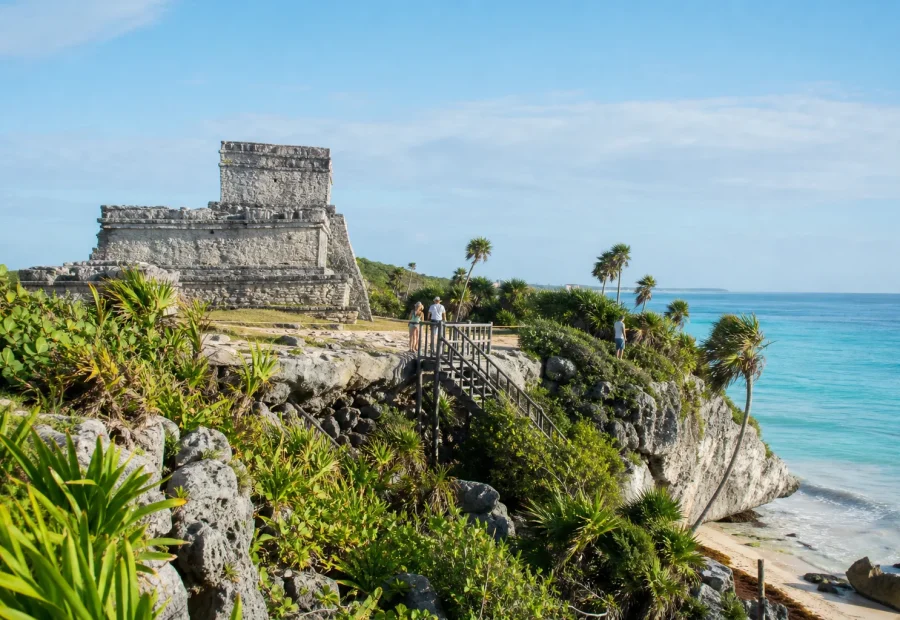
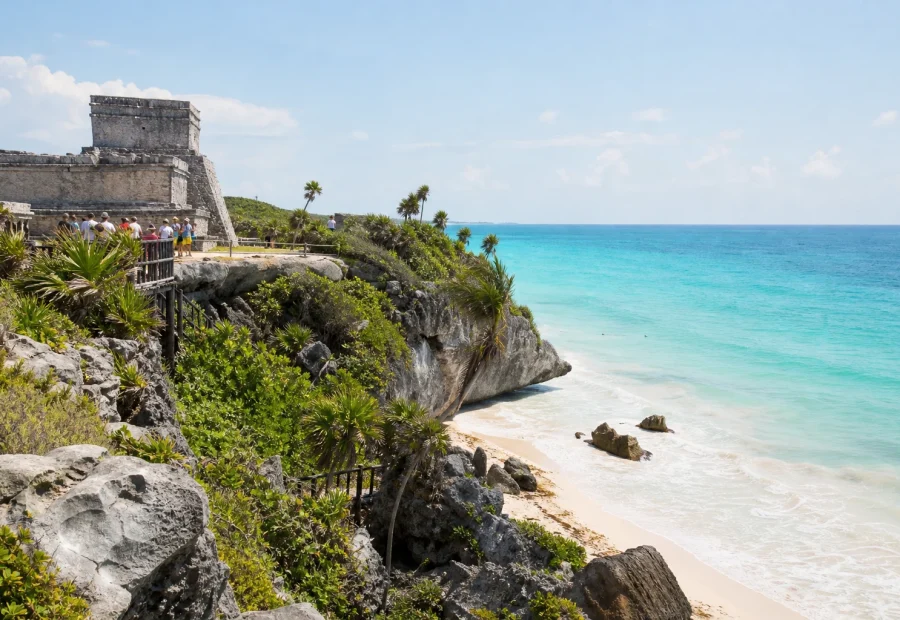
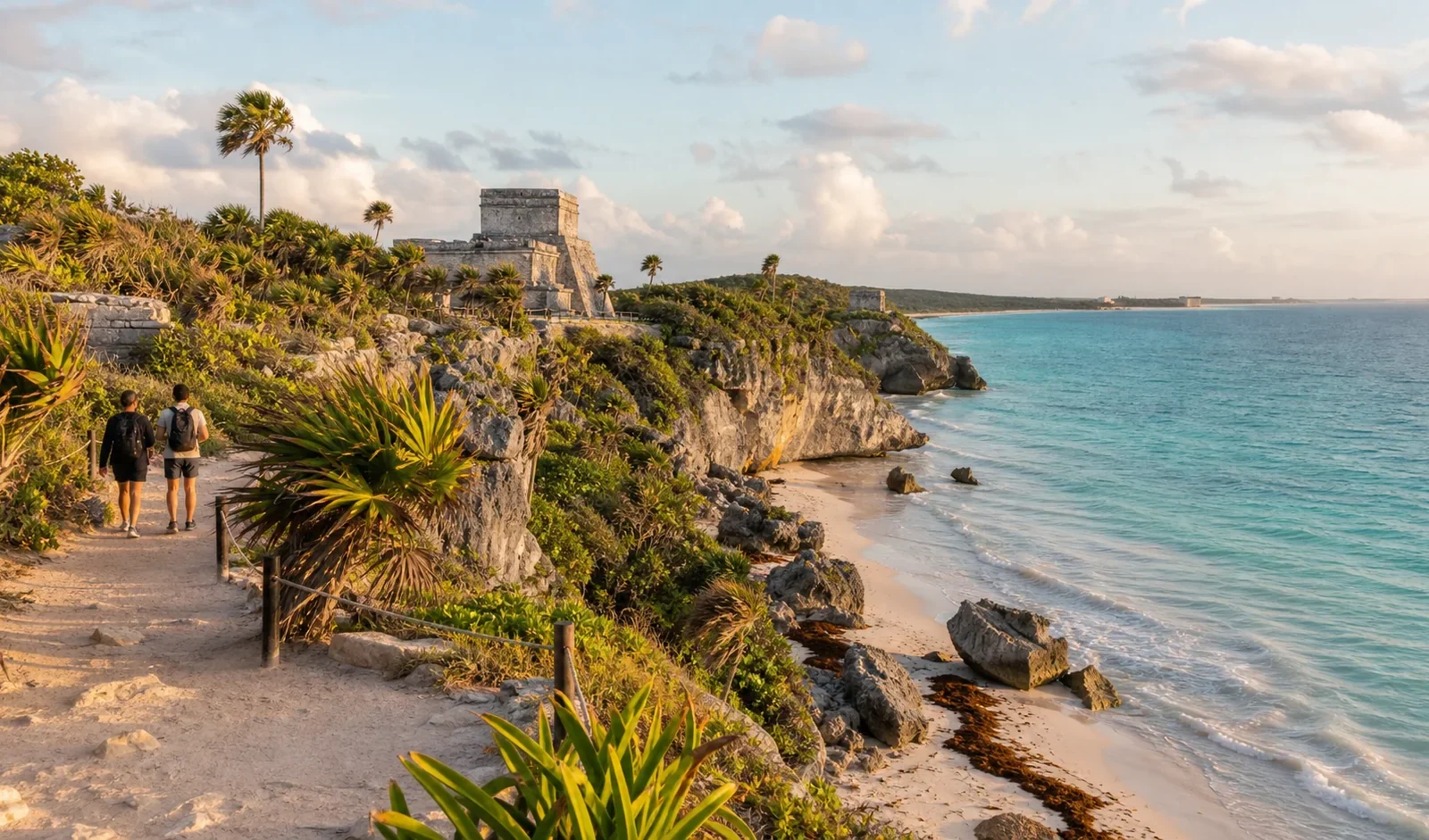
The setting rewards a slow walk. Pale stone buildings rise above the Caribbean, sea wind moves through the open grounds, and the horizon appears between walls and palms. Shade is limited. Bring water, sun protection, and shoes that feel secure on uneven surfaces.
A guide is useful if you want the buildings to become more than a beautiful backdrop. Our Tulum ruins guide covers timing, tickets, transport, and what to expect inside the protected area.

Private Guided Cenotes and Underground River Exploration
Explore an underground river system and 2 cenotes at the same location. All the photos listed here you will see in p...

Chichen Itza, Cenote & Valladolid Tour from Tulum
Journey into the heart of the ancient Maya with a guided tour of Chichén Itzá, one of Mexico’s most celebrated a...

Tulum Instagram Photo Experience
Discover the most Instagrammable spots in Tulum carefully selected for this unique experience. Elevate your Instagr...
Lunch: Keep the Midday Break Practical
After the ruins, take a real break before heading to the sand. Choose a nearby meal or return toward your hotel if that is easier. This is not the moment to cross town for one famous taco. Save the longer food mission for Pueblo, when you are not carrying a beach bag and a day’s worth of sun.
Afternoon: Pick One Beach and Stay There
Choose a beach based on current conditions rather than reputation alone. Ask about waves, access, and sargassum that morning. Public beaches provide flexibility, while a beach club can solve the chair, shade, restroom, and food problem in one reservation. The trade-off is cost and, at some venues, a minimum spend.
Stay for two or three hours instead of attempting a tour of the entire coastline. Swim if conditions are comfortable, read under shade, and let the itinerary breathe. If you are still choosing a base, our guide to where to stay in Tulum explains how beach, town, and residential locations change the trip.
Day 3: Swim Two Cenotes and Return to Pueblo for Dinner
Cenotes are freshwater sinkholes connected to the limestone landscape of the Yucatán Peninsula. Some feel like bright natural swimming pools. Others open into caves, with cool air, dark rock, and shafts of light reaching the water. Choose one open cenote and one cave or semi-open cenote for a more interesting day.
Choose Two Cenotes That Fit Your Group
Use the best cenotes near Tulum guide to compare swimming style, location, crowds, and facilities. Strong swimmers may enjoy deeper water and snorkeling. Families may prefer gradual entry, visible staff, restrooms, and easy platforms. Anyone with limited mobility should check stairs, ladders, and walking surfaces directly with the venue.
Leave early and put the most popular cenote first. Two stops are usually enough. A third can turn clear blue water into a race involving damp towels and increasingly creative parking.
Follow the Water Rules
- Shower before entering when required.
- Follow local rules about sunscreen, insect repellent, cameras, and life jackets.
- Bring cash, since payment systems and mobile signals can be unreliable.
- Use sandals or water shoes with grip on wet stone.
- Keep valuables to a minimum and rent a locker when available.
Evening: Return for a Relaxed Pueblo Dinner
After cool freshwater and a dusty road, Pueblo feels warm and lively. Look for a place with a focused menu and a steady local crowd. Order tacos, grilled seafood, regional dishes, or a tasting menu depending on the day’s budget. Our guide to the best Tulum food tours is useful if you would rather have someone connect the dishes, neighborhoods, and stories for you.
Keep the night moderate. Day 4 starts early, and a boat ride is not improved by a heroic late-night cocktail decision.
Day 4: Explore Sian Ka’an Biosphere Reserve
Use your final day for the landscape that gives southern Tulum its wild edge. Sian Ka’an protects mangroves, tropical forest, wetlands, lagoons, coastline, seagrass beds, and part of the Mesoamerican Barrier Reef. UNESCO describes it as one of Mexico’s largest protected areas, with more than 300 recorded bird species.
Choose the Muyil Side or the Punta Allen Side
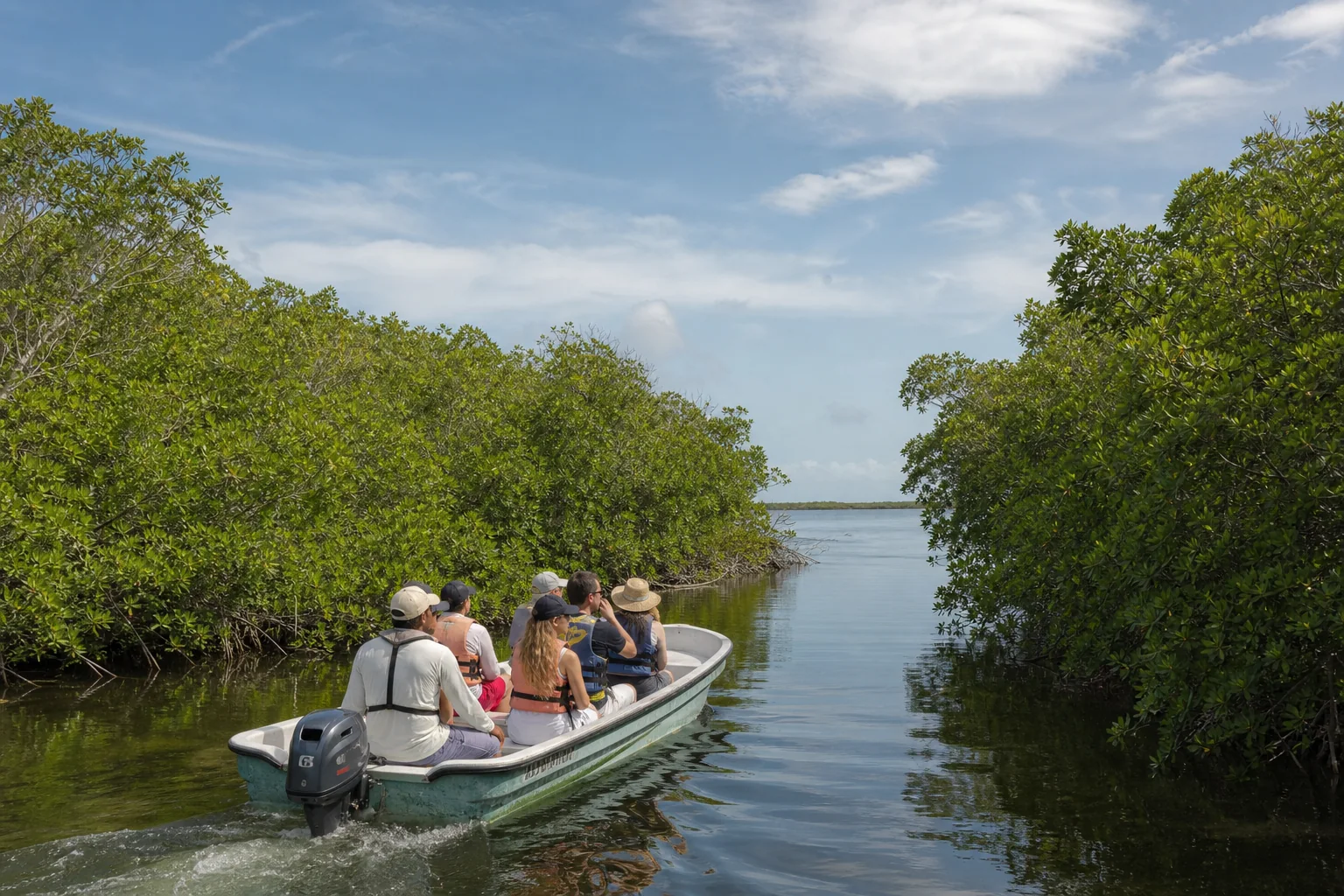
The Muyil side is usually the easier choice for travelers who want lagoons, Maya history, and a shorter transport day. Routes may combine forest paths, the Muyil archaeological area, a lagoon boat, and a float through clear channels.
The Punta Allen side suits travelers who want a longer coastal expedition. Expect more road time and a fuller day. Conditions influence every boat route, so wildlife sightings and exact stops are never guaranteed.
Our Sian Ka’an guide from Tulum compares the two approaches. The official CONANP reserve page lists current protected-area information and fees. You can also read the UNESCO Sian Ka’an profile for conservation context.
Still comparing Tulum 4 Day Itinerary With Transport And Day Trips?
Ask for tour ideas, hotel suggestions, or a simple trip plan that combines both.
Trip Helper
Why a Guided Day Makes Sense
A guided trip handles the awkward pieces: pickup, reserve access, boat coordination, local rules, and changing road conditions. Compare what is included before booking. Some prices cover lunch and protected-area fees, while others list them separately.
If a full reserve day feels too long, replace it with a Cobá ruins day trip or an Akumal snorkeling day trip. Pick one. Both require enough time to deserve the day.
Where to Stay for Four Days in Tulum
Your hotel location changes this itinerary more than the room’s thread count. Pick the base that supports most of your evenings and accept that one or two days will require a longer transfer.
Tulum Pueblo: Best for Value and Food
Pueblo works well if you want restaurants, practical shops, bus connections, and a wider range of prices. You will travel farther for the beach, but cenote and Highway 307 outings can feel simpler.
Beach Road: Best for Coastal Time
Stay near the beach if morning swims and oceanfront evenings matter most. Budget carefully for meals and transport. The road can move slowly, especially around popular dining hours.
Aldea Zama: A Residential Middle Ground
Aldea Zama places you between Pueblo and the coast. It can suit travelers who want apartment-style space, a quieter base, and access to both sides by bike or taxi. Check the exact property location, since the neighborhood covers a broad area.
How to Get Around Tulum in Four Days
No single transport option wins every day. A flexible mix usually costs less and wastes less time.
- Walking: Useful within central Pueblo and compact hotel areas, but not between every zone.
- Bicycle: Practical for confident riders during daylight on shorter routes. Heat, darkness, rain, and traffic can change the calculation quickly.
- Taxi: Convenient for point-to-point travel. Confirm the fare before getting in and carry small bills.
- Colectivo: Helpful for selected stops along Highway 307, but not ideal with luggage or for places far from the highway.
- Rental car: Most useful on the cenote day or for independent regional trips. Review insurance, parking, and return conditions carefully.
- Guided transfer or tour: Often the easiest choice for Sian Ka’an, especially when boats and reserve access are involved.
Tren Maya service may help with regional connections, but station transfers still matter. Check current routes and intermodal connections on the official Tren Maya information page before building a same-day plan around a train.
What to Budget for a Four-Day Tulum Trip
Tulum can behave like several destinations sharing one postcode. Pueblo meals, public beaches, and independent transport can keep costs controlled. Beachfront hotels, private transfers, premium clubs, and private tours raise the total quickly.
| Travel Style | Where to Save | Where to Spend |
|---|---|---|
| Value-focused | Stay in Pueblo, eat locally, use public beach access, and choose independent cenotes | One guided ruins or reserve experience |
| Midrange | Mix casual meals with one special dinner and use taxis only for awkward routes | A comfortable hotel, two cenotes, and a guided Sian Ka’an day |
| Higher-spend | Bundle transfers and compare inclusions before booking | Beachfront lodging, private transport, beach clubs, and private guides |
Ask what each quoted price includes. Entrance fees, lockers, life jackets, camera permits, protected-area fees, food, parking, and tips may be separate. Current prices matter more than an old online average, so confirm the final amount before leaving your hotel.

Tulum Ruins, Cenote Cave and Swimming with Turtles From Tulum
A guided tour of the Tulum Mayan ruins, swimming with sea turtles in Akumal and a jungle oasis cenote swim in the Ri...

Sian Kaan Muyil Floating Canals
Enjoy the most magical and relaxing experience available for our travelers, guided by the experts since 1988 native...
Tulum Ruins Guided Tour from Cancun and Riviera Maya
- Experience the ancient city of Tulum with our knowledgeable guides. - Enjoy our small group format and attention t...
The Best Time for This Tulum Itinerary
Late fall through early spring often brings more comfortable sightseeing weather, but it also attracts more visitors. Summer days feel hotter and wetter, so early starts become more important.
Tulum’s municipal tourism office identifies April through August as the period when sargassum is more likely to reach the coast. That does not mean every beach is covered every day. Check recent conditions and keep the cenote day movable. The municipal Tulum sargassum guidance explains current management and beach-cleaning efforts.
The Atlantic hurricane season officially runs from June 1 through November 30, according to NOAA. Monitor forecasts, keep travel insurance details accessible, and follow local instructions if a storm threatens the region.
Where to Eat During Four Days in Tulum
Match meals to the day’s geography. This prevents a long taxi ride for dinner when everyone is hungry, sun-tired, and suddenly passionate about immediate guacamole.
- Day 1: Eat in Pueblo so you can explore without reservations controlling the afternoon.
- Day 2: Choose a practical lunch near the ruins or your beach, then book one polished dinner if you want it.
- Day 3: Return to Pueblo for tacos, regional cooking, seafood, or a guided food experience.
- Day 4: Confirm whether your Sian Ka’an tour includes lunch. Keep the evening meal close to your hotel.
Reservations make sense for a specific chef-driven restaurant or a popular beachfront table. Leave at least one dinner open. The place you notice while walking may become the meal you remember.

What to Pack for Four Days in Tulum
- Breathable clothing and a light rain layer
- Comfortable walking shoes plus sandals with grip
- Swimsuit, quick-dry towel, and a small dry bag
- Reusable water bottle
- Sun hat and sunglasses
- Portable battery and offline maps
- Pesos in small denominations
- Any medication you may need for heat, motion, or stomach sensitivity
Use sun and insect products responsibly, and follow the rules at cenotes and protected areas. Some sites restrict what can enter the water.
How to Adjust This Itinerary
If You Have Only Three Days
Remove Sian Ka’an or replace Day 1 with a short arrival evening. Our 3 days in Tulum itinerary provides a tighter version.
For Families
Choose cenotes with easy entry and strong facilities, shorten the ruins visit, and build in a pool break. The Tulum with kids guide covers family-specific pacing and transport decisions.
For Couples
Keep the same daytime route, then invest in one sunset dinner, a private or small-group reserve tour, or a hotel with a calm pool. Do not overbook romantic moments. They tend to work better when nobody is checking a pickup time.
For Rain or Rough Seas
Move the cenote and Pueblo day forward, delay the boat trip, and ask operators about cancellation policies. Heavy rain can affect roads and water visibility. Never pressure a captain or guide to operate in conditions they consider unsafe.
Frequently Asked Questions
Is Four Days Enough for Tulum?
Yes. Four full days are enough for the Tulum ruins, beach time, a cenote day, Pueblo meals, and one major nature or regional trip. You will not see every nearby attraction, which is exactly why the schedule remains enjoyable.
How Many Nights Do I Need for Four Days in Tulum?
Plan at least four nights if you arrive early and leave late. Five nights are more comfortable when flights remove most of the first or final day.
Do I Need a Car for This Itinerary?
No. You can combine prearranged transfers, taxis, bikes, and guided tours. A rental car is most useful for independent cenote visits or regional day trips.
Where Should First-Time Visitors Stay?
Stay in Pueblo for value and food access, on the Beach Road for coastal time, or in Aldea Zama for a residential middle ground. Choose based on where you want to spend your evenings.
Can I Combine the Ruins and Cenotes in One Day?
You can, especially on a guided tour, but the day becomes more structured. Keeping them separate gives you a beach afternoon after the ruins and more choice on the cenote day.
Should I Book Tulum Tours in Advance?
Book airport transfers, small-group Sian Ka’an trips, and any must-do guided experience before arrival. Independent beach visits and many casual meals can remain flexible.
Conclusion
The best four-day Tulum plan gives each landscape enough room to make an impression. Start with Pueblo and the coast, visit the ruins before the heat builds, spend a full day in cenote water, and finish among the mangroves and lagoons of Sian Ka’an.
Keep the ruins, cenotes, and reserve day fixed as your three anchors. Let beach time, meals, and evening plans respond to weather and energy. That balance creates a 4 days in Tulum itinerary that feels complete without turning the trip into a checklist.
Tulum Ruins, Cenote Cave and Swimming with Turtles From Tulum
A guided tour of the Tulum Mayan ruins, swimming with sea turtles in Akumal and a jungle oasis cenote swim in the Riviera Maya plus round-trip transpo...
Tulum Ruins Guided Tour from Cancun and Riviera Maya
- Experience the ancient city of Tulum with our knowledgeable guides. - Enjoy our small group format and attention t...