Plan a realistic 3 days in Tulum itinerary with ruins, beaches, cenotes, downtown dining, transport tips, and flexible weather backups.
Three days in Tulum is enough time for a strong first look at the coast if you plan by area and resist the urge to collect every landmark. This 3 days in Tulum itinerary combines a gentle arrival, the archaeological zone, a real beach block, one cenote outing, and meals in town. It also leaves room for weather, traffic, and the swim that lasts longer than expected.
Key Takeaways
- Stay near the activities you value most because downtown, the beach road, the ruins, and cenote routes are separate zones.
- Keep arrival day light with one beach block or a walk through town.
- Visit the Tulum archaeological zone early, then remain near the coast instead of crossing town repeatedly.
- Give the third day to one or two compatible cenotes and an unhurried dinner in Tulum Pueblo.
- Check sea conditions, sargassum, official opening information, and tour pickup details close to travel.

Tulum Ruins, Turtles in Akumal and Cenote tour
On this tour, you’ll explore the top attractions of the Riviera Maya. Begin with a visit to the ancient ruins of Tulum, followed by snorkeling along...

Tulum Ruins, Cenote Cave and Swimming with Turtles From Tulum
A guided tour of the Tulum Mayan ruins, swimming with sea turtles in Akumal and a jungle oasis cenote swim in the Ri...
A Realistic 3 Days in Tulum Itinerary
This itinerary assumes three full or nearly full days. If your first day begins after a late flight or a long transfer, treat it as an arrival evening and move the beach block to Day 2. Travelers staying on the beach will spend less time reaching the sea. Downtown guests will have easier access to restaurants, groceries, buses, and roads leading inland.
The plan has one anchor each day:
- Day 1: settle in, choose one beach area, and eat near your accommodation
- Day 2: Tulum ruins early, followed by the coast and a relaxed evening
- Day 3: a cenote morning, Tulum Pueblo, and a flexible final meal
That rhythm works because it limits backtracking. It also gives you an inland option if wind, waves, or sargassum make the beach less appealing.
Day 1: Settle In and Meet the Caribbean
Start with the easiest good experience near your hotel. After check-in, confirm how you will reach the beach, where you can withdraw pesos, and whether any reservations need reconfirmation. Save long drives and timed tours for later.
If you arrive before lunch and the sea looks inviting, choose one beach zone for the afternoon. The northern coast near the national park offers a wide, scenic setting. The hotel zone has restaurants and beach clubs with loungers, food, and facilities, but each property sets its own access and spending policy. Confirm the current arrangement before traveling down the beach road.

Bring a compact beach bag with water, a hat, a dry pouch, and a light cover. Natural shade can be limited. Same-day sea conditions matter more than a photograph from last month, so keep a pool, cafe, or town walk in reserve.
Dinner on the First Night
Eat near where you finish the afternoon. Downtown offers the broadest range of taquerias, seafood, casual dining, and creative kitchens. A beach-road dinner can be memorable, but transport home should be part of the reservation plan.
Keep the first night calm if Day 2 includes an early ruins visit. Save late nightlife for the evening before a slower morning.
Day 2: Tulum Ruins and the Coast
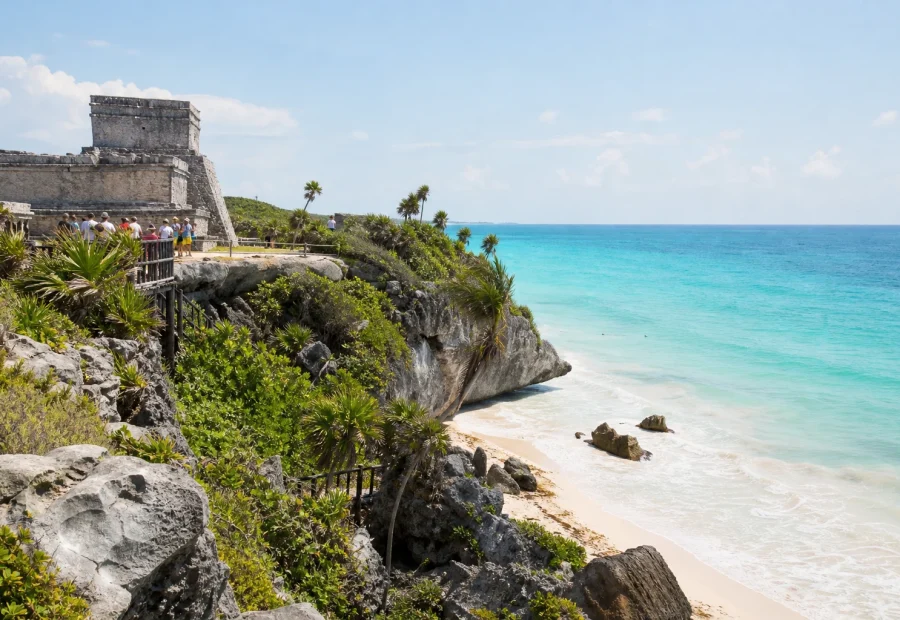
Begin at the Tulum archaeological zone as early as practical. The open stone paths have limited shade, and the Caribbean light is softer before the middle of the day. The official INAH Tulum page publishes current hours, access information, and fees. Check it shortly before visiting because operations can change.
Give the site at least 90 minutes, more if you hire a guide or enjoy reading every sign. The walled settlement was known as Zama in early sources, a name connected with morning or dawn. Its position above the sea helped link coastal trade, defense, and religious life. El Castillo, the Temple of the Frescoes, and the wall itself make more sense when viewed as parts of a functioning port city.
Wear supportive shoes, carry water, and use sun protection. Follow the marked route and current park instructions. Buildings and restricted areas should not be climbed or crossed for photographs.
Add a Beach Without Crossing Tulum Twice
After the ruins, stay in the coastal zone. Choose a public beach or a reserved beach-club day based on the day’s access rules and water conditions. If the beach is rough or heavily affected by sargassum, use the afternoon for a shaded lunch, the park’s cultural facilities, or an earlier return to your hotel.
Do not schedule a distant cenote after the ruins just because both fit on paper. Heat, entrance logistics, and traffic can turn that combination into a rushed day. A long swim and lunch near the coast is the better contrast.
Tulum Ruins, Cenote Cave and Swimming with Turtles From Tulum
A guided tour of the Tulum Mayan ruins, swimming with sea turtles in Akumal and a jungle oasis cenote swim in the Ri...
Tulum Ruins, Turtles in Akumal and Cenote tour
On this tour, you’ll explore the top attractions of the Riviera Maya. Begin with a visit to the ancient ruins of T...
Evening Options
Return to town for dinner if you want a broader price range and an easy walk afterward. Stay near the beach if sunset and a slower meal matter more than cost. Confirm the taxi fare before the ride when a fixed price has not already been arranged.
Day 3: Cenote Morning and Tulum Pueblo
Choose one cenote that suits your group rather than the one with the loudest reputation. Open cenotes provide bright water and visible edges. Cave and semi-open systems can involve steep stairs, cooler temperatures, darker passages, and deeper water. Ask about access, life-jacket rules, lockers, and payment before leaving Tulum.
Good planning matters more than the number of stops. One substantial swim can fill a morning once you include transport, changing, a safety briefing, and time to dry off. Two cenotes work when they are close together and offer genuinely different settings.
Use the best cenotes near Tulum guide to compare styles, or read the Casa Cenote guide for a more specific plan. Carry pesos, a towel, water, and a dry bag. Shower when requested and follow the site’s rules about sunscreen, makeup, oils, and camera equipment.
Spend the Final Afternoon in Town
After the swim, return to Tulum Pueblo for lunch and a practical final afternoon. This is the easiest time to browse small shops, buy snacks for the transfer, or sit over coffee without watching a tour clock. Side streets often feel more pleasant than a long walk beside the main highway.
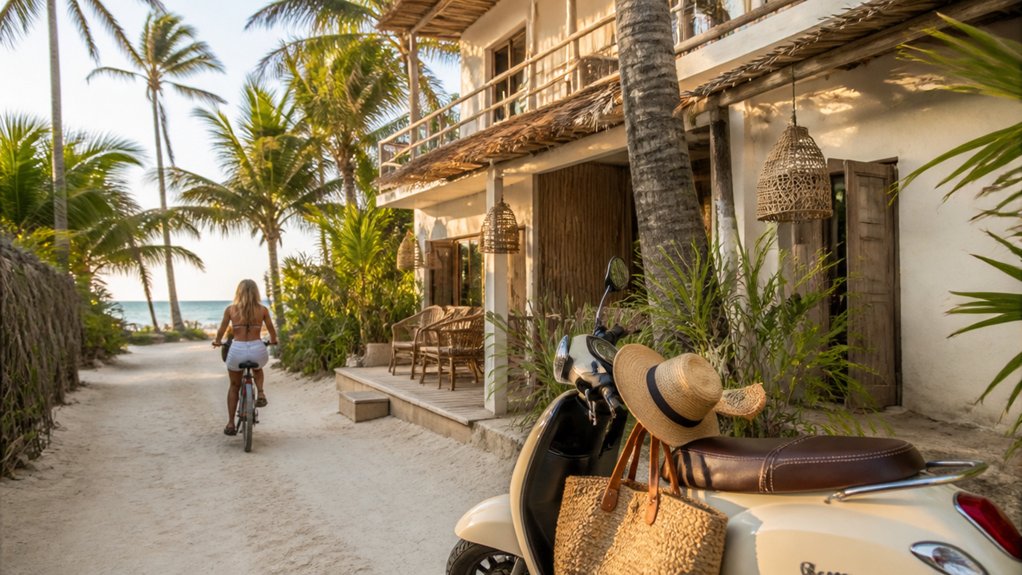
If you still have energy, rent a bicycle for a short daylight ride or book a spa treatment close to your hotel. Avoid placing a nonrefundable dinner immediately after a remote cenote transfer.
Where to Stay for a Three-Day Trip
Choose the beach zone when daily sea access is the main goal and the higher food and transport costs fit the budget. Choose downtown when restaurant choice, day-trip departures, and everyday convenience matter more. Aldea Zama and La Veleta offer many newer apartments and hotels, but road conditions, construction, and nighttime access can vary by block.
The where to stay in Tulum guide compares the main areas in more detail. Check the exact map pin before booking. A property name may include Tulum even when its entrance is far from the places you plan to visit.
How to Get Around
Walking is useful within compact parts of downtown or between nearby beach-road venues. It is not a complete transport plan for the whole destination.
- Bicycles work best for confident riders during cooler daylight hours.
- Taxis are convenient for direct trips; agree on the fare before leaving when needed.
- Rental cars simplify cenote and regional outings but add parking, insurance, and navigation decisions.
- Buses and colectivos help on some highway routes, though the final distance to a beach or cenote still matters.
- Organized tours are useful when a guide, protected-area access, or multiple logistics add real value.
Download maps and reservation details before leaving reliable Wi-Fi. Keep accommodation directions and an emergency contact available offline.
What to Book Before You Arrive
Reserve accommodation, airport transport, and any high-priority tour first. Book a popular dinner or beach bed only if it matters enough to shape the day. Leave ordinary meals and at least one half-day flexible.
Before each outing, confirm:
- The official entrance or meeting point
- Pickup coverage for downtown versus the beach road
- Included fees, equipment, meals, and cancellation terms
- Swimming, mobility, or age requirements
- The current weather and sea conditions
Still comparing Tulum Ruins And Cenote Itinerary Planning?
Ask for tour ideas, hotel suggestions, or a simple trip plan that combines both.
Trip Helper
Budget and Payment Tips
Tulum can be expensive along the beach road, while downtown offers more everyday choices. Set a daily transport allowance because repeated taxis can change the cost of a lower-priced hotel.
Carry pesos in smaller denominations for taxis, tips, cenotes, and businesses with weak card connections. Use established bank cash machines where possible. Check the currency and total before approving a card payment.
Rain, Wind, and Sargassum Backup Plans
Rain often arrives in bursts, but strong weather can alter roads, boat trips, and outdoor sites. A light rain layer and waterproof phone pouch are useful. Move a cenote or town block into a rough beach day when conditions allow.
Sargassum varies by season, current, wind, and cleanup. Check recent local conditions on the day. A cenote, pool, cooking experience, spa, or extended town lunch can replace a beach block without weakening the trip.
Frequently Asked Questions
Is three days enough for Tulum?
Three days is enough for the ruins, a meaningful beach block, one cenote outing, and time in town. It is not enough for every major day trip. Add two or three nights if Sian Ka’an, Coba, Chichen Itza, or several slow beach days are priorities.
Do I need a rental car?
No. A taxi and tour combination can cover this itinerary. A car becomes more useful when you want independent cenote visits or a regional day trip. Compare the full rental and parking cost with the trips you would otherwise buy.
Should I visit Sian Ka’an during a three-day trip?
Choose Sian Ka’an only if nature is one of your top priorities. Give the reserve its own day and remove either the cenote day or most of the beach time. Read the Muyil and Sian Ka’an guide before choosing the route.
Which day should be flexible?
Keep Day 1 or Day 3 flexible. This makes it easier to respond to sea conditions, delayed arrival, or a tour schedule without sacrificing the ruins morning.
Can families use this itinerary?
Yes. Shorten the beach and ruins blocks, confirm easy-entry cenotes, and protect the hottest part of each day for lunch or rest. Ask about car seats, life-jacket sizes, stairs, and bathroom access before booking transport or tours.
Conclusion
The best 3 days in Tulum itinerary connects places that belong together. Settle in by the coast, visit the ruins before the heat, and dedicate the final morning to freshwater and town. Book the few moments that need certainty, then protect enough open time for changing Caribbean conditions. If a fourth day appears, add one major outing instead of squeezing it into the first three.
Tulum Ruins, Turtles in Akumal and Cenote tour
On this tour, you’ll explore the top attractions of the Riviera Maya. Begin with a visit to the ancient ruins of Tulum, followed by snorkeling along...
Tulum Ruins, Cenote Cave and Swimming with Turtles From Tulum
A guided tour of the Tulum Mayan ruins, swimming with sea turtles in Akumal and a jungle oasis cenote swim in the Ri...