Arrive early
Open stone paths become hot and busy. An early start improves comfort and leaves room for a nearby swim or meal.
Tourism Tulum guide
Visit Tulum, Coba, Muyil, and other Maya sites with context, realistic timing, and respect for the places around you.
Read latest guides
Open stone paths become hot and busy. An early start improves comfort and leaves room for a nearby swim or meal.
A knowledgeable guide or reliable background reading turns separate buildings into a story about trade, belief, landscape, and power.
Barriers protect fragile structures and vegetation. Follow marked paths and current site rules even when an old photo shows different access.
Plan with confidence
The archaeological sites around Tulum are not interchangeable. Tulum is a compact walled city on a dramatic Caribbean cliff. Coba spreads through inland forest along long paths. Muyil connects architecture with the lagoons and wetlands of Sian Ka'an. Visiting more than one can deepen the trip because each reveals a different relationship between Maya communities, trade routes, water, and terrain.
Approach these places as cultural sites first and photo locations second. A little historical context explains why buildings face certain directions, how coastal trade worked, and why modern Maya communities are part of the living region rather than a chapter that ended at the ruins.
Tulum works well for a first archaeological visit or a shorter morning. The sea view is extraordinary, but the paths are exposed and shade is limited. Coba is a longer outing with more distance between structures, while Muyil suits travelers who want a quieter site and a nature-focused lagoon experience nearby.
Chichen Itza is possible as a long day trip, but the drive and scale make it a different commitment. Compare the value of independent transport with a tour that handles logistics and adds a qualified guide.
Interpretive signs offer a foundation, but a good guide can connect architecture, trade, astronomy, ritual, and everyday life. Look for explanations grounded in evidence rather than sensational claims. Ask how the site changed over time and how it related to other settlements.
Allow yourself to observe small details: doorways, painted traces, sight lines, causeways, defensive walls, and the orientation of buildings. These often communicate more than rushing toward the most famous structure.
Wear breathable clothing, supportive shoes, a hat, and sun protection. Carry water and use facilities before entering when access is limited. Drones, tripods, professional equipment, food, and bags may be regulated, so check current official rules before bringing extra gear.
Do not climb, touch carvings, cross barriers, or remove stones. Buy crafts from reputable local sellers when possible, and remember that Maya language, food, art, and communities continue throughout the peninsula.
Keep exploring
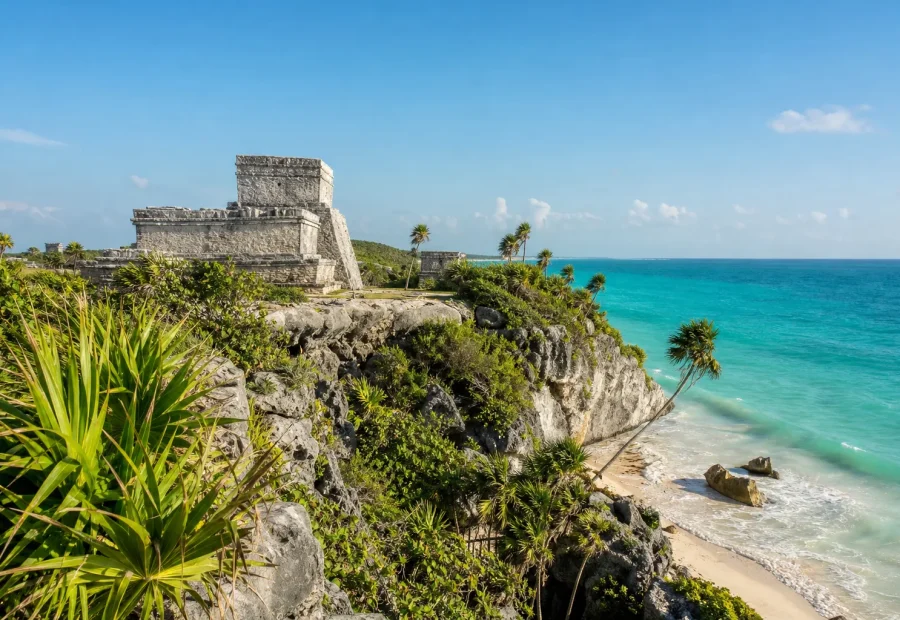
Plan a visit to the Tulum Archaeological Zone with current ticket guidance, the July 20, 2026 fare change, official hours, accessibility cautions, and practical tips for avoiding confusion at the entrance.
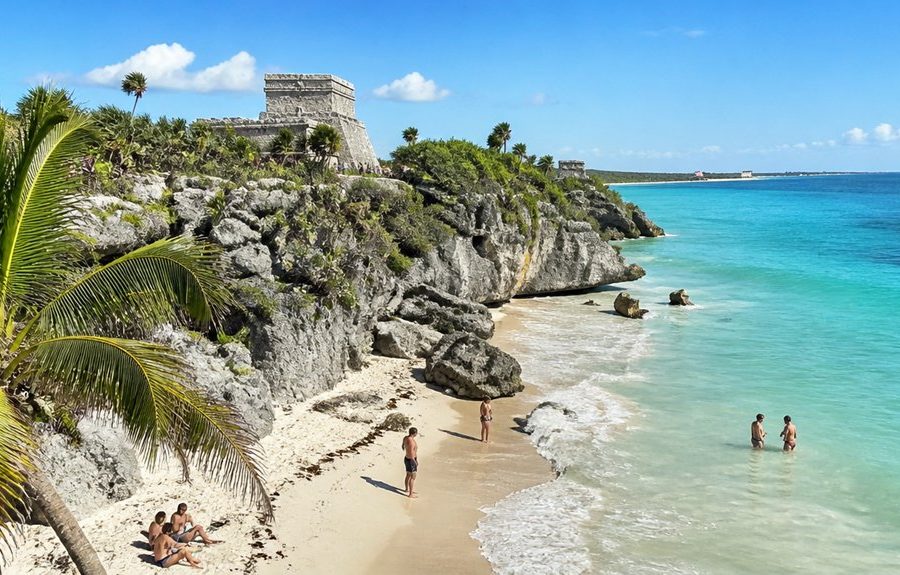
See how to time Playa Ruinas Tulum for epic views, fewer crowds, and one detail most visitors miss.

Plan a Muyil ruins and Sian Kaan day trip with practical advice on transport, tickets, lagoon boats, canal floating, and timing.