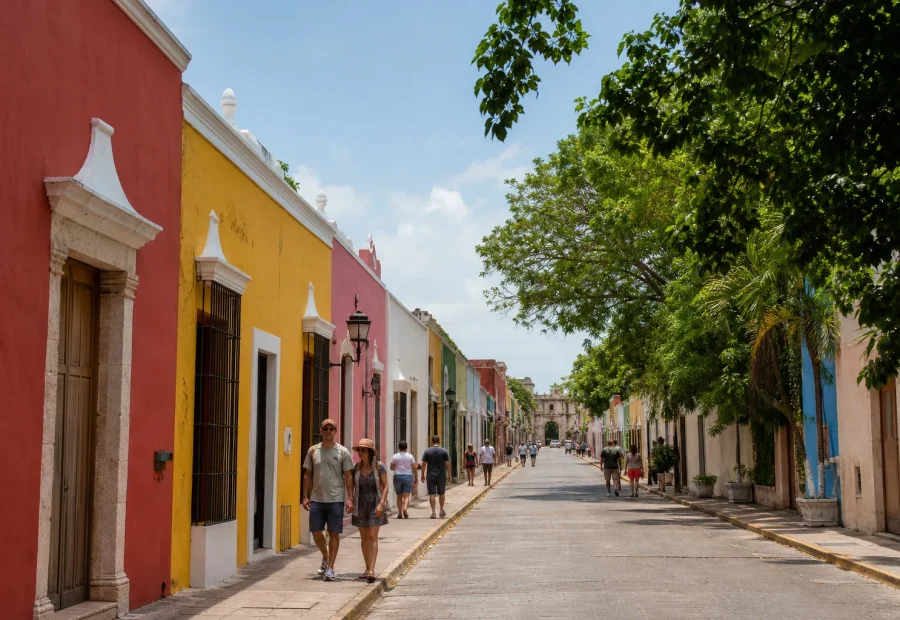
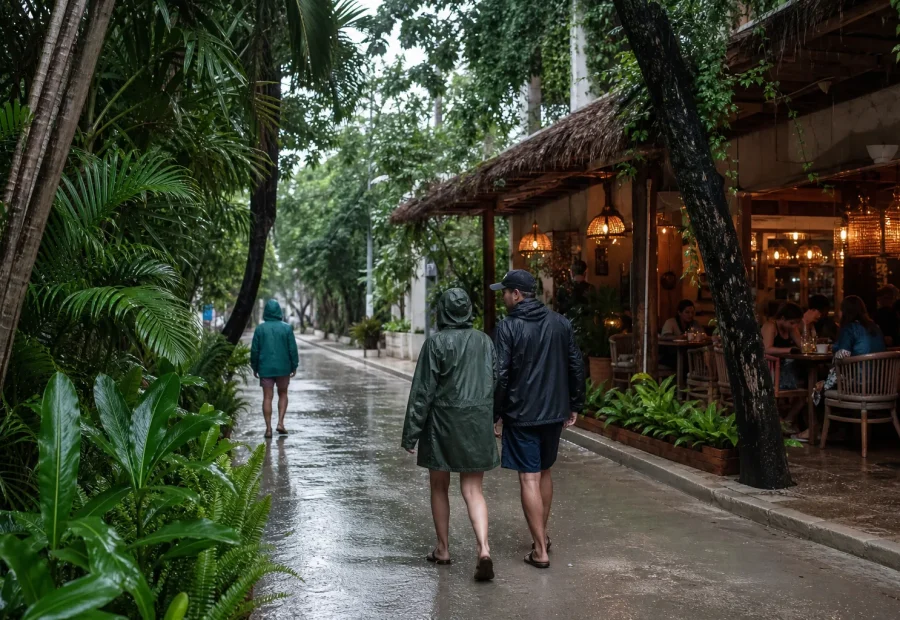
Plan a smarter shopping day in Tulum with a practical comparison of Tulum Pueblo, the beach and hotel zone, and Aldea Zama, plus advice on prices, craft origins, payment security, accessibility, and opening times.
Shopping in Tulum works best when you choose an area that matches your budget and taste. Tulum Pueblo generally suits travelers looking for comparatively affordable crafts and market-style browsing. The beach and hotel zone leans toward designer boutiques and higher prices, while Aldea Zama is associated with concept stores and eco-fashion. These are planning patterns rather than guarantees, so confirm individual stores and current inventory before setting out.
- Start in Tulum Pueblo if price comparison and market-style shopping matter most.
- Choose the beach and hotel zone when designer boutiques are the priority.
- Add Aldea Zama if you want to browse concept stores and eco-fashion.
- Ask who made a craft, where it came from, and which materials were used.
- Confirm the total in Mexican pesos before paying and inspect card terminals carefully.
There is no dependable universal budget for Tulum souvenirs, clothing, or crafts. Prices change by district, seller, material, and item. A more useful strategy is to compare similar pieces in at least two places, ask for the complete peso price, and decide what craftsmanship or provenance is worth to you. A Tulum on a budget travel guide can help place shopping within a wider trip budget.

Private Guided Cenotes and Underground River Exploration
Explore an underground river system and 2 cenotes at the same location. All the photos listed here you will see in person. You will be swimming throug...

All-Inclusive! Tulum Ruins, Tequila Tasting + Swim in 3 Cenotes in Small Group!
At Authentic Tours Tulum we believe in giving back to our community by utilizing locations, restaurants, and employe...

Tulum Ruins Guided Tour from Cancun and Riviera Maya
- Experience the ancient city of Tulum with our knowledgeable guides. - Enjoy our small group format and attention t...

Chichen Itza, Cenote, and Valladolid Tour
Explore Chichen Itza, an impressive Mayan archaeological complex. Visit a sacred sinkhole and enjoy a buffet meal...
Do not build a shopping plan around assumed business hours or an unverified transport quote. Municipal rules provide broad operating windows, but each store may keep a shorter schedule. Likewise, no current authoritative source in the research confirms shopping-specific taxi fares, parking conditions, transfer schedules, or travel times among the main districts. Contact businesses and transport providers directly when timing matters.
Choose the right Tulum shopping area
Tulum’s retail scene is easier to understand as three separate shopping experiences. Pueblo is the practical choice for price-conscious browsing. The beach corridor places fashion and design near the hotel zone, usually at a premium. Aldea Zama offers another boutique-oriented option, particularly for concept retail and eco-fashion. Because the comparison comes from a local commercial guide, treat it as a starting point and verify specific businesses.
Tulum Pueblo for crafts and price comparison
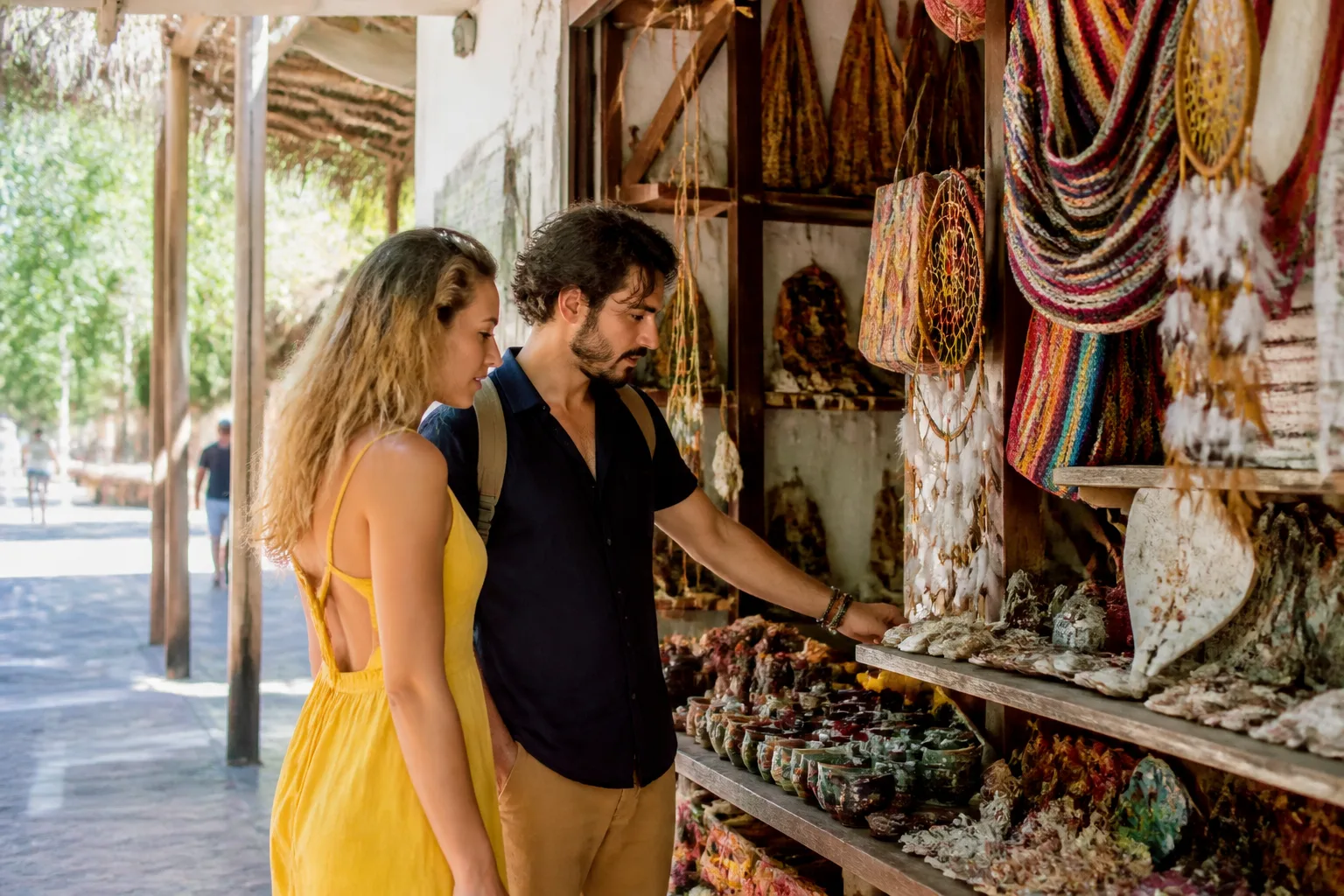
Begin in Tulum Pueblo when you want market-style shopping or room to compare prices. Local guidance characterizes town shopping as comparatively more affordable than the hotel-zone boutique scene. That does not mean every town purchase is inexpensive. Compare workmanship, materials, and the final peso total instead of assuming the first price represents the district as a whole.
A Tulum Pueblo travel guide is useful for understanding the town beyond its shops, especially if you plan to combine browsing with a meal or other errands. Keep the shopping portion flexible. Inventory and business hours can change, and the available research does not establish a definitive list of current stores, markets, or exact locations.
The beach and hotel zone for designer boutiques
The beach and hotel zone along Boca Paila is the stronger match for boutique browsing and designer merchandise. Local guidance also describes this area as more expensive than town. Browse here because the style appeals to you, not because you expect the lowest price. Ask for the complete total in pesos before agreeing to a purchase, particularly when comparing items across districts.
Consult a Tulum Hotel Zone Guide or a Tulum Beach Road Guide when shopping is only one part of a beach-area day. Neither district guidance nor municipal operating limits should replace confirmation with the shop itself. A boutique can close earlier than the maximum window allowed by local rules, change its weekly schedule, or operate by appointment.
Aldea Zama for concept stores and eco-fashion
Aldea Zama provides a third option between central town shopping and the beach corridor. A local guide associates the district with concept stores and eco-fashion. Those labels describe a general retail style, not a certification of materials, environmental performance, or manufacturing practices. Ask individual sellers what a sustainability claim means and request concrete information about the maker, origin, and materials.
An Aldea Zama Tulum Guide can help you understand the district before adding it to your shopping day. Confirm that your chosen stores are still operating and ask about their current hours. The research does not support publishing a fixed route, parking recommendation, taxi fare, or cycling time between Aldea Zama and Tulum’s other shopping areas.
| Area | Best suited to | Price approach | What to verify |
|---|---|---|---|
| Tulum Pueblo | Crafts and market-style browsing | Generally described as comparatively affordable | Seller, origin, materials, hours, and final peso price |
| Beach and hotel zone | Designer and boutique shopping | Generally described as more expensive | Current inventory, hours, and final peso price |
| Aldea Zama | Concept stores and eco-fashion | Compare individually | Meaning of sustainability claims, materials, origin, and hours |

Tulum Ruins, Cenote Cave and Swimming with Turtles From Tulum
A guided tour of the Tulum Mayan ruins, swimming with sea turtles in Akumal and a jungle oasis cenote swim in the Ri...
Private Guided Cenotes and Underground River Exploration
Explore an underground river system and 2 cenotes at the same location. All the photos listed here you will see in p...
All-Inclusive! Tulum Ruins, Tequila Tasting + Swim in 3 Cenotes in Small Group!
At Authentic Tours Tulum we believe in giving back to our community by utilizing locations, restaurants, and employe...
How to shop for Mexican-made crafts
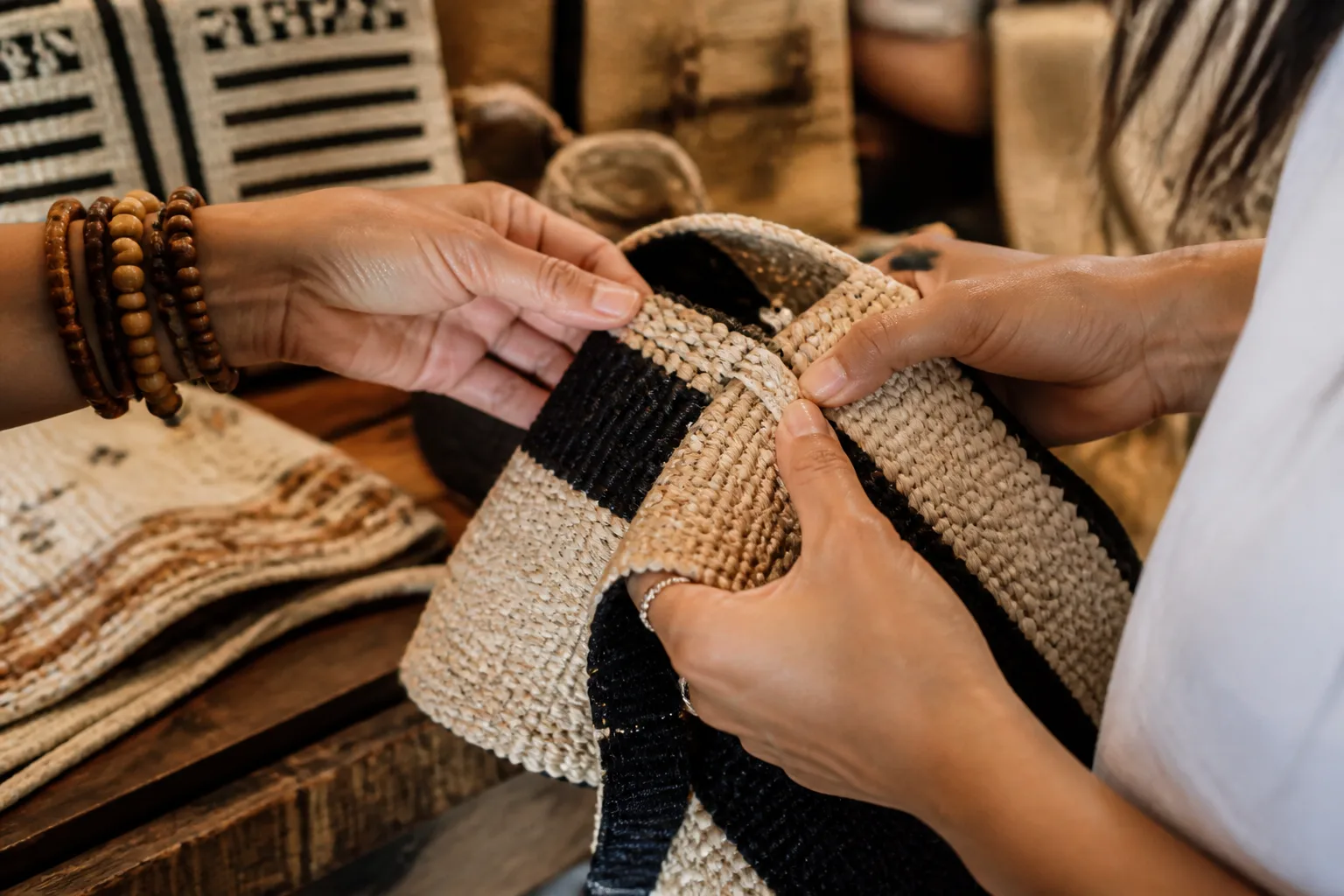
A souvenir display does not prove that every piece was made locally or even in Mexico. One current local guide reports a mix of authentic crafts and industrial goods imported from elsewhere in Tulum’s tourist market. This is an editorial observation rather than an official certification system, but it supports a simple rule: ask questions before attaching a story to an object.
Ask three questions before buying
- Who made this item? Ask whether the seller knows the individual maker, workshop, cooperative, or brand.
- Where was it made? Request a specific town, region, or country rather than accepting a vague description.
- What is it made from? Ask about the primary materials and any special care the item requires.
Listen for specific, consistent answers. A seller who can explain the maker, location, and materials gives you more information for judging the purchase. If an answer remains vague, decide whether you still like the item at the quoted price. The questions improve transparency, but they do not independently authenticate a product or guarantee ethical production.
Separate design language from verified claims
Terms such as handmade, local, natural, artisanal, and sustainable can carry different meanings from one shop to another. Ask what each claim refers to. It might concern the design, assembly, raw material, packaging, or the maker’s location. If provenance is central to your decision, request details before paying rather than relying on the atmosphere of the display.
Compare construction as well as appearance. Look at seams, joins, finishes, closures, and repeated patterns. Ask how delicate materials should be packed and maintained. These checks are practical buying habits, not proof of cultural origin. If you cannot verify a claim, value the object according to what you can see and confirm.
Prices, pesos, and a sensible shopping budget
No authoritative current price list covers Tulum’s crafts, clothing, and souvenirs, so a universal daily shopping budget would be misleading. The evidence supports only a broad comparison: Pueblo tends to be positioned as the more affordable shopping area, while hotel-zone boutiques tend to cost more. Individual prices can still overlap, and quality may differ substantially.
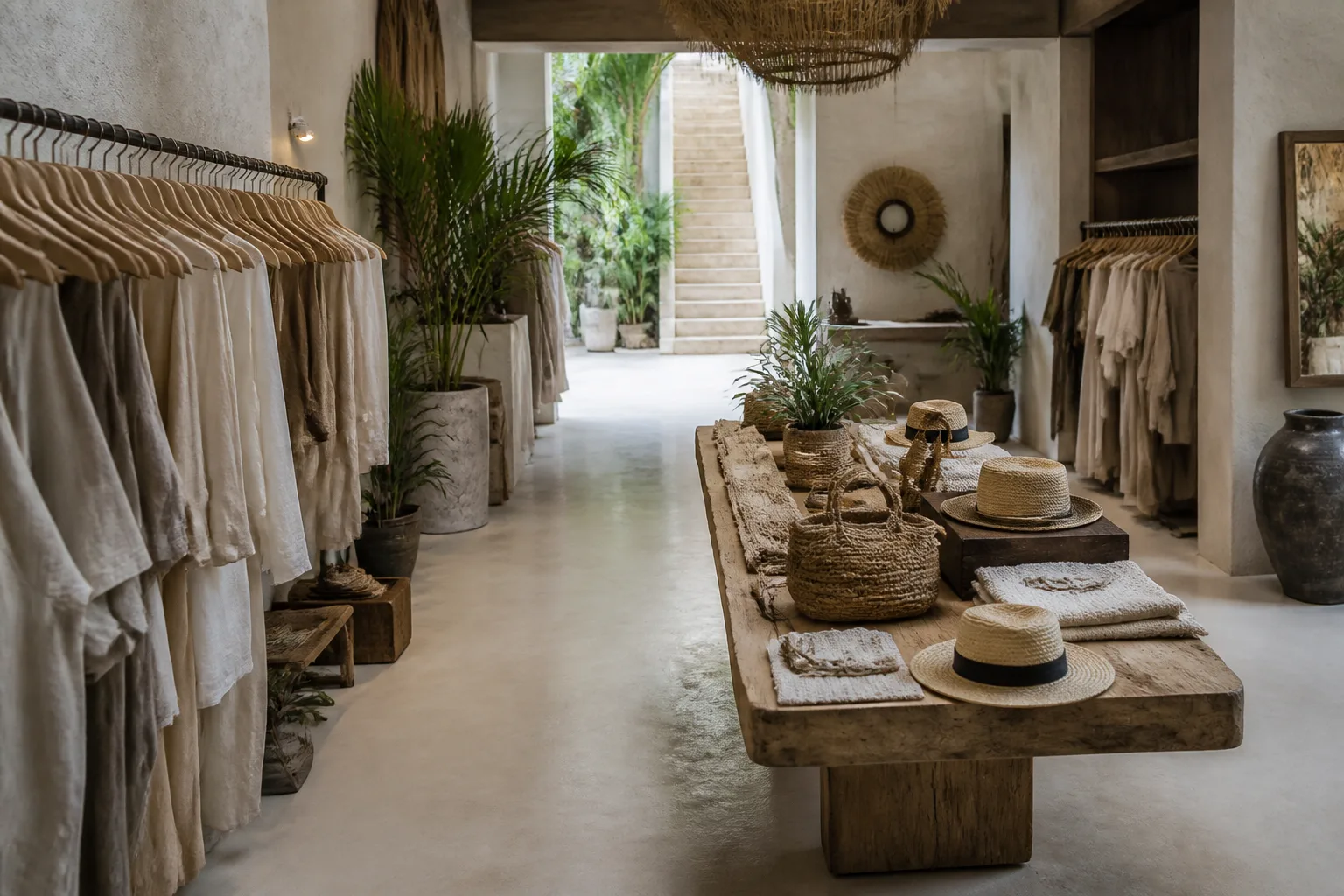
Use a two-stop comparison method
- Browse one area without making an immediate purchase.
- Record the item type, material, stated origin, and total price in Mexican pesos.
- Compare a similar item at a second seller or in another district.
- Review craftsmanship and provenance alongside the price.
- Buy only after confirming the full amount and your preferred payment method.
This method is most useful for discretionary purchases that are easy to compare. A unique piece may not have an exact counterpart elsewhere, so set your own ceiling before shopping. Leave room in the budget for an item that offers credible maker information or noticeably better workmanship, but do not assume a higher price proves either quality or authenticity.
Confirm the complete peso amount
Ask for the complete total in Mexican pesos before handing over cash or presenting a card. If several items are involved, request an itemized breakdown and check the arithmetic. This avoids relying on an unsupported dollar conversion or an unclear verbal quote. The research does not establish typical prices, exchange practices, or a standard bargaining rule for Tulum retailers.
Still comparing Tulum Airport Transfer?
Ask for tour ideas, hotel suggestions, or a simple trip plan that combines both.
Trip Helper
Paying by card or cash with care
The U.S. State Department advises travelers in Mexico to be alert for card skimming, particularly in tourist areas. That warning supports careful payment habits, but it does not show that a particular Tulum shop is unsafe. Keep the card in view, inspect the terminal for anything unusual, check the amount displayed, and retain or review the receipt.
- Use a bank ATM when you need cash rather than choosing an unfamiliar standalone machine.
- Examine the card slot and keypad before inserting a card.
- Confirm the currency and total shown on the payment terminal.
- Do not allow a completed transaction to be run again without an explanation.
- Check account activity and report an unfamiliar charge promptly through your card provider.
Carry only the payment methods you expect to use during the outing. Keep backup funds and a second card separate rather than placing everything in one wallet. These are general precautions, not evidence of a problem at any named merchant. Tulum travel tips for first timers can help you fit payment planning into a broader arrival and daily-safety routine.
When shops and street vendors may operate
Tulum’s municipal rules state that ordinary commercial and service establishments may operate daily between 06:00 and 22:00. Authorized municipal-market activity may begin at 05:00 and continue as late as 21:00. These are permitted operating windows, not advertised schedules. A store or market may open later, close earlier, take a break, or remain closed on a particular day.
Separate rules apply to permitted street commerce. Semi-fixed vendors may operate from 06:00 to 15:00 and again from 17:00 to 24:00. Itinerant vendors may operate from 08:00 to 19:00 Monday through Saturday and from 09:00 to 20:00 on Sunday. Authorities may change these hours for public-order or public-interest reasons, so the limits are not a dependable vendor schedule.
| Type of commerce | Regulatory window | Planning meaning |
|---|---|---|
| Ordinary commercial or service establishment | 06:00–22:00 daily | Maximum permitted window, not confirmed store hours |
| Authorized municipal-market activity | 05:00–21:00 | Possible authorized range, not a guaranteed market schedule |
| Semi-fixed street vendor | 06:00–15:00 and 17:00–24:00 | Regulatory limit that may be changed by authorities |
| Itinerant street vendor | 08:00–19:00 Monday–Saturday; 09:00–20:00 Sunday | Regulatory limit, not a promise that vendors will be present |
Confirm opening times on the same day if a specific shop is important. This matters even more when crossing between Pueblo, Aldea Zama, and the hotel zone, because the research does not provide verified shopping-specific travel times. A quick confirmation can prevent an unnecessary journey to a business operating on a shorter schedule.
Getting between the shopping districts
Plan the three districts as separate stops rather than assuming they form one continuous shopping strip. The research did not locate an authoritative current source for shopping-specific routes, taxi fares, shuttle schedules, parking availability, cycling times, or accessible transport among Tulum Pueblo, Aldea Zama, and the hotel zone. Obtain a current quote and estimated travel time before committing to your next stop.
Build a route around priorities, not store count
Choose one primary district and one optional district. Start in Pueblo for price comparison, begin in the hotel zone for designer boutiques, or focus on Aldea Zama for concept retail and eco-fashion. Add another area only after checking its stores and transport. This keeps the day useful even when inventory, opening times, or road conditions differ from what you expected.
If your schedule is tight, a One Day in Tulum Itinerary can help you decide how much time shopping deserves alongside other plans. Avoid fixing a minute-by-minute route based on unsupported travel estimates. Ask your accommodation or a current transport operator for options, pickup details, total price, and payment terms before departure.
Tulum Ruins Guided Tour from Cancun and Riviera Maya
- Experience the ancient city of Tulum with our knowledgeable guides. - Enjoy our small group format and attention t...
Tulum Ruins, Cenote Cave and Swimming with Turtles From Tulum
A guided tour of the Tulum Mayan ruins, swimming with sea turtles in Akumal and a jungle oasis cenote swim in the Ri...
Private Guided Cenotes and Underground River Exploration
Explore an underground river system and 2 cenotes at the same location. All the photos listed here you will see in p...
Accessibility questions to ask in advance
No official current source found for this guide documents step-free shopping routes, wheelchair-friendly entrances, accessible toilets, tactile wayfinding, or dependable accessible transport in Tulum’s retail districts. Do not assume that an entire neighborhood or market is accessible. Conditions can vary by building and vendor, so confirmation must come from each venue and transport provider.
- Is the entrance step-free, and how wide is the narrowest doorway?
- Are all shopping areas on one level, or is an elevator available?
- Is there an accessible toilet for customers nearby?
- Can staff provide a chair or assistance handling merchandise?
- Is there a suitable drop-off point, and can a mobility device be accommodated?
Ask for recent photographs or precise measurements when a simple yes-or-no answer is not enough. Open-air retail settings and beach-zone layouts may present barriers, but the available evidence does not verify conditions at individual locations. Travelers with essential access needs should secure direct confirmation before making a special trip.
A practical half-day shopping plan
- Choose Pueblo, the hotel zone, or Aldea Zama as your main district based on price and style.
- Confirm that two or three shops are currently operating and ask when they close.
- Set a peso spending limit and decide which purchases require provenance information.
- Browse before buying, noting materials, stated origin, workmanship, and complete price.
- Add a second district only after confirming transport cost, travel time, and store hours.
- Review receipts and card activity after returning to your accommodation.
The strongest shopping day is selective rather than rushed. Pick the district that best fits your goals, compare a few meaningful items, and ask direct questions about origin and materials. Confirm operating hours and transportation before changing neighborhoods. That approach leaves room for discovery without turning an appealing purchase into a logistical puzzle.
Current travel guidance
The U.S. Department of State’s Mexico advisory issued May 29, 2026 includes Quintana Roo, including Tulum, within its guidance. Advisory language and local conditions can change, so review the live advisory shortly before travel rather than relying on a fixed risk level quoted in an older shopping article. Follow any instructions relevant to your itinerary and personal circumstances.
Frequently asked questions
What is the best area for shopping in Tulum?
It depends on your priorities. Tulum Pueblo is generally associated with comparatively affordable crafts and market-style shopping. The beach and hotel zone is known for designer boutiques and higher prices. Aldea Zama is associated with concept stores and eco-fashion. Verify individual shops and inventory before visiting.
Is shopping cheaper in Tulum Pueblo or the hotel zone?
Available local guidance describes Tulum Pueblo as comparatively more affordable and hotel-zone boutiques as more expensive. This is a broad planning comparison, not a universal price rule. Compare similar items and confirm the complete price in Mexican pesos.
How can I tell if a souvenir was made in Mexico?
Ask who made it, where it was made, and which materials were used. Specific answers can help you evaluate the claim, although they are not an official certification. Do not assume that every souvenir sold in Tulum was produced locally or in Mexico.
What time do shops open in Tulum?
Municipal rules allow ordinary commercial and service establishments to operate from 06:00 to 22:00 daily, but this is a permitted window rather than a guaranteed schedule. Individual businesses may keep shorter hours. Confirm directly before making a special trip.
Is it safe to use a card while shopping in Tulum?
The U.S. State Department advises travelers to watch for card skimming in Mexican tourist areas. Use a bank ATM when possible, inspect terminals, confirm the displayed amount, keep the card in view, and review account activity. The warning does not imply that a specific Tulum merchant is unsafe.
Are Tulum’s shopping areas wheelchair accessible?
The available research did not identify official current documentation for step-free routes, accessible toilets, wheelchair-friendly entrances, or reliable accessible transport across Tulum’s shopping districts. Contact each shop and transport provider for specific measurements and current access details.
Tulum Ruins, Cenote Cave and Swimming with Turtles From Tulum
A guided tour of the Tulum Mayan ruins, swimming with sea turtles in Akumal and a jungle oasis cenote swim in the Riviera Maya plus round-trip transpo...
All-Inclusive! Tulum Ruins, Tequila Tasting + Swim in 3 Cenotes in Small Group!
At Authentic Tours Tulum we believe in giving back to our community by utilizing locations, restaurants, and employe...
Tulum Ruins Guided Tour from Cancun and Riviera Maya
- Experience the ancient city of Tulum with our knowledgeable guides. - Enjoy our small group format and attention t...
Private Guided Cenotes and Underground River Exploration
Explore an underground river system and 2 cenotes at the same location. All the photos listed here you will see in p...