Compare the best day trips from Tulum, including Cobá, Chichén Itzá, coastal nature excursions, and weather-proof alternatives. Use practical guidance on costs, accessibility, seasonal conditions, and booking.
Tulum makes a practical base for exploring Maya archaeological sites, inland landscapes, and the Caribbean coast. The best day trip depends less on collecting famous names and more on how much time you want to spend in transit, how firmly you can commit to outdoor plans, and what kind of experience will feel worthwhile at the end of a hot day.
Cobá is the strongest all-around choice for a comparatively short archaeology outing. Chichén Itzá rewards travelers willing to organize an entire day around one major site. Coastal and water-based trips can be memorable, but summer weather, sea conditions, and sargassum make them more dependent on same-day checks.

Chichen Itza, Cenote and Valladolid Small Group Day Trip
Recently selected as one of the New World Wonders, Chichen Itza is without a doubt one of the most spectacular and important archeological sites of th...

Sian Ka'an Adventure Full Day Trip to Punta Allen
Sian Ka'an is one of the largest protected areas in Mexico with a great natural diversity. The best way to discove...

Tulum Ruins, Turtles in Akumal and Cenote tour
On this tour, you’ll explore the top attractions of the Riviera Maya. Begin with a visit to the ancient ruins of T...

Tulum Guided Tour, Magical Cenote, Lagoon Snorkeling and Beachside Lunch
Get ready to enjoy a day full of history, culture and adventure. Walk through the ruins of Tulum - one of the last c...
- Choose Cobá for a shorter inland archaeology day with fewer hours devoted to transportation.
- Choose Chichén Itzá if the landmark is a priority and you can give the excursion a full day.
- Treat snorkeling, boating, and coastal nature trips as condition-dependent, especially during summer.
- Keep an inland, non-boat alternative ready in case marine conditions or operators change plans.
- Confirm current admission, accessibility, meeting points, cancellation terms, and closing times before departure.
A good decision starts with one question: what would disappoint you most? If it is missing a major Maya site, prioritize archaeology. If it is losing a sunny day to hours on the road, stay closer to Tulum. If it is paying for a boat that cannot operate, book flexible terms and protect the day with a backup plan.
The best Tulum day trips at a glance
| Day-trip style | Best for | Main tradeoff | Planning priority |
|---|---|---|---|
| Cobá | A shorter archaeology-focused outing | Current site conditions and transport still require confirmation | Start early and verify admission details |
| Chichén Itzá | A landmark archaeological day | A longer, schedule-led excursion with higher known entrance charges | Plan around the earlier official cutoff |
| Coastal or nature excursion | Travelers prioritizing water and coastal scenery | Weather, sea state, and sargassum can affect the experience | Check same-day conditions and cancellation terms |
| Inland non-boat alternative | A flexible backup day | Individual attraction details vary | Confirm admission and transport before leaving |
Travelers with only one free day will usually find Cobá easier to fit into a relaxed itinerary. Those who have dreamed of seeing Chichén Itzá may accept the extra planning and cost. A water excursion makes more sense when forecasts and operator updates are favorable, while an inland plan offers useful protection against a disrupted marine schedule.
This comparison deliberately avoids exact driving times, public transportation frequencies, ferry schedules, and tour prices. Those details were not established by the available current evidence and can change. Ask for the expected door-to-door duration, every planned stop, and the latest return time before committing to a transport or tour option.
Cobá: the best shorter archaeology trip
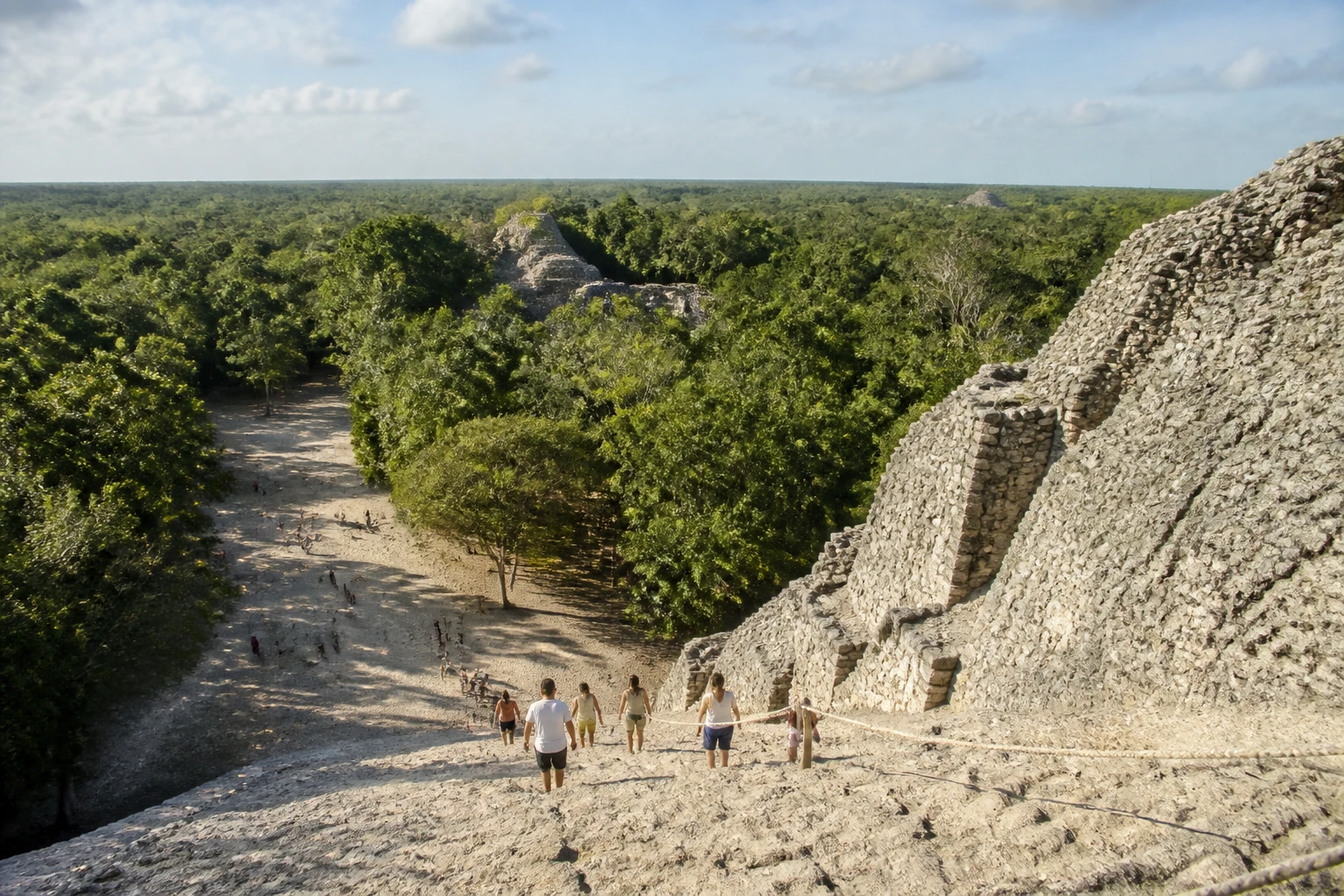
Cobá is the leading choice for travelers who want substantial archaeology without turning the excursion into a cross-state marathon. INAH places the archaeological zone in the Municipality of Tulum on the Cobá–Chanchén Primero highway. Its inland setting also gives the day a different rhythm from Tulum’s beach corridor.
The site is listed as open daily from 8:00 a.m. to 5:00 p.m., with last entry at 4:00 p.m. The displayed admission for foreign visitors is MX$210. These details are volatile, so verify them on the official visitor information before departure rather than building the day around an old screenshot or saved itinerary.
Who should choose Cobá
Cobá offers the strongest tradeoff for families, travelers who prefer less transport, and visitors trying to balance archaeology with an unhurried evening back in Tulum. It may also be the more manageable ruins choice for mobility-conscious travelers, although accessibility services should never be interpreted as proof that every structure or path is fully accessible.
An early start is sensible. It reduces exposure to the strongest part of the day’s heat and leaves more time for the archaeological paths. The dedicated Cobá ruins day trip from Tulum guide can help with destination-specific planning, but current transportation, admission, and site policies should still be reconfirmed close to travel.

Tulum Ruins, Cenote Cave and Swimming with Turtles From Tulum
A guided tour of the Tulum Mayan ruins, swimming with sea turtles in Akumal and a jungle oasis cenote swim in the Ri...
Sian Ka'an Adventure Full Day Trip to Punta Allen
Sian Ka'an is one of the largest protected areas in Mexico with a great natural diversity. The best way to discove...
Tulum Ruins, Turtles in Akumal and Cenote tour
On this tour, you’ll explore the top attractions of the Riviera Maya. Begin with a visit to the ancient ruins of T...
How to plan the day
- Confirm current opening information and admission before leaving Tulum.
- Ask your driver or operator exactly where pickup occurs and what happens if you are late.
- Carry water, sun protection, insect repellent, and footwear suited to outdoor paths.
- Leave extra time rather than aiming for the final admission window.
- Confirm whether meals, guides, parking, and optional stops are included or charged separately.
INAH lists toilets and accessibility facilities at Cobá. However, the reviewed information does not describe the surfaces across the full visitor route or confirm that all major structures are reachable. Anyone who needs a step-free route, wheelchair-compatible vehicle, or assistance over uneven ground should contact the site or operator before booking.
Chichén Itzá: the landmark full-day expedition
Chichén Itzá is the marquee archaeological choice, but it should be treated as the central event of the day. This is not a casual extra to squeeze between breakfast and a beach reservation. Organize transportation, admission, food, and the return to Tulum before leaving, then keep the schedule comfortably ahead of the site’s final access window.
Official INAH pages currently conflict on operating hours. The national visitor page lists 8:00 a.m. to 4:00 p.m., with last entry at 3:00 p.m. A Centro INAH Yucatán page lists 8:00 a.m. to 5:00 p.m., with last entry at 4:00 p.m. Recheck the live official information immediately before travel and plan around the earlier cutoff.
Understanding the displayed entrance charges
The national INAH page displays MX$105 for federal admission and says an additional Yucatán state charge applies. It also lists an additional MX$548 CULTUR or parador charge for foreign visitors. That produces a currently displayed combined amount of MX$653 for foreign visitors before transportation, guiding, food, or optional services.
Treat that figure as an itemized reference, not a guaranteed all-in budget. Parking, meals, guides, insurance, rentals, and additional tour stops were not established by the reviewed evidence. A good booking summary should separate required entrance charges from the operator’s transport and service costs.
| Displayed Chichén Itzá item | Amount for foreign visitors | Included in a tour price? |
|---|---|---|
| Federal admission | MX$105 | Confirm with the operator |
| Listed CULTUR or parador charge | MX$548 | Confirm with the operator |
| Currently displayed combined amount | MX$653 | Do not assume |
| Transport, guide, meals, and optional services | Variable | Request an itemized quote |
The Chichén Itzá day trip from Tulum guide is the most relevant next step for travelers committed to this journey. Use it to shape the day, then reconfirm live hours, ticket terms, pickup details, and included services. A schedule-led approach protects the visit from becoming a costly race against last entry.
Accessibility at Chichén Itzá
INAH identifies accessibility among the site services. Centro INAH Yucatán describes wheelchair access, ramps, and special access around the principal temple area, but it also warns that portions of the route are rocky and recommends large outdoor wheels. The precise language matters because accessible facilities do not make every path smooth or step-free.
Before booking, ask whether the vehicle can carry the required mobility equipment and whether the operator provides assistance. Travelers who need detailed route information should contact the site or tour provider directly. Build in rest time and avoid itineraries packed with multiple optional stops if fatigue or heat is a concern.
Still comparing Tulum Day Trips?
Ask for tour ideas, hotel suggestions, or a simple trip plan that combines both.
Trip Helper
Coastal and water-based trips: choose by conditions
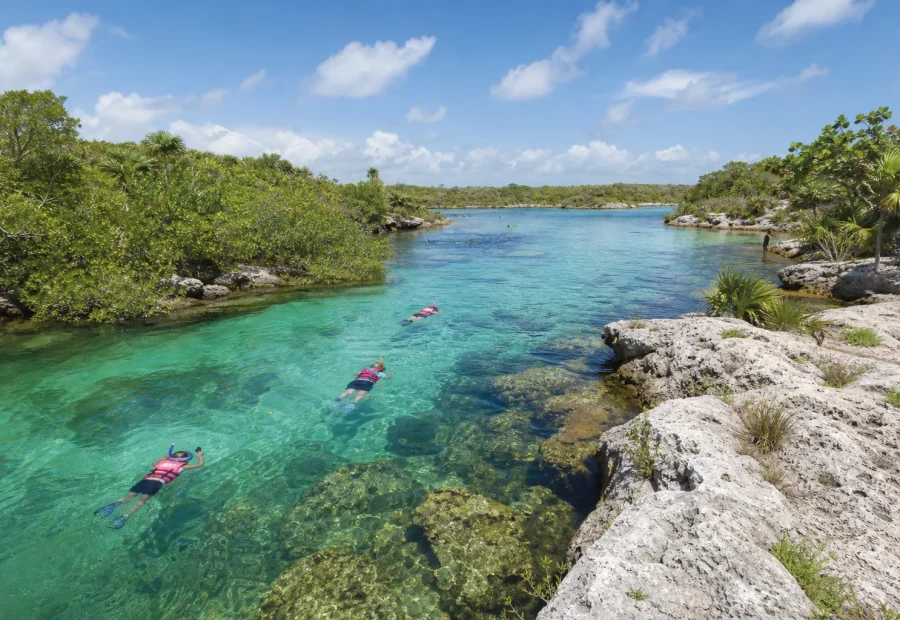
A coastal nature, snorkeling, or boat excursion can provide a striking change from inland ruins. It is also the category most exposed to last-minute uncertainty. Weather, sea state, sargassum, and operator decisions can alter the route, visibility, beach conditions, or the ability to depart at all.
Tulum’s municipal tourism information says sargassum is more likely between April and August, although that does not mean every beach is affected. It advises visitors to avoid prolonged direct contact. Quintana Roo also reported that arrivals began early in 2026 and that intensified beach work was scheduled to begin in March.
These seasonal notices do not establish conditions at a particular beach today. Check with the operator on the morning of departure and ask what happens if the planned shoreline is affected. Useful questions include whether the destination changes, whether the activity proceeds in reduced conditions, and whether cancellation or rescheduling is available.
Nature excursions worth researching
For reserve-focused planning, consult the Sian Ka'an Biosphere Reserve guide from Tulum or the more specific Punta Allen day trip from Tulum. Current entry procedures, road conditions, boat arrangements, and fees were not established by this research, so verify every operational detail before setting out.
Travelers comparing marine wildlife activities can also review the Akumal turtle snorkeling day trip from Tulum and the guide to Tulum snorkeling tours. Do not assume that a published itinerary guarantees favorable water conditions. Ask about group size, equipment, swim requirements, marine cancellations, and the exact meeting point before paying.
A Xel-Ha Park from Tulum guide can help travelers investigate another water-oriented day. Admission, transportation, schedules, accessibility, and inclusions should be checked directly because the available evidence does not establish those current details. The same caution applies to any package promoted as all-inclusive.
Cenotes and inland alternatives for a flexible day
An inland, non-boat outing is the most practical fallback when coastal conditions deteriorate. It keeps the day active without depending on a marine departure. Cenote admission, transport arrangements, water conditions, and current operating policies were not established in the reviewed evidence, so select a destination only after checking its live visitor information.
The best cenotes near Tulum guide offers a useful starting point for comparing inland swim choices. Destination-specific planning is also available for Cenote Dos Ojos, Cenote Escondido, and Casa Cenote. Confirm life-jacket rules, changing facilities, swimming requirements, access surfaces, and payment arrangements directly with the venue or operator.
Keep the backup plan genuinely flexible. Do not prepay two conflicting excursions unless the cancellation terms make that strategy sensible. Instead, shortlist one inland destination, identify how you would reach it, and save the current contact details. If a boat operator cancels, you can switch plans without researching the entire region in a hotel lobby.
Longer-distance alternatives require extra scrutiny
Some destinations marketed as Tulum day trips demand a larger transport commitment. Before choosing one, compare the time at the destination with the total time spent moving. A low headline price can feel less appealing once early pickup, collection stops, optional detours, and a late return are added.

Travelers considering a Bacalar day trip from Tulum should use the dedicated destination guide and confirm current journey logistics before booking. Exact travel times and tour pricing were not established here. Ask how many hours are actually spent at the destination and whether weather-related substitutions change the experience you are buying.
Rail may appear in transport comparisons, but current schedules and station connections require live verification. The Tulum Maya Train travel guide can help frame those questions. Confirm the full chain between your accommodation, departure point, destination, and return rather than evaluating only the time shown for one segment.
Tulum Ruins, Cenote Cave and Swimming with Turtles From Tulum
A guided tour of the Tulum Mayan ruins, swimming with sea turtles in Akumal and a jungle oasis cenote swim in the Ri...
Chichen Itza, Cenote and Valladolid Small Group Day Trip
Recently selected as one of the New World Wonders, Chichen Itza is without a doubt one of the most spectacular and i...
How to choose between a tour, driver, and independent trip
A guided tour can simplify admission and transportation, but only if its inclusions are clear. A private driver can offer more control over departure and return times. Independent travel may suit visitors comfortable coordinating each segment. No option is automatically cheapest or fastest, so compare the complete day rather than the advertised starting price.
Questions to ask before booking
- Where is the exact pickup or meeting point, and how early should guests arrive?
- Which entrance charges, conservation fees, meals, guides, and equipment are included?
- What is the expected return window, including collection stops and optional detours?
- What happens if weather, sea state, road conditions, or site access changes?
- Can the vehicle carry wheelchairs, large outdoor wheels, or other mobility equipment?
- Is the booking refundable, reschedulable, or transferable under the stated conditions?
Avoid relying on phrases such as “all fees included” without an itemized explanation. At Chichén Itzá, for example, the displayed federal and CULTUR or parador charges are separate components. Cobá also has an official admission charge, while transportation and other services remain separate unless a provider explicitly includes them.
The broader Tulum tours guide can help compare organized options by trip style. Still, the operator should remain the source for live pickup instructions, cancellation policies, vehicle details, and the final list of inclusions. Save the booking confirmation somewhere available without a mobile connection.
Weather, packing, and day-trip preparation
Mexico’s federal travel guidance places the North Atlantic hurricane season between June and November. Quintana Roo’s April 2026 communication cited an official outlook of 11 to 15 Atlantic systems while stressing that not every system would affect the state. An outlook is a planning signal, not evidence that a storm is currently active.
Recheck weather, marine conditions, road conditions, and operator messages close to departure. Avoid making a nonrefundable boat excursion the only acceptable plan for the day. If a system is being monitored, follow official guidance and prioritize safety over preserving an itinerary.
A practical day-trip packing list
- Refillable water bottle and sun protection
- Light rain layer and a dry bag for electronics
- Comfortable footwear appropriate for the planned surfaces
- Insect repellent and any personal medication
- Swimwear, towel, and a change of clothes for water activities
- Booking details, identification, and a charged phone or power bank
Pack for the actual itinerary rather than the brochure image. Archaeological paths, rocky sections, rain, heat, and wet equipment create different needs. Keep luggage compact enough to remain with you if storage is limited, and ask in advance whether larger mobility devices, strollers, or bags fit in the vehicle.
A simple decision guide
- Pick Cobá if you want archaeology with a comparatively shorter inland outing.
- Pick Chichén Itzá if seeing the major site outweighs the longer day and higher known entrance cost.
- Pick a coastal or water trip only after checking same-day conditions and cancellation terms.
- Pick an inland cenote-style plan when you need flexibility without relying on a boat.
- Reconsider distant options when transportation consumes too much of the day.
Cobá is the most balanced choice for many visitors because it preserves more of the day while delivering a focused archaeological experience. Chichén Itzá is the stronger choice when its cultural importance makes the effort worthwhile. Coastal trips win on the right day, but they demand the most flexibility when weather and sargassum are in play.
Whichever excursion you choose, confirm live details before leaving Tulum. Official hours, admissions, routes, marine conditions, and operator policies can change. A carefully chosen trip with spare time and a workable backup usually produces a better day than an ambitious schedule balanced on a final entry window.
Frequently asked questions
What is the best day trip from Tulum for most visitors?
Cobá is the strongest all-around option for travelers seeking archaeology without committing to a long cross-state excursion. It is especially practical for families, mobility-conscious travelers, and visitors who want to preserve more of the day. Confirm current admission, access details, and transportation before leaving.
Is Chichén Itzá worth visiting as a day trip from Tulum?
Yes, if Chichén Itzá is a major priority and you are comfortable organizing the entire day around it. It requires more time and a higher known entrance budget than Cobá. Official INAH pages currently conflict on closing and last-entry times, so plan around the earlier cutoff and reconfirm immediately before travel.
How much does it cost to visit Cobá?
INAH currently displays foreign-visitor admission of MX$210. Transportation, guides, meals, parking, rentals, and optional services are separate unless a provider clearly says they are included. Verify the live official amount before departure.
How much does admission to Chichén Itzá cost?
The reviewed INAH information displays MX$105 federal admission plus a listed MX$548 CULTUR or parador charge for foreign visitors, producing a displayed combined amount of MX$653. Transportation, guides, meals, and optional services are additional unless included by an operator. Reconfirm current charges before visiting.
Are Cobá and Chichén Itzá wheelchair accessible?
INAH lists accessibility facilities at Cobá, but the available evidence does not describe every route surface or confirm access to all major structures. Chichén Itzá has wheelchair access, ramps, and special access around the principal temple area, although parts of the route are rocky. Contact the site or operator for detailed route and vehicle information.
Are coastal day trips from Tulum a good choice in July?
They can be, but July requires flexibility. Sargassum is more likely between April and August, and the Atlantic hurricane season runs from June through November. Neither fact proves that a particular beach or trip is affected on a given day. Check live beach, marine, weather, and operator conditions before departure.
What should I do if a Tulum boat trip is canceled?
Keep an inland, non-boat alternative ready. A cenote-style outing or archaeology day avoids dependence on a marine departure, although admission and transportation still require confirmation. Choose flexible booking terms and avoid making one nonrefundable water excursion the only acceptable plan.
Tulum Ruins, Turtles in Akumal and Cenote tour
On this tour, you’ll explore the top attractions of the Riviera Maya. Begin with a visit to the ancient ruins of Tulum, followed by snorkeling along...

Adrenaline ATV Cenote and Zip Lines Experience at Tulum
What makes our tour special is the combination of adventure, nature, and culture all in one experience. Guests can e...
Sian Ka'an Adventure Full Day Trip to Punta Allen
Sian Ka'an is one of the largest protected areas in Mexico with a great natural diversity. The best way to discove...
Chichen Itza, Cenote and Valladolid Small Group Day Trip
Recently selected as one of the New World Wonders, Chichen Itza is without a doubt one of the most spectacular and i...